Sunscreens have shifted from thick, chalky formulas to lightweight, silky textures that feel almost like a second skin. Brands now focus on creating formulas that spread easily, absorb quickly, and provide a revitalizing experience, making application a pleasure rather than a chore. Innovative packaging also plays a role, offering sleek designs for easier reapplication. If you’re curious how this transformation happened and what’s next, keep exploring this exciting, beauty-driven evolution.

Get everyday essentials delivered free with Prime
- Fast, free delivery on millions of items
- Prime Video, Amazon Music and more included
- Member-only deals all year
Key Takeaways
- Advancements in formulations shifted from thick, chalky textures to lightweight, serum-like consistencies for a pleasurable application experience.
- Emphasis on sensory appeal led to products that glide smoothly, improving spreadability and user satisfaction.
- Packaging innovations, such as pump bottles and soft-touch finishes, enhanced ease of use and reapplication.
- Industry trends prioritize aesthetic and tactile experiences, integrating style and function into sunscreen products.
- Future focus on blending protection with pleasurable textures elevates sunscreen to a key beauty and self-care item.
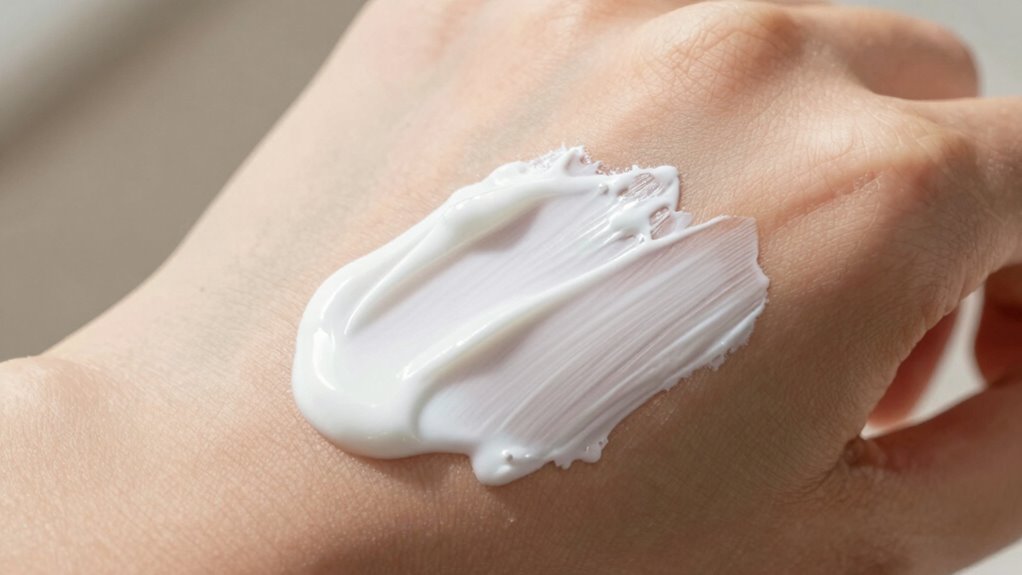
Sunscreen has traditionally been viewed as a basic skincare necessity, but today it’s evolving into a vibrant, texture-driven beauty category. This shift is driven by a desire for products that seamlessly blend into your daily routine, offering both protection and a pleasurable application experience. Gone are the days of thick, chalky formulas that feel heavy or greasy on your skin. Instead, brands are innovating with chemical formulations that deliver lightweight, fast-absorbing textures, making sunscreens feel almost like a second skin. These advanced formulations use fine-tuned molecules that spread easily, leaving no residue or white cast, which encourages you to wear sunscreen consistently without sacrificing comfort or aesthetics.
Sunscreens now feel like a second skin—light, fast-absorbing, and virtually invisible for effortless daily protection.
Chemical formulations are now crafted with skin-friendly ingredients that enhance the sensory experience. For example, silicones and emollients are employed to create silky, smooth textures that glide effortlessly onto your skin. These ingredients also help improve the product’s spreadability, ensuring you get even coverage without tugging or pulling. Some formulations incorporate water-like or serum-like consistencies that feel invigorating and cooling upon application, transforming sunscreen from a chore into a coveted step in your beauty routine. The ongoing innovation in chemical formulations means you’re more likely to find options that suit your skin type—be it oily, dry, or sensitive—without compromising on texture or efficacy. Additionally, the emphasis on texture-driven formulations reflects a broader industry trend towards sensory appeal in skincare. This emphasis on sensory experience aligns with the importance of color accuracy in creating visually appealing products that enhance user satisfaction. Furthermore, these innovations are encouraging brands to consider the aesthetic appeal of packaging, making sunscreen not only effective but also desirable to use regularly. Incorporating innovative textures in product design further elevates the overall user experience, making the act of applying sunscreen a moment of indulgence rather than a chore. Moreover, the development of customizable formulations allows consumers to select products tailored precisely to their preferences, heightening the appeal of these texture-focused innovations.
Packaging innovations complement these advancements, making sunscreen application more enjoyable and accessible. Brands now prioritize sleek, minimalist designs that encourage you to incorporate sunscreen into your daily habits. Pump bottles, airless tubes, and dropper-style containers allow for precise dosing, minimizing waste and mess. Some packaging even features innovative textures—like rubberized grips or soft-touch finishes—that make the product feel luxurious and inviting. Additionally, packaging that protects formulas from air and light preserves their integrity, ensuring you get consistent texture and performance every time. These innovations not only elevate the user experience but also address practicality, making it easier for you to reapply throughout the day without hassle.
All these developments in chemical formulations and packaging innovations point to a future where sunscreen isn’t just about protection but also about pleasure and style. You’re empowered to choose products that feel good on your skin, look appealing, and seamlessly integrate into your beauty regimen. With a focus on texture, sunscreens are transforming into more than just safeguard—they’re becoming an essential, enjoyable part of your daily beauty routine.
Popular right now

Dyson Airwrap i.d. Multi-Styler for Straight and Wavy Hair

Apple AirPods Pro (1st Generation) with MagSafe Charging Case

Dyson V15 Detect Cordless Vacuum
As an affiliate, we earn on qualifying purchases.
Frequently Asked Questions
How Do Different Skin Types React to Textured Sunscreens?
You’ll find that different skin types react uniquely to textured sunscreens. Oily or acne-prone skin might experience breakouts or increased shine if the texture isn’t lightweight or non-comedogenic. Dry skin benefits from moisturizing textures, while sensitive skin needs products with gentle ingredients for better skin compatibility. Overall, choosing a textured sunscreen suited to your skin type guarantees ideal sun protection without irritation, making your skincare routine more effective and enjoyable.
What Ingredients Influence Sunscreen Texture the Most?
You’ll find that ingredients like silicones, emulsifiers, and thickeners greatly influence sunscreen texture. Silicones create smooth, lightweight formulas, while emulsifiers help blend oil and water components for a seamless feel. Thickeners add viscosity, impacting creaminess. However, formulation challenges like maintaining ingredient stability and preventing separation are common. These ingredients work together to deliver the desirable textures you enjoy, ensuring your sunscreen feels comfortable and effective on your skin.
Are Textured Sunscreens Suitable for Sensitive Skin?
Textured sunscreens can be suitable for sensitive skin if you choose formulations labeled as hypoallergenic or designed for sensitive skin. When applying, use gentle techniques to avoid irritation, and consider packaging considerations that prevent contamination and guarantee product stability. Opt for products with soothing ingredients, and apply evenly, focusing on areas prone to sensitivity. Always patch-test new products to confirm they work well with your skin.
How Long Does It Take for Textured Sunscreens to Absorb?
Textured sunscreens usually absorb within 10 to 15 minutes when you apply them using proper techniques. To speed up absorption, spread the product evenly and gently massage it into your skin. Packaging innovations, like airless pumps or squeezable tubes, help maintain product integrity and make application smoother, ensuring better absorption. Keep in mind, patience is key—allow a few minutes before layering other products or makeup for ideal protection.
Do Textured Sunscreens Offer the Same Protection as Traditional Ones?
Yes, textured sunscreens with mineral filters offer the same protection as traditional ones. They provide broad-spectrum coverage, shielding you from UVA and UVB rays effectively. The textured formulas often include zinc oxide or titanium dioxide, which are mineral filters known for their broad-spectrum protection. Make certain to apply enough and reapply regularly, especially if you’re sweating or swimming, to ensure you’re fully protected.
Conclusion
Now, you’re at the forefront of a sunscreen revolution where texture reigns supreme, transforming sun protection into an indulgent beauty ritual. As formulas become more innovative and delightful to use, you’ll discover that sunscreen isn’t just a barrier—it’s a sensory experience that elevates your skincare game to legendary heights. Embrace this texture-driven era and make every application feel like a luxurious treat, because protecting your skin should be as enjoyable as it is essential.