
Service robots are becoming a common part of your daily routine, taking on roles in healthcare, home assistance, and delivery services. They help improve convenience and efficiency, but also raise questions about safety, ethics, and emotional bonds. As robots become more autonomous, it’s crucial to evaluate their responsible use and societal impacts. If you want to understand how these intelligent machines are shaping your world, keep exploring the latest developments.
Key Takeaways
- Service robots are increasingly integrated into daily environments like homes, hospitals, and public spaces to perform tasks and enhance convenience.
- Ethical and safety considerations are vital as robots take on human-interactive roles, raising questions about morality, privacy, and emotional bonds.
- Advances in sensors and AI improve robot reliability and safety, enabling them to operate effectively among unpredictable human behaviors.
- The rise of service robots impacts society by automating jobs, prompting discussions on economic stability and workforce retraining.
- Responsible deployment of service robots requires ongoing ethical guidelines, safety protocols, and societal adaptation to technological changes.
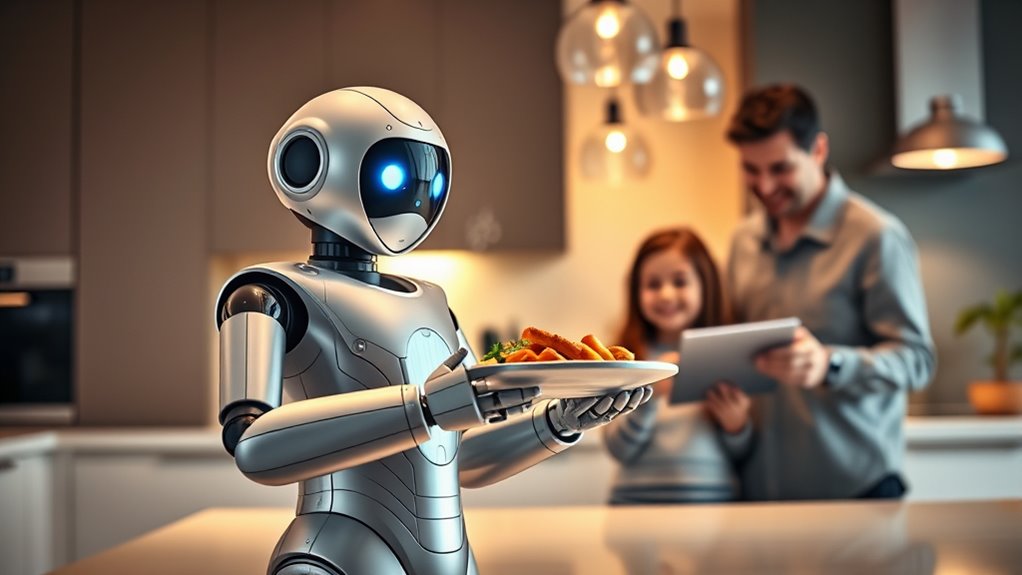
Robotics has become an integral part of our daily routines, transforming the way we work, clean, and even relax. As service robots become more common, you might find yourself interacting with them in various settings—from hospitals to homes. But with these advancements come important considerations about robotic ethics and automation challenges. You need to understand how these issues influence not just technology, but also society and individual lives.
Robots designed for service roles often perform tasks that require interaction with humans, such as assisting in healthcare, delivering items, or providing companionship. While these robots improve efficiency and convenience, they also raise questions about robotic ethics. For example, should robots be programmed to make moral decisions, especially in sensitive situations like healthcare or elder care? As robots become more autonomous, it’s *essential* to establish boundaries and guidelines to prevent misuse or harm. This involves addressing concerns about privacy, consent, and emotional attachment, as many people start to develop bonds with these machines. You might wonder what rights or protections robots should have and how to *guarantee* they’re used responsibly. Additionally, ensuring the reliability of these robots is critical, as safety protocols must be in place to prevent accidents or errors in sensitive environments.
Robots in service roles raise ethical questions about morality, privacy, emotional bonds, and responsible use.
Automation challenges also come into play as service robots become more integrated into everyday life. One challenge is *guaranteeing* these robots can operate safely among humans. They must be reliable enough to avoid accidents or errors, especially in environments like hospitals or homes where mistakes can be costly. Developing sophisticated sensors and AI algorithms is *crucial*, but it’s not a simple task. You might notice that robots sometimes struggle with unpredictable human behaviors or complex environments, which calls for continuous improvements in their design and programming.
Another automation challenge involves job displacement. As robots take on more tasks traditionally performed by humans, some workers may feel threatened or face economic instability. Balancing technological progress with social responsibility becomes *essential*. You should consider how to support workers affected by automation, perhaps through retraining or new opportunities, so that society benefits from these innovations without leaving anyone behind.
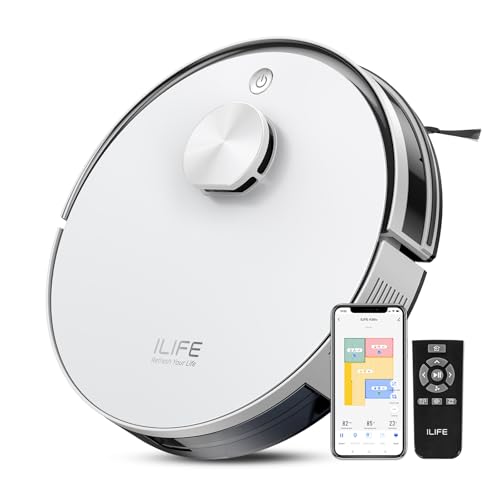
ILIFE A30s Robot Vacuum, 10000Pa Max Suction Robotic Vacuum Cleaner with LiDAR Navigation, Home Mapping, No-Go Zone, 150 Mins, 2.4G WiFi/App/Alexa/Remote Control, for Hard Floor Carpet and Pet Hair
10,000Pa Max Suction Power: The A30s robot vacuum provides up to 10,000Pa strong suction in Spot Mode for…
As an affiliate, we earn on qualifying purchases.
As an affiliate, we earn on qualifying purchases.
Frequently Asked Questions
How Do Service Robots Learn and Adapt to New Environments?
You might wonder how service robots learn and adapt to new environments. They use machine learning algorithms to analyze data from sensors, allowing them to recognize patterns and improve their performance. Sensory adaptation helps them adjust to changes around them, so they can navigate unfamiliar spaces efficiently. By continually updating their models based on new information, these robots become better at handling diverse tasks and environments over time.
What Are the Ethical Considerations of Deploying Service Robots Widely?
When deploying service robots widely, you should consider privacy concerns, as they collect sensitive data that could be misused. Additionally, think about the employment impact, since robots may displace human jobs. You’re responsible for ensuring responsible use, balancing technological benefits with ethical safeguards. Addressing these issues helps maintain public trust and prevents potential misuse or social disruption caused by rapid robot integration.
How Safe Are Service Robots Around Children and Vulnerable Individuals?
You might worry about service robots around children and vulnerable individuals, but they’re generally designed with safety in mind. For example, a robot aide in a care home could accidentally cause harm if not properly programmed, raising privacy concerns and emotional impacts. Ensuring rigorous testing and safety standards can minimize risks, giving you peace of mind that these robots are safe and respectful of personal boundaries around sensitive populations.
What Is the Cost Range for Implementing Service Robot Solutions?
You’ll find that implementing service robot solutions can cost between $10,000 and $50,000, depending on features and complexity. Keep in mind, you’ll also need to budget for ongoing expenses like robot maintenance and software licensing. These costs guarantee your robots stay operational and secure, helping you maximize their benefits. Planning for these expenses from the start helps you achieve a smoother integration into your daily operations.
How Do Service Robots Handle Complex or Unpredictable Tasks?
You’ll find that service robots handle complex or unpredictable tasks through advanced human-robot interaction and autonomous navigation. These robots interpret your commands and adapt to new situations by using sensors and AI algorithms, allowing them to make real-time decisions. Their ability to recognize human cues and navigate diverse environments helps them manage tasks like guiding visitors or delivering items efficiently, even when unexpected challenges arise.

Commercial Smart Food Delivery Robot, Restaurant Service Robot Waiter with Multi Layer Trays, Autonomous Mobile Robot for Food Serving, Hotel Service, Hospital Delivery
Please note: This product offers a variety of customization styles and accessories. The prices listed are not final….
As an affiliate, we earn on qualifying purchases.
As an affiliate, we earn on qualifying purchases.
Conclusion
As you see service robots increasingly in daily life, remember they’re like helpful neighbors, always ready to lend a hand. Just last month, a robot in a hospital assisted a nurse with medication delivery, reducing errors and saving time. This tiny act shows how technology becomes a trusted friend, making your routines smoother. Embrace these innovations, for they’re shaping a future where humans and robots work together seamlessly, turning everyday tasks into effortless parts of your life.

Chongker Interactive Robot Cat, Plush Stuffed Animal Toys, Bionic Motion, Purr and Heartbeat Sound, Lifelike Cat Companion for Children and the Elderly
– Emotional Support: This realistic cat stuffed animal can provide emotional support to children and senior, creating a…
As an affiliate, we earn on qualifying purchases.
As an affiliate, we earn on qualifying purchases.

ROPVACNIC Robot Vacuum Cleaner Robot Vacuum and Mop Combo with 5200Pa Suction, Personalized Cleaning Adjustments, Self-Charging Robotic Vacuum Cleaner, Advanced Obstacle Avoidance
【2-in-1 Mopping and Vacuuming】 The ROPVACNIC Robot S1 integrates advanced electronically controlled mopping technology, significantly enhancing both cleaning…
As an affiliate, we earn on qualifying purchases.
As an affiliate, we earn on qualifying purchases.