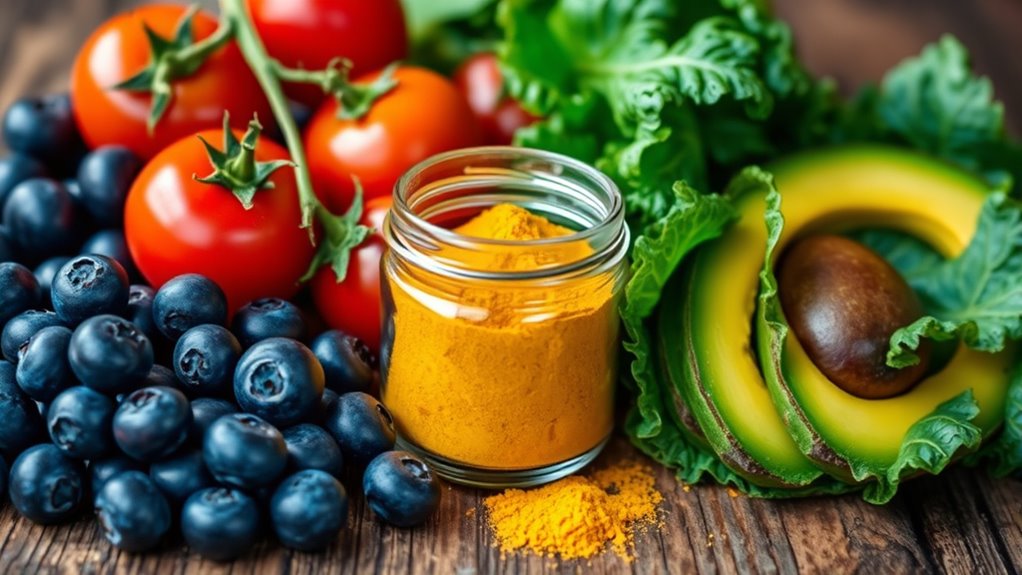

Food can be a powerful form of medicine, helping your body rebalance and restore itself naturally. Incorporate functional foods like herbs, berries, and fermented products to support immunity, reduce inflammation, and boost overall well-being. By choosing nutrient-dense, healing foods, you can address root causes of imbalance and strengthen your health holistically. Keep exploring how integrating food as medicine can transform your approach to wellness and self-care.
Key Takeaways
- Functional foods like berries, leafy greens, and fermented products support immune health, digestion, and overall well-being.
- Incorporating herbs such as ginger, turmeric, and garlic enhances anti-inflammatory and antioxidant effects.
- Food acts as medicine by addressing root causes of imbalance, boosting mental, emotional, and physical health holistically.
- Therapeutic foods like mushrooms and bone broth aid immune support and recovery.
- A holistic nutrition approach combines nourishing meals with herbal remedies to promote prevention and natural healing.
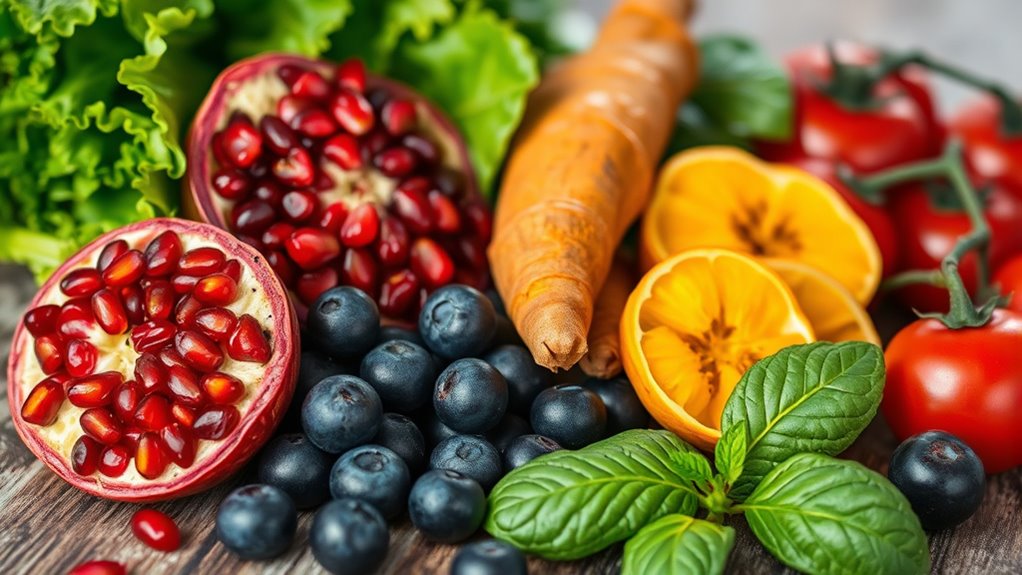
Have you ever considered that the food on your plate might be doing more than just satisfying your hunger? It’s possible that what you eat can be a powerful tool for all-encompassing healing, supporting your body’s natural ability to rebalance and restore itself. Instead of viewing food as mere fuel, you can see it as medicine—an integral part of your overall well-being. Many traditional practices, including herbal remedies, emphasize the healing properties found in everyday ingredients. Incorporating these into your diet can help you address health concerns from a natural, less invasive approach. For example, herbs like ginger, turmeric, and garlic aren’t just flavorful additions—they contain compounds with anti-inflammatory, antioxidant, and immune-boosting qualities. When you integrate these into your meals regularly, you’re actively supporting your body’s defenses and reducing chronic inflammation, which is linked to many modern ailments.
Holistic healing recognizes that health isn’t just about treating symptoms but addressing the root causes of imbalance. Food plays a central role in this philosophy because it influences not only your physical health but also your mental and emotional well-being. By choosing nutrient-dense, functional foods—like berries rich in antioxidants, leafy greens loaded with vitamins, and fermented foods that promote gut health—you’re nourishing your body on multiple levels. Your gut, often called your second brain, is essential for overall health, and fermented foods like yogurt or kimchi can help maintain its balance. This approach aligns with herbal remedies, which have been used for centuries to promote healing and prevent illness. Combining these remedies with a diet rich in functional foods creates an all-encompassing strategy for wellness. Additionally, incorporating therapeutic foods like mushrooms or bone broth can further support your immune system and recovery processes.
You can take control of your health by consciously selecting foods that serve as medicine. Think of your plate as a toolkit filled with options that can boost your immune system, improve digestion, and reduce inflammation. For instance, incorporating turmeric into your meals not only adds flavor but also delivers curcumin, a compound recognized for its potent anti-inflammatory effects. Similarly, adding herbal teas such as chamomile or peppermint can soothe digestion and promote relaxation. This proactive approach empowers you to keep illnesses at bay and enhance your vitality naturally. As you explore these options, remember that food isn’t just sustenance; it’s a form of self-care rooted in the principles of holistic healing. When you see your meals through this lens, you start to realize that nourishing your body is one of the most effective ways to support your health, naturally and sustainably.

NatureWise Turmeric Curcumin 2250mg Supplement with BioPerine, 180 Capsules
- Organic Ingredients: Made with certified organic turmeric and ginger
- High Curcuminoids Content: Provides 500mg of 95% curcuminoids per serving
- Enhanced Absorption: Formulated with BioPerine for better bioavailability
As an affiliate, we earn on qualifying purchases.
As an affiliate, we earn on qualifying purchases.
Frequently Asked Questions
Can Functional Foods Replace Traditional Medicine Entirely?
Functional foods can’t replace traditional medicine entirely, but they can complement your therapies. While they support your health and may help prevent certain conditions, they shouldn’t be your sole treatment. Following dietary guidelines ensures you’re getting balanced nutrition, and incorporating functional foods can enhance your well-being. Always consult your healthcare provider before relying solely on functional foods, especially for serious health issues, as they work best alongside conventional treatments.
Are There Risks Associated With Consuming Functional Foods Excessively?
Think of functional foods like a powerful engine—when used wisely, they drive your health forward, but overuse can cause potential nutrient imbalances. Consuming them excessively risks over reliance, which might mask underlying issues or lead to deficiencies in other nutrients. For example, too many fortified foods could overload your system with certain vitamins, disrupting balance. Moderation is key to harnessing their benefits without risking your health.
How Long Does It Take to See Health Benefits From Functional Foods?
You might start noticing health benefits from functional foods within a few days to several weeks, depending on the specific effects you’re targeting. The timeline effects vary due to individual differences like age, health status, and diet consistency. For some, improvements could be seen quickly, while others might need longer. Stay consistent, and remember that patience and individual variability play essential roles in when you’ll experience these benefits.
Can Children Safely Consume Functional Foods Regularly?
You can generally include functional foods in children’s diets safely if you follow Pediatric Nutritional Guidelines. However, you should be cautious about Food Allergy Risks, especially with new or highly processed options. Always introduce functional foods gradually, monitor for reactions, and consult with a healthcare provider to make certain they suit your child’s specific nutritional needs and health status. Regularly balancing their diet helps maximize benefits safely.
Are Organic Functional Foods More Effective Than Conventional Ones?
Organic functional foods can be more effective than conventional ones due to organic farming practices that often enhance nutrient bioavailability. These foods tend to have fewer pesticides and synthetic additives, potentially resulting in better absorption of beneficial compounds. While they may offer superior nutrient profiles, their effectiveness depends on the specific functional ingredients and how your body absorbs them. Choosing organic can support overall health, but it is crucial to take into account individual needs and quality.

Coolinario L Reuteri Yogurt Starter (10-PK, 1.5g Sachets) Reuteri Probiotic
- Easy Home Yogurt Making: Simple steps to make yogurt at home
- Contains Reuteri Probiotic: Supports gut health and immunity
- Versatile Yogurt Styles: Create traditional or Greek-style yogurt
As an affiliate, we earn on qualifying purchases.
As an affiliate, we earn on qualifying purchases.
Conclusion
By choosing functional foods, you can boost your health naturally. Did you know that incorporating just a handful of nuts daily can reduce heart disease risk by up to 30%? This shows how food truly is medicine. When you prioritize nutrient-rich options, you’re not only nourishing your body but also preventing future health issues. Make smart food choices today, and enjoy the long-term benefits of a healthier, happier life.
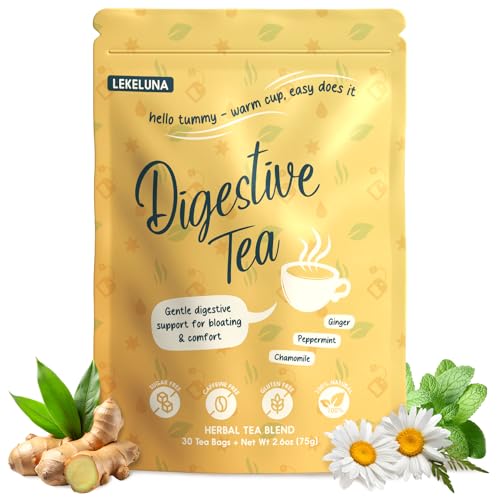
Lekeluna Digestive Tea – Ginger Peppermint Herbal Tea, Caffeine-Free Peppermint Ginger Tea Bags with Chamomile, Fennel, Marshmallow Root & Slippery Elm, Botanical Herbal Blend, 30 Tea Bags
- Gentle Ginger Peppermint Tea: Soothing herbal tea for relaxation
- Herbal Botanical Blend: Includes ginger, peppermint, chamomile, fennel, marshmallow root, slippery elm, and orange peel
- Caffeine-Free Daily Ritual: Perfect for relaxing after meals or busy days
As an affiliate, we earn on qualifying purchases.
As an affiliate, we earn on qualifying purchases.

Host Defense MyCommunity Capsules, Immune Support, 120 Capsules
- Organic Mushroom Complex: Supports immune health
- 17 Mushroom Species: Includes Lion's Mane, Reishi, Chaga
- Trusted Brand: Founded by Paul Stamets, USA-grown
As an affiliate, we earn on qualifying purchases.
As an affiliate, we earn on qualifying purchases.