
TL;DR

Get everyday essentials delivered free — and shop member deals
- Fast, free delivery on millions of items
- Access to Prime Big Deal Days deals on October 6–7
- Prime Video, Amazon Music and more included
Russian drone attacks on Kyiv are continuing into daylight, according to a Meduza report published September 30. The report says strikes from September 22 to 28 killed 13 Kyiv residents and injured more than 160, while civilian casualties were recorded on 16 of September’s first 24 days.
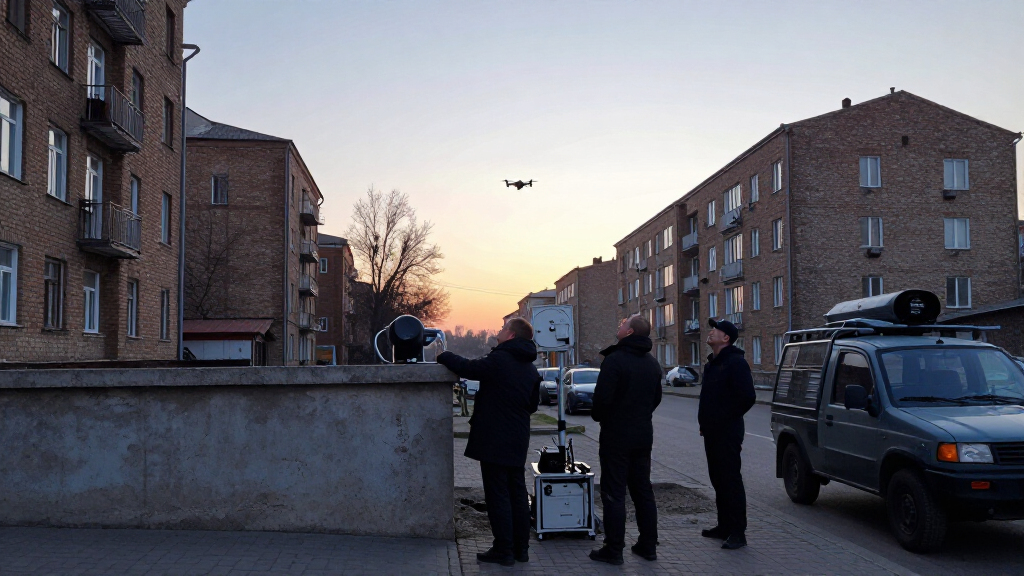
Russian drone attacks on Kyiv are now continuing into daylight as well as at night, according to a Meduza report published September 30. The report says the strikes have grown more frequent and involve jet-powered drones, a shift that is putting sustained pressure on the capital’s air defenses and disrupting daily life.
Meduza reports that Russia is using faster jet-powered drones against Kyiv and other Ukrainian cities. The report says these drones are harder to shoot down than conventional models. It describes attacks at night followed by further waves during the day, a pattern that can keep air defenses responding over extended periods.
The report says the approach became apparent in late August, when Kyiv faced continuous attacks for five days. The intensity eased somewhat afterward, but strikes increased again over the week of September 22 to 28. During that period, the attacks killed 13 Kyiv residents and injured more than 160, according to Meduza.
Across the first 24 days of September, Kyiv experienced civilian casualties on 16 days, the report says. Meduza describes this as a pattern not previously seen since Russia’s full-scale invasion began. The figure refers to the number of days with reported civilian casualties; it does not mean that casualties occurred only on those days or establish how many separate attacks took place.
Daylight Strikes Extend Kyiv’s Exposure
Attacks that continue into daylight extend the hours when residents may face air-raid alerts and disruption. Meduza says the near-daily strikes have brought normal life in Kyiv to a standstill. That description points to effects beyond physical damage: recurring alerts and attacks can interrupt work, travel and other routines, although the report does not quantify those disruptions.
The reported casualties also show the human cost of the renewed intensity. Thirteen people were killed and more than 160 injured in Kyiv during the September 22–28 period, according to Meduza. The report’s account of frequent attacks and harder-to-intercept drones raises concern about the demands on the city’s air defenses, but it does not provide figures for intercepted drones, ammunition use or damage to defense systems.
A Shift From Nighttime Waves
The report describes a change in the timing and pace of attacks rather than a single strike. Russia has been launching drones at night and in waves through the day, Meduza says. The use of faster, jet-powered models is another part of the reported shift. The source does not identify the drone models or provide technical specifications, so the differences in speed and interception difficulty remain described at a general level.
Kyiv’s five days of continuous attacks in late August offered an earlier indication of the pattern, according to Meduza. After a slight easing, the attacks intensified again in the final week covered by the report. The September figures give a measure of the recent toll, while the report’s statement about casualties on 16 of the first 24 days places that week within a wider stretch of repeated danger for residents.
Meduza says its report was written by a journalist, translated from Russian using an AI model, and reviewed by an editor. This explains how the English-language account was produced; it does not independently verify the attack figures or identify the source of each underlying casualty count.
Air Defense Impact Remains Unquantified
The report describes the attacks as wearing down Kyiv’s air defenses, but it does not give operational data showing how many systems are involved, how many drones were intercepted, or whether stocks of interceptors have declined. The precise effects on Ukraine’s ability to defend the capital are therefore not quantified in the material provided.
It is also unclear from the report how many of the attacks used jet-powered drones, whether the same tactics are being used consistently in other cities, or how many people were killed and injured in each individual strike. The casualty figures cover the dates Meduza identifies; they do not establish the full damage to homes, infrastructure or services. Further details could change as Ukrainian officials release information about later attacks.
Further Strikes and Casualty Updates
The immediate issue is whether the daylight waves continue and whether attacks remain as frequent as they were during the week of September 22–28. Any additional casualty totals or information from Ukrainian officials about the drones and interceptions would help clarify the scale and effects of the campaign.
For now, Meduza’s report records a recent rise in attacks and civilian casualties, alongside a reported shift to faster drones and strikes that extend into daytime. It does not specify a next military or political milestone. The pattern and its effects on Kyiv’s defenses and residents remain developing.
Key Questions
What has changed in Russia’s attacks on Kyiv?
Meduza reports that attacks now include daylight waves as well as nighttime strikes, and that Russia is using jet-powered drones that the report describes as faster and harder to shoot down.
How many people were killed or injured in the latest period cited?
According to Meduza, attacks from September 22 to 28 killed 13 Kyiv residents and injured more than 160.
How often did Kyiv record civilian casualties in September?
Meduza says civilian casualties were recorded on 16 of September’s first 24 days. The report does not give a day-by-day breakdown in the supplied material.
How much damage have the attacks caused to Kyiv’s air defenses?
The report says the attacks are wearing down air defenses, but it provides no figures on intercepted drones, air defense equipment or interceptor supplies. The scale of the operational impact remains unclear.
Source: rss
Fall Picks
fall essentials
As an affiliate, we earn on qualifying purchases.