Choosing a smart home platform is less about buying one speaker than deciding how lights, plugs, cameras, routines, and voice commands will work together. Google Home and Amazon Alexa are often compared because both control a wide range of connected devices, but they suit different households. Google Home makes more sense for people already using Google services who want conversational answers and straightforward control. Alexa is usually the better starting point for shoppers who value broad device compatibility, customizable routines, and a wide range of Echo hardware. The main tradeoff is a more Google-centered experience versus greater choice and automation flexibility.

Get everyday essentials delivered free with Prime
- Fast, free delivery on millions of items
- Prime Video, Amazon Music and more included
- Member-only deals all year
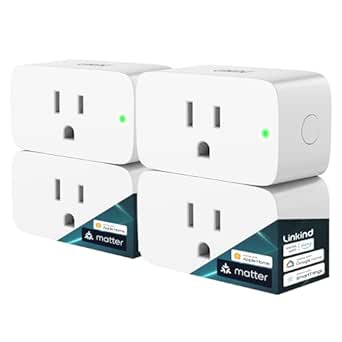
Linkind Matter Smart Plug, 4-Pack
- ✔ Pack size: 4 plugs
- ✔ Connectivity: Matter; 2.4 GHz Wi-Fi; IPv6
- ✔ Platforms: Apple Home, Alexa, Google Home, SmartThings, AiDot app

Amazon Echo Show 5 Smart Display with Alexa, Charcoal
- ✔ Display: 5.5-inch touchscreen
- ✔ Camera: 2 MP with built-in shutter
- ✔ Speaker: 1.75-inch full-range speaker

Kasa Smart Wi-Fi Plug HS103P4, 4-Pack
- ✔ Pack size: 4 plugs
- ✔ Model: HS103P4
- ✔ Connectivity: 2.4 GHz Wi-Fi
At a Glance
| Criteria | Google Home | Amazon Alexa | Winner |
|---|---|---|---|
| Device compatibility | Broad support for major Matter and Works with Google Home devices; check compatibility for specific models | Very broad smart home catalog and wide Echo and partner-device support | B |
| Voice questions and search | Strong fit for Google Search, Maps, Calendar, and Android users | Good for common commands and questions; some services or features may require subscriptions | A |
| Routines and automation | Useful household routines, with setup and options varying by device and app | Flexible routines, triggers, and integrations, with advanced features varying by device | B |
| Hardware choice | Nest speakers and displays, plus Google TV and partner devices | Large Echo range, including speakers, displays, and models with smart home hubs | B |
| Streaming and services | Works naturally with YouTube, YouTube Music, and Chromecast | Strong Amazon Music and Audible integration, plus broad third-party options | Depends |
| Privacy controls | Google account controls and voice activity settings; features vary by product | Amazon account privacy settings and voice recording controls; review settings by device | Tie |
| Value | Good value if you already use Google services or Nest hardware | Good value for device selection and automation, especially during Echo sales | Depends |
Linkind Matter Smart Plug, 4-Pack
For a home that may span several ecosystems, Linkind’s four-plug set is the most adaptable choice in this group. Matter support connects it with Apple Home, Alexa, Google Home, and SmartThings, whereas the Kasa set is specified for Alexa and Google Assistant. That broader reach matters if we want to automate lamps or small appliances without tying every outlet to one assistant.Schedules, timers, remote access, voice commands, and local network control give these plugs useful day-to-day flexibility. Local control can help when internet access is down, though it does not remove the stated requirement for a compatible Matter hub or controller when using the major platforms. The plugs also need 2.4 GHz Wi-Fi and IPv6, so an older or tightly configured network may need attention before setup.Linkind makes the most sense for buyers who value interoperability and want multiple outlets in one set. Its compact, fire-resistant design includes short-circuit and overload protection, but the practical advantage over Kasa depends on whether we need Matter’s ecosystem flexibility. If we simply use Alexa or Google Assistant and want hub-free setup, Kasa is the less complicated fit.
Pros:
- Matter support spans several major smart home platforms.
- Schedules, timers, remote access, and voice control support flexible automation.
- Local network control is available when internet access is unavailable.
- Compact construction includes short-circuit and overload protection.
Cons:
- A Matter-certified hub or controller is required for Apple Home, Alexa, Google Home, and SmartThings.
- Requires both 2.4 GHz Wi-Fi and IPv6.
Best for: Households building around Matter or mixing Apple Home, Alexa, Google Home, and SmartThings devices.
Not ideal for: Buyers without a compatible Matter hub or controller, or anyone whose Wi-Fi setup lacks 2.4 GHz support or IPv6.
Bottom line: We recommend Linkind when broad platform compatibility matters enough to justify its controller and network requirements.
“We recommend Linkind when broad platform compatibility matters enough to justify its controller and network requirements.”
Amazon Echo Show 5 Smart Display with Alexa, Charcoal
The Echo Show 5 takes a different approach from both plug sets: rather than making an appliance remotely switchable, it gives us a small screen for interacting with Alexa and compatible smart home devices. Its 5.5-inch touchscreen can make controls and content easier to scan than voice alone, while the built-in speaker supports audio and the 2 MP camera enables video calls and viewing compatible cameras.That combination makes it a more capable bedside or kitchen companion than a smart plug, but it is also the most Alexa-centered option in the lineup. Linkind is a better choice if we want plugs to work across several named ecosystems; Kasa is a better fit if we need multiple outlets with hub-free setup. Echo Show 5 earns its place when a visual interface and camera are useful in their own right.Privacy controls include a camera shutter and a button that turns off the microphone and camera. The tradeoffs are its compact screen, reliance on compatible services, and the possibility that some skills or services require subscriptions or other fees. It also does not support ad-hoc or peer-to-peer Wi-Fi networks, so it is not the best match for every network environment.
Pros:
- 5.5-inch touchscreen adds visible controls and content.
- Built-in camera supports video calls and compatible camera viewing.
- Camera shutter and microphone/camera off button provide privacy controls.
- Uses recycled fabric yarn and aluminum, with recyclable packaging.
Cons:
- Its smart home experience is centered on Alexa rather than broad platform support.
- Some skills and services may require subscriptions or other fees.
- Does not support ad-hoc or peer-to-peer Wi-Fi networks.
Best for: Alexa households that want a compact screen for smart home controls, video calls, and compatible camera viewing.
Not ideal for: Buyers seeking a multi-platform smart home controller, a dedicated plug pack, or a larger screen for extended viewing.
Bottom line: We’d choose Echo Show 5 when a compact Alexa screen and camera add more value than cross-platform plug control.
“We’d choose Echo Show 5 when a compact Alexa screen and camera add more value than cross-platform plug control.”
Kasa Smart Wi-Fi Plug HS103P4, 4-Pack
When our smart home is already built around Alexa or Google Assistant, the Kasa HS103P4 keeps appliance automation uncomplicated. This four-pack works without a separate hub, and the Kasa app provides remote control, voice commands, schedules, and timers for lamps, fans, and other compatible appliances. Compared with Linkind, it trades Matter’s broader ecosystem reach for a more direct setup path within two popular assistant ecosystems.That simplicity is the Kasa set’s strongest distinction. A 2.4 GHz Wi-Fi connection and a compatible Android or iOS device with the Kasa app are still required, so “no hub” does not mean setup-free. It also lacks the stated local network control and multi-platform Matter support of Linkind. If we expect to move between Apple Home, SmartThings, and other platforms, Linkind offers more room to adapt.The HS103P4 is a sensible pick for households that want to schedule existing appliances and use voice control without adding a controller. Its UL certification and two-year warranty are practical positives. The limitation is that these plugs are focused on switching outlets: unlike Echo Show 5, they do not add a screen, camera, or shared visual interface to the room.
Pros:
- Controls appliances remotely and through voice commands.
- Schedules and timers support routine automation.
- Works with Alexa and Google Assistant without a hub.
- UL certified and includes a two-year warranty.
Cons:
- Requires a 2.4 GHz Wi-Fi connection.
- Setup requires a compatible Android or iOS device and the Kasa app.
- Platform support is narrower than Linkind’s Matter-enabled set.
Best for: Alexa or Google Assistant users who want four app-controlled outlets without buying a separate hub.
Not ideal for: Households that need Apple Home or SmartThings compatibility, Matter support, or local control without internet access.
Bottom line: We’d choose Kasa for a straightforward, hub-free four-plug setup if Alexa or Google Assistant already anchors our home.
“We’d choose Kasa for a straightforward, hub-free four-plug setup if Alexa or Google Assistant already anchors our home.”
As an Amazon Associate we earn from qualifying purchases.
Key Differences
The biggest practical difference is how each platform fits into a household’s existing services and devices. Google Home has an advantage when residents use Android phones, Google Calendar, YouTube, or Chromecast. Alexa’s larger range of compatible products and flexible routine options make it easier to assemble a home around varied devices and custom triggers. Both support many popular smart home categories, and Matter support has made cross-platform choice easier, but compatibility still depends on the exact device and feature.
Neither assistant is the automatic winner for every voice command. Google is a sensible choice for people who ask general questions or want Google services close at hand. Alexa is a strong controller for people who prioritize smart home commands, routines, and Echo hardware choice. Consider privacy settings and subscription requirements too: useful features may depend on a particular model, region, account, or paid service. For value, choose the ecosystem that works with your current devices and habits; the cheaper speaker can become the more expensive choice if it prompts a full replacement.
Detailed Comparison
Device compatibility (Amazon Alexa wins — moderate)
Alexa has the edge in the breadth of smart home products and integrations available, a moderate advantage for households mixing brands or shopping across many categories. Google Home supports the major device types and Matter, but shoppers should check whether a specific device’s features work with their chosen platform. The practical winner is Alexa when variety matters; for a few mainstream devices, the gap may be small.
Voice questions and search (Google Home wins — moderate)
Google Home wins for people who depend on Google Search and services, a moderate advantage when requests involve general information, calendars, or Android-linked tasks. Alexa handles common commands well and can answer many questions, but Google’s service fit is a clearer draw for Google-centered households. If voice use is mostly turning lights on and off, this difference is minor.
Routines and automation (Amazon Alexa wins — moderate)
Alexa offers more flexibility for building routines around schedules, voice commands, and compatible smart home devices, giving it a moderate lead for users who enjoy customizing automation. Google Home supports useful household routines, but available triggers and controls can vary. For simple bedtime or arrival routines, both can work; for more tailored setups, Alexa is the stronger pick.
Hardware choice (Amazon Alexa wins — moderate)
Amazon offers a wider Echo lineup, including more variations in size, display, and smart home hub features. That is a moderate advantage for buyers who want to choose a device for each room or budget. Google’s Nest range covers common speaker and display needs, but offers fewer choices. The difference matters most when shopping for specialized hardware.
Streaming and services (minor difference)
This is a tie that depends on subscriptions and household habits. Google Home fits YouTube, YouTube Music, and Chromecast particularly well; Alexa connects naturally with Amazon Music and Audible and also supports other services. Check the exact service, region, and device before buying. The winner is whichever platform already carries the content your household uses.
Privacy controls (minor difference)
Neither platform takes a universal lead: both provide account settings for voice history and device controls, and both require users to review the settings that apply to their products. The difference is minor for shoppers willing to configure controls. Check microphone mute options, recording retention, and account activity settings on the specific devices you plan to use.
Value (moderate difference)
There is no consistent value winner because speaker prices, sales, and bundles change. Alexa’s broad device selection and routine options can make it better value for a mixed-brand smart home, while Google Home may cost less overall for someone who already owns compatible Nest devices or relies on Google services. Pay more only for features and integrations you will use.
Google Home: Pros and Cons
Pros:
- Fits naturally with Google services, Android, YouTube, and Chromecast
- Good choice for conversational questions and everyday voice requests
- Supports many mainstream smart home devices
Cons:
- Fewer hardware models than Amazon’s Echo range
- Automation options may be less flexible for complex routines
- Compatibility and features still vary by specific device
Amazon Alexa: Pros and Cons
Pros:
- Broad selection of Echo devices and compatible smart home products
- Flexible routines for users who want tailored automation
- Strong fit for Amazon Music, Audible, and varied device brands
Cons:
- Advanced features can vary by model, account, or subscription
- Google services may feel less integrated for Google-centered households
- Large device range can make model comparisons more involved
Who Should Choose What
Choose Google Home if:
- You use Android, Google Calendar, YouTube, or Chromecast every day
- You want a voice assistant for general questions as well as basic device control
- Your home already includes Nest or Google-compatible devices
Choose Amazon Alexa if:
- You want the broadest choice of compatible smart home devices and Echo hardware
- You plan to build custom routines across products from different brands
- You use Amazon Music or Audible and want those services close to your smart home controls
Skip both if: Skip both if you want to avoid cloud-connected voice assistants or your chosen devices require a different hub or platform. Check local controls and exact compatibility before buying.
Value for Money
Paying more is worthwhile only when the added device, integration, or automation solves a real need. Alexa can be the better value for a home with mixed brands or routines that require more customization, especially when Echo devices are discounted. Google Home can be better value for someone already invested in Nest and Google services, since there is less reason to replace working equipment. Compare the total cost of speakers, hubs, subscriptions, and devices that need replacing, rather than choosing from one speaker’s sticker price.
Final Verdict
For most households building a smart home from several brands, choose Amazon Alexa: its broader device and hardware selection and more flexible routines make it the safer default. Choose Google Home if your household already relies on Google services, or if natural queries and Chromecast integration matter more than automation depth. The deciding factor is whether you want wider smart home choice or a closer fit with Google. Before buying, confirm compatibility for the specific devices and features you plan to use.
Frequently Asked Questions
Is Google Home or Alexa better for smart home control?
Alexa is generally better for device variety and customizable routines. Google Home is a strong choice for mainstream device control in a household already using Google services. Check compatibility for your exact devices before choosing.
Do Google Home and Alexa work with the same smart home devices?
Many popular devices support both, and Matter broadens cross-platform support. Some features may work on one platform but not another, so confirm the product’s compatibility details before purchase.
Which platform is easier for routines?
Alexa has an advantage for users who want to tailor routines around schedules, commands, and compatible device triggers. Google Home handles common household routines well, but the available options depend on the device and setup.
Is it worth paying more for an Echo or Nest device?
Pay more when a particular model offers a feature you will use, such as a display, better audio, or a smart home hub. For basic voice control, an entry-level speaker may be enough. Compare current prices and the cost of any required subscriptions.