

In fall and winter, your skin needs extra moisture and protection against cold air, low humidity, and indoor heating. These conditions strip away natural oils, making your skin feel drier, tighter, and more sensitive. Switch to richer moisturizers, use gentle cleansers, and incorporate hydrating ingredients like hyaluronic acid or ceramides. Protect your skin from UV rays, even on cloudy days, and consider adding a humidifier at home. Keep your routine adaptable to stay radiant through the season.

Get everyday essentials delivered free with Prime
- Fast, free delivery on millions of items
- Prime Video, Amazon Music and more included
- Member-only deals all year
Key Takeaways
- Cold air and low humidity dehydrate skin, requiring richer moisturizers and hydrating ingredients like hyaluronic acid.
- Indoor heating dries out skin, so thicker night creams and humidifiers help maintain moisture levels.
- Temperature fluctuations weaken the skin’s barrier, necessitating gentle, barrier-repairing skincare products.
- Reduced natural oil production increases dryness and sensitivity, calling for protective, nourishing skincare routines.
- UV exposure persists through clouds and snow, making consistent SPF application essential year-round.

As the seasons shift from warm to cool, your skin faces new challenges that require a change in your skincare routine. The arrival of fall and winter brings harsher weather, with cold air and low humidity stripping moisture from your skin. You might notice your skin feels tighter, drier, or more sensitive than it did during the summer months. These changes mean you need to adapt your routine to protect your skin from the harsher environment and maintain its health and glow. During this time, focusing on hydration becomes essential, especially since the cold air can break down your skin’s natural barrier, leading to irritation or flakiness. Incorporating richer, more nourishing moisturizers helps lock in moisture and creates a protective layer against the harsh weather. Look for products that contain hydrating ingredients like hyaluronic acid, glycerin, or ceramides, which will help your skin retain moisture better.
Holiday skincare also takes on new importance during these months. As you prepare for festivities and social gatherings, your skin needs to look its best, but you also want to avoid overloading it with harsh products that can cause irritation. The colder months often mean using more makeup, which, combined with the dry air, can clog pores or exacerbate skin sensitivities. To counter this, opt for gentle, fragrance-free cleansers and skincare products that soothe rather than irritate. Don’t forget to keep up with exfoliation, but do so cautiously—over-exfoliating can weaken your skin’s barrier further. Instead, choose mild exfoliants that remove dead skin without stripping away essential oils. During holiday celebrations, prioritize skincare that keeps your skin plump and radiant, such as masks or serums packed with antioxidants and vitamins. Additionally, being mindful of skincare product ingredients can help prevent adverse reactions during this sensitive season. Incorporating hydrating ingredients can further enhance your skin’s resilience against environmental stressors. Remember that the temperature change can also impact your skin’s natural oil production, so adjusting your routine accordingly can make a significant difference. Moreover, paying attention to seasonal skincare needs ensures your skin remains balanced and protected. Recognizing the importance of seasonal skincare routines can help you maintain optimal skin health year-round.
Sun protection remains important in fall and winter, even if you don’t see the sun as intensely. UV rays can still damage your skin through the clouds and reflect off snow, so don’t skip your SPF. Keeping your skin protected helps prevent premature aging and maintains your overall skin health. Additionally, as indoor heating systems run more often, your skin is exposed to dry, recycled air that can cause dehydration. Using a humidifier in your home and applying a thicker moisturizer at night can help counteract this dryness. Remember, your skin’s needs change with the seasons, and adjusting your routine as temperatures drop ensures your skin stays resilient, healthy, and glowing throughout fall and winter.
Popular right now
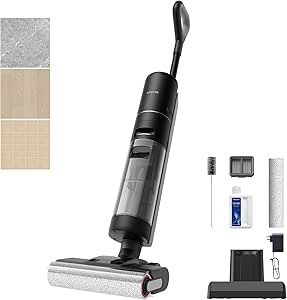
Dreame G10 Pro Wet and Dry Vacuum Mop

Dyson W1 PencilWash Cordless Wet and Dry Floor Cleaner with Dock

Vitamix 5200 Professional-Grade Blender, 64 oz. Container, Black
As an affiliate, we earn on qualifying purchases.
Frequently Asked Questions
How Often Should I Switch My Skincare Products Seasonally?
You should switch your skincare products seasonally, ideally every few months. During fall and winter, incorporate more hydrating and nourishing products to combat dryness, while in summer, opt for lighter, oil-free formulas. Regular product rotation helps your skin adapt to changing weather and maintains peak health. Pay attention to how your skin reacts, and adjust your routine accordingly for the best seasonal skincare results.
Are There Specific Ingredients to Avoid During Colder Months?
During colder months, you should avoid ingredients that can worsen dryness triggers or cause ingredient sensitivities. Steer clear of alcohol-based products, which can strip moisture, and harsh fragrances that might irritate sensitive skin. Instead, opt for gentle, hydrating ingredients like hyaluronic acid and ceramides. These help lock in moisture and protect your skin barrier, keeping your skin comfortable and glowing even in chilly weather.
How Can I Protect My Skin From Indoor Heating Damage?
To protect your skin from indoor heating damage, focus on maintaining suitable indoor humidity levels—around 40-50%—to prevent dryness and irritation. Use a humidifier if needed. Also, guarantee heating safety by avoiding direct heat exposure and keeping your skin moisturized with nourishing creams. Regularly drink water, and limit long, hot showers. These steps help counteract the drying effects of indoor heating, keeping your skin healthy and comfortable.
Should I Change My Sunscreen Routine in Fall and Winter?
Yes, you should adjust your sunscreen routine in fall and winter. Sun protection remains essential, especially with UV rays reflecting off snow and ice. Choose a broad-spectrum SPF 30 or higher, and reapply every two hours when outdoors. Additionally, consider moisturizer adjustment; switch to a richer formula to combat indoor heating dryness. This combo helps protect your skin from UV damage and prevents winter dryness effectively.
What Are Quick Remedies for Winter Chapped Lips?
Imagine soft, smooth lips like a gentle winter breeze—quick remedies can make that a reality. Use lip balm essentials with nourishing ingredients, applying frequently to lock in moisture. For an instant boost, dab on a hydrating mask formulated for lips, leaving it on for a few minutes. These simple steps restore hydration, soothe cracks, and bring back that silky, comfortable feeling, even on the coldest winter days.
Conclusion
As the seasons shift, think of your skin as a delicate garden needing gentle tending. Fall and winter whisper secrets of extra hydration and protection, like wrapping your plants in a cozy blanket before a long nap. Embrace richer creams and mindful care, nurturing your skin through the colder months. When you listen closely to these seasonal cues, you’ll find your skin blossoming with resilience and glow, ready to greet spring’s return with renewed vigor.