Over-exfoliation became common because many believe that more frequent scrubbing speeds up skin renewal, but that’s a false notion that can damage your skin’s natural barrier. People often think that daily exfoliation leads to better results, yet it often causes irritation, sensitivity, and increased sun risk. If you want healthier skin, it’s important to understand the risks and find the right balance. Keep going to discover essential tips to protect your skin and avoid common mistakes.

Get everyday essentials delivered free with Prime
- Fast, free delivery on millions of items
- Prime Video, Amazon Music and more included
- Member-only deals all year
Key Takeaways
- The rise of social media skincare trends promoted frequent exfoliation for faster results.
- Marketing claims often exaggerated benefits, encouraging consumers to overuse exfoliating products.
- Lack of consumer awareness about skin barrier health led to misconceptions about daily exfoliation.
- Influencer culture emphasized quick fixes, making over-exfoliation seem like a safe, effective routine.
- Inadequate guidance from skincare brands contributed to misunderstanding safe exfoliation frequency.
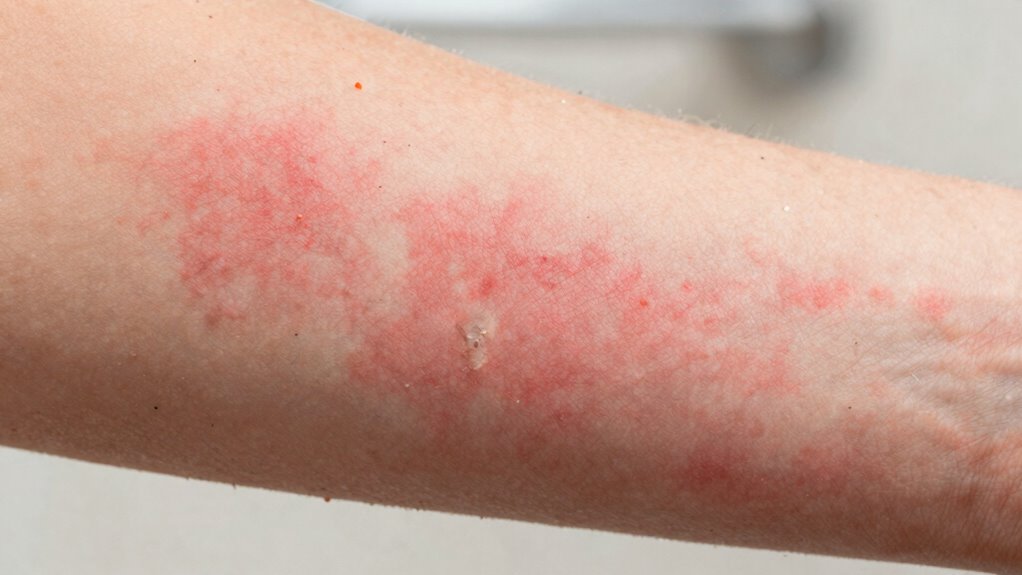
Exfoliating your skin can boost your complexion, but doing it too often or with the wrong products can backfire. Over time, many people fall into the trap of believing that more exfoliation equals better results, but that’s a common misconception fueled by exfoliation frequency myths. This overzealous approach often leads to irritated, sensitive skin, and even worse, it can compromise your skin’s natural barrier. The key is understanding that exfoliation isn’t a one-size-fits-all routine, and overdoing it can undo the benefits you’re aiming for.
One of the biggest pitfalls is not paying attention to skincare ingredient interactions. Many exfoliants contain acids or enzymes that, when combined with other potent products, can cause adverse reactions. For instance, using an alpha hydroxy acid (AHA) or beta hydroxy acid (BHA) too frequently, especially alongside retinoids or vitamin C serums, can lead to redness, peeling, and increased sensitivity. The skin’s barrier gets disrupted, which makes it more vulnerable to environmental stressors and bacteria. If you’re unsure about how your products interact, it’s wise to check with a dermatologist or skincare expert to develop a safe routine that respects your skin’s tolerance.
The prevalence of exfoliation frequency myths also pushes people to overuse exfoliants. Many believe that daily exfoliation speeds up skin renewal, but this isn’t true for most skin types. In fact, excessive exfoliation strips away the outermost layer of dead skin too aggressively, leaving your skin raw and compromised. Instead, a gentle, consistent approach usually yields better results. For some, exfoliating once or twice a week is enough; others with oily or acne-prone skin might benefit from slightly more frequent use, but always within the boundaries of what your skin can handle.
Over-exfoliation also tends to make your skin more sensitive to sunlight, increasing the risk of sun damage. That’s why it’s essential to incorporate broad-spectrum sunscreen into your daily routine, especially if you’re exfoliating regularly. Learning to listen to your skin’s signals is imperative. If you notice irritation, tightness, or increased redness, it’s a clear sign that you need to cut back. Remember, the goal of exfoliation is to reveal smoother, brighter skin, not to cause inflammation or damage. By understanding the truths behind exfoliation myths and being mindful of skincare ingredient interactions, you can establish a routine that enhances your skin’s health rather than harming it. Additionally, understanding the importance of skin barrier health can help prevent over-exfoliation from occurring.
Popular right now

TCL 75-Inch QM6K QLED Mini LED 4K HDR Smart Google TV, 144Hz

Dyson R3 Nurovi Spot+Scrub UV Robot Vacuum

Dreame L40 Ultra Gen 2 Robot Vacuum and Mop
As an affiliate, we earn on qualifying purchases.
Frequently Asked Questions
Can Over-Exfoliation Cause Permanent Skin Damage?
Over-exfoliation can cause permanent skin damage, especially if it leads to chemical burns or collagen breakdown. When you overdo it, your skin’s barrier weakens, making it prone to irritation and long-term issues. Repeated chemical burns can scar your skin, while collagen breakdown accelerates aging signs like wrinkles and sagging. To avoid permanent damage, exfoliate gently and limit usage, listening to your skin’s signals and consulting a dermatologist if needed.
How Do I Know if I’M Exfoliating Too Often?
Think of your skin as a delicate garden. If you notice persistent redness, irritation, or a burning sensation after using chemical peels or physical scrubs, you’re likely overdoing it. Your skin should glow, not feel raw. Reduce exfoliation frequency, perhaps to once or twice a week, and always listen to your skin’s signals. Over-exfoliation can strip away healthy layers, so treat your skin like a precious garden that needs gentle care.
Are There Specific Skin Types More Prone to Over-Exfoliation?
Sensitive skin and oily skin types are more prone to over-exfoliation because their skin barrier is more delicate or produces excess oil. If you have sensitive skin, you might notice irritation, redness, or dryness after exfoliating. Oily skin can become over-exfoliated, leading to increased oil production or breakouts. Pay close attention to your skin’s reactions, and adjust your exfoliation routine accordingly to avoid damaging your skin.
What Ingredients Should I Avoid to Prevent Over-Exfoliation?
Did you know that 60% of skincare mishaps come from using harsh ingredients? To prevent over-exfoliation, avoid chemical irritants like high-strength acids and physical abrasives such as rough scrubs. These ingredients can damage your skin’s barrier, leading to sensitivity and breakouts. Instead, opt for gentle exfoliants and always read labels carefully, reducing the risk of over-exfoliating and maintaining healthy, balanced skin.
Does Over-Exfoliation Affect Skin Barrier Function Long-Term?
Over-exfoliation can weaken your skin barrier, leading to long-term damage. When you overdo it, your skin loses essential lipids and natural oils, making it more vulnerable to irritants and environmental stressors. This compromised barrier can cause persistent redness, sensitivity, and breakouts. To protect your skin, limit exfoliation frequency and choose gentle methods, ensuring your skin barrier stays healthy and resilient over time.
Conclusion
So, next time you reach for that extra exfoliant, ask yourself: is it really worth risking your skin’s health? Over-exfoliation might seem like a quick fix, but it can do more harm than good. Remember, your skin needs balance, not constant scrubbing. Why not give your skin the break it deserves and stick to a gentle routine? After all, healthy skin isn’t about overdoing it—it’s about caring for it wisely.