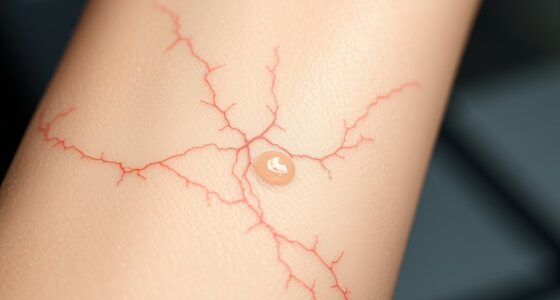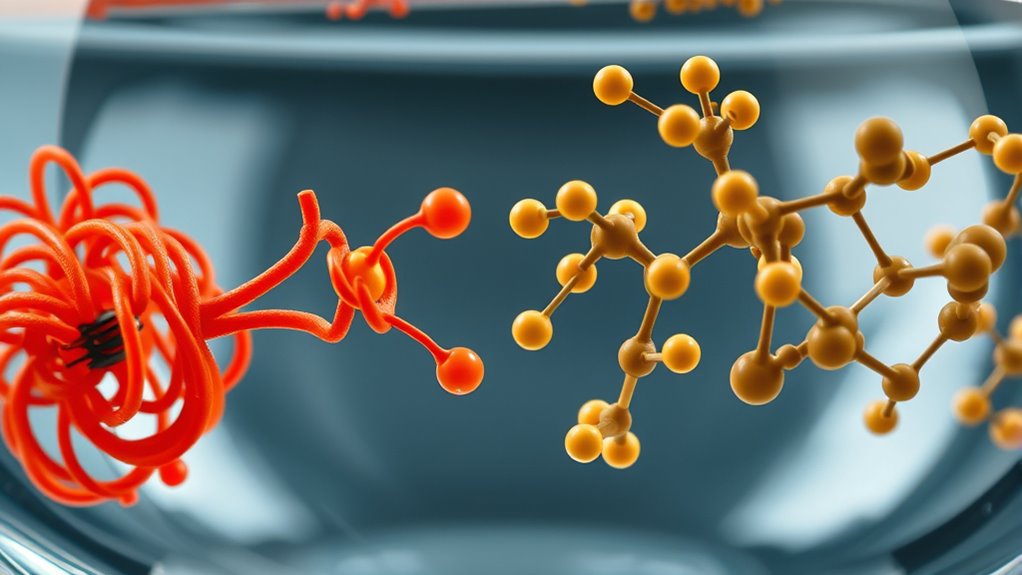

Retinoids stimulate collagen by activating retinoic acid receptors (RARs), which boost gene expression related to cell turnover and collagen production, leading to faster skin renewal. Bakuchiol mimics retinoids’ effects without binding to RARs, promoting collagen through antioxidant and anti-inflammatory pathways more gently. While retinoids can offer quicker results, bakuchiol provides a milder approach suited for sensitive skin. To discover how these molecules work differently and which might suit you best, keep exploring the details below.

Get everyday essentials delivered free — and shop member deals
- Fast, free delivery on millions of items
- Access to Prime Big Deal Days deals on October 6–7
- Prime Video, Amazon Music and more included
Key Takeaways
- Retinoids directly bind to RARs, activating gene expression for rapid collagen synthesis and increased cell turnover.
- Bakuchiol stimulates collagen indirectly via antioxidant and anti-inflammatory pathways, promoting gentle cell proliferation.
- Retinoids are more potent and produce faster collagen-related results, while bakuchiol offers a milder, plant-based alternative.
- Retinoids may cause skin irritation, dryness, and redness, whereas bakuchiol is less likely to compromise the skin barrier.
- Both compounds boost collagen through different molecular mechanisms, allowing tailored skincare based on sensitivity and goals.

Are retinoids or bakuchiol the better option for your skincare routine? When it comes to stimulating collagen production, understanding the molecular mechanisms behind each ingredient is essential. Retinoids, derived from vitamin A, work by binding to specific receptors in skin cells, primarily retinoic acid receptors (RARs). This interaction enhances gene expression related to cell turnover and collagen synthesis. As a result, retinoids effectively boost collagen production, helping reduce fine lines and improve skin firmness. However, their potent molecular mechanisms can also increase skin sensitivity, causing dryness, redness, or irritation, especially if you have sensitive skin or are new to retinoids. That sensitivity arises because retinoids accelerate skin cell turnover so rapidly that your skin’s barrier can become compromised, making it more prone to environmental stressors. Additionally, the speed of collagen stimulation with retinoids can sometimes lead to skin irritation, especially during initial use or with higher concentrations.
Bakuchiol, on the other hand, offers a plant-based alternative with a different set of molecular mechanisms. It acts as a natural retinol mimetic, meaning it stimulates similar pathways involved in collagen synthesis but does so more gently. Bakuchiol interacts with skin cells without binding directly to RARs in the same way retinoids do. Instead, it modulates gene expression related to collagen production and cell proliferation through antioxidant pathways and anti-inflammatory effects. This gentler approach means bakuchiol can promote collagen synthesis without the same level of skin sensitivity that retinoids might provoke. You’re less likely to experience irritation or dryness, making it a suitable choice if your skin is easily reactive or if you’re concerned about the potential drawbacks of retinoids.
While retinoids are often considered more potent due to their direct and well-studied impact on collagen and cell turnover, bakuchiol provides a more gentle, plant-based option that still encourages collagen synthesis through different molecular mechanisms. If your skin tolerates retinoids well, they might give faster, more noticeable results. But if you have sensitive skin, are pregnant, or simply prefer a milder approach, bakuchiol can deliver comparable benefits with less risk of irritation. Ultimately, your choice depends on your skin’s sensitivity and your skincare goals. Both ingredients influence collagen production, but they do so through distinct molecular pathways, affecting how your skin responds and how quickly you see results. Understanding these differences allows you to tailor your routine effectively and choose the option that best suits your skin’s needs.
As an affiliate, we earn on qualifying purchases.
Frequently Asked Questions
Can Bakuchiol Replace Retinoids for Severe Skin Aging?
If you’re considering replacing retinoids with bakuchiol for severe skin aging, think about their safety and efficacy. Bakuchiol offers a gentler, safer alternative, especially if you have sensitive skin, but it may not be as potent as retinoids in stimulating collagen and reducing deep wrinkles. While bakuchiol can improve skin texture and tone, you might need to combine it with other treatments for more dramatic results in severe aging.
Are There Any Long-Term Side Effects of Using Bakuchiol?
You’re wondering about long-term safety and side effects of using bakuchiol. Currently, research indicates that bakuchiol has a favorable side effect profile and is gentle on the skin, making it suitable for long-term use. Unlike retinoids, it typically doesn’t cause irritation or sensitivity. However, since studies are ongoing, it’s wise to monitor your skin’s response over time and consult a dermatologist for personalized advice.
How Do Retinoids and Bakuchiol Compare in Skin Sensitivity?
When comparing sensitivity differences, retinoids often cause higher irritation potential, especially for sensitive skin, leading to redness and peeling. Bakuchiol, on the other hand, tends to be gentler, with a lower risk of skin sensitivity and irritation. If you have sensitive skin or are prone to reactions, bakuchiol might be a better choice. However, everyone’s skin reacts differently, so patch testing is always recommended.
Which Ingredient Offers Better Results for Acne-Prone Skin?
If you’re looking to improve acne-prone skin, bakuchiol is a great choice. It offers pore minimization and oil control without the irritation often caused by retinoids. You’ll notice clearer skin, fewer breakouts, and a smoother texture over time. Plus, bakuchiol’s gentle nature makes it suitable for sensitive skin, so you can get effective results without the redness or dryness that sometimes come with stronger ingredients.
Are There Specific Skin Types That Respond Better to One Molecule?
Did you know that 70% of skincare users report better results with tailored ingredients? When it comes to skin compatibility and molecule efficacy, your skin type plays a big role. Oily or acne-prone skin often responds well to bakuchiol, which is gentler, while mature or dry skin may benefit more from retinoids’ proven collagen boost. Choose based on your unique needs to optimize results and minimize irritation.
bakuchiol serum for sensitive skin
As an affiliate, we earn on qualifying purchases.
As an affiliate, we earn on qualifying purchases.
Conclusion
So, while retinoids are proven to boost collagen production effectively, bakuchiol offers a gentler alternative with comparable results for sensitive skin. Notably, a 2018 study found that 86% of users saw improvements with bakuchiol similar to retinoids. If you’re seeking collagen support without irritation, bakuchiol might be your go-to. But if maximum potency is your goal, retinoids remain the gold standard. Choose what’s best for your skin’s needs!
retinoid alternative plant-based serum
As an affiliate, we earn on qualifying purchases.
As an affiliate, we earn on qualifying purchases.
collagen boosting skincare products
As an affiliate, we earn on qualifying purchases.
As an affiliate, we earn on qualifying purchases.
Fall Picks
fall essentials
As an affiliate, we earn on qualifying purchases.