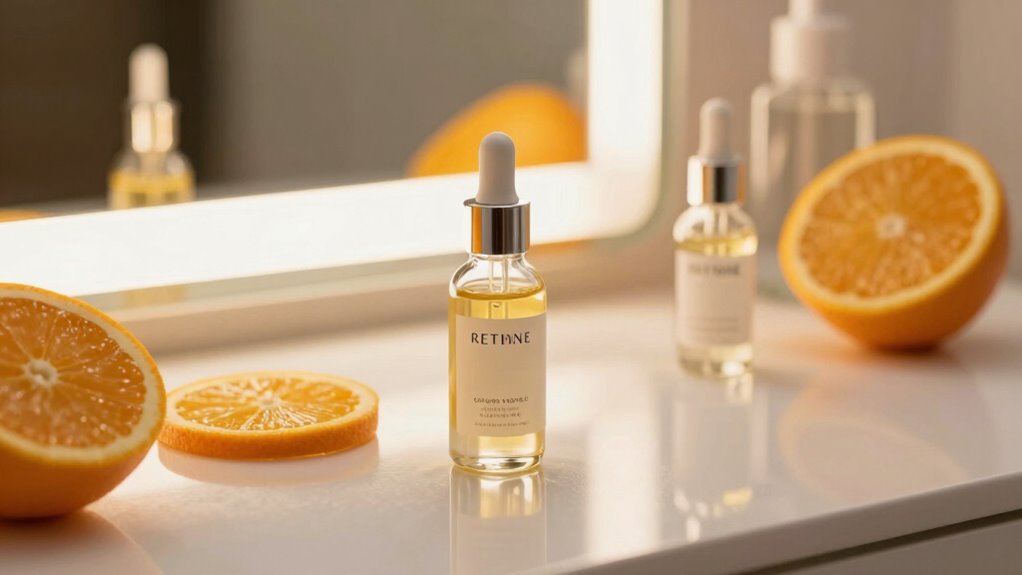

You’re returning to classic ingredients like retinol and vitamin C because they’ve proven their safety and effectiveness over time, delivering real results like brighter skin, fewer wrinkles, and improved texture. Their long-standing reputation gives you confidence that you’re using reliable products. Advances in formulation now guarantee these ingredients stay stable and work better, minimizing irritation. Keep exploring to discover how modern innovations make these timeless favorites even more effective for your skin.

Get everyday essentials delivered free with Prime
- Fast, free delivery on millions of items
- Prime Video, Amazon Music and more included
- Member-only deals all year
Key Takeaways
- Consumers trust proven, effective ingredients like retinol and vitamin C for reliable skincare results over newer, untested options.
- The longstanding safety and efficacy of these ingredients boost consumer confidence and loyalty.
- Advances in formulation stability enhance their performance, making them more effective and less irritating.
- Natural derivations and alignment with the natural skincare movement increase their appeal.
- Their versatility allows integration into various routines, providing comprehensive anti-aging and brightening benefits.
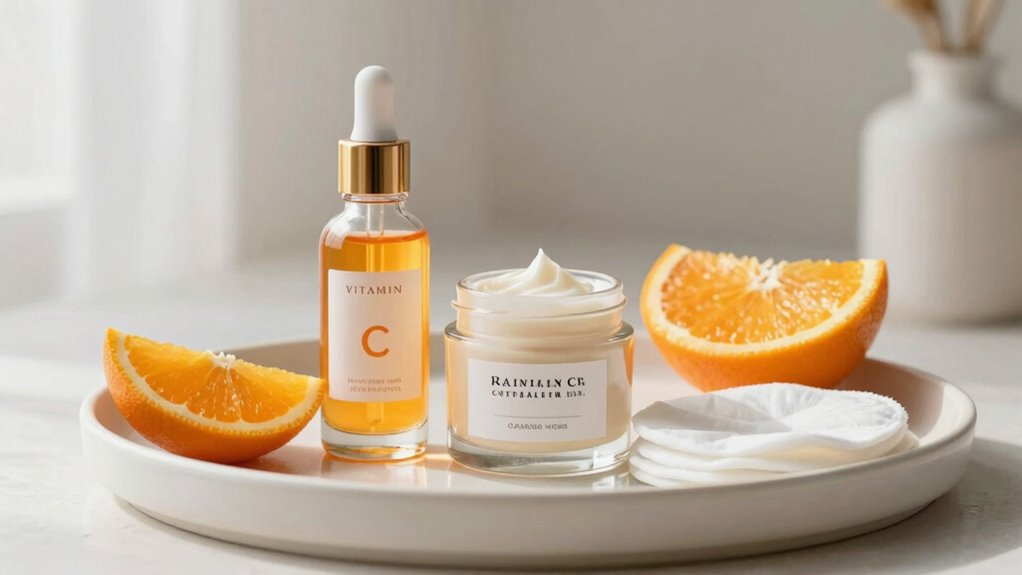
Retinol and vitamin C are two powerhouse ingredients that can markedly improve your skincare routine. Their enduring popularity isn’t just a trend; it’s rooted in their proven effectiveness. As consumers become more discerning about what they apply to their skin, many are returning to these classic ingredients because they deliver real results. In recent years, there’s been a surge in interest around natural formulations, and both retinol and vitamin C fit well into this movement. They are naturally derived or inspired ingredients that have stood the test of time, giving you confidence in their safety and efficacy. Their long-standing reputation makes them reliable choices for addressing a variety of skin concerns like aging, dullness, and uneven tone.
Retinol and vitamin C are trusted, effective ingredients for addressing aging, dullness, and uneven skin tone.
One reason these ingredients remain favorites is their ability to work effectively in formulations that emphasize ingredient stability. Both retinol and vitamin C are sensitive to factors like light, air, and heat, which can cause them to degrade quickly. This makes product formulation critical. Brands that prioritize ingredient stability use advanced techniques—such as opaque packaging, airless pumps, and stabilized derivatives—to ensure these potent ingredients stay effective longer. When you choose skincare products with stable formulations, you’re more likely to see consistent results over time, which builds trust and satisfaction. The stability also reduces the risk of irritation caused by unstable ingredients breaking down into potentially harmful compounds. Additionally, understanding the comogenic ratings of ingredients can help you select products that won’t clog your pores or cause breakouts, further enhancing their efficacy and safety.
Another appealing aspect of retinol and vitamin C is their versatility. You can incorporate them into your routine in many ways, whether through serums, creams, or oils. This flexibility allows you to tailor your skincare to your specific needs. Retinol, a derivative of vitamin A, is well-known for its ability to stimulate collagen production, improve skin texture, and diminish fine lines. Vitamin C, on the other hand, acts as a powerful antioxidant that brightens skin and neutralizes free radicals. When used together, they complement each other’s benefits, creating a thorough approach to skin health. Modern formulations often combine these ingredients in ways that maximize their effectiveness while minimizing potential irritation, thanks to advancements in natural formulations and ingredient stability. Moreover, understanding ingredient stability can help you choose products that maintain their potency longer, ensuring you get the most from your skincare investment.
Popular right now

Bose QuietComfort Ultra Wireless Noise-Cancelling Headphones with Spatial Audio, Black

Ninja CREAMi 7-in-1 Ice Cream Maker, NC299AMZ

Shark PowerPro Reveal Plus Cordless Vacuum Cleaner, Charcoal, IZ376H
As an affiliate, we earn on qualifying purchases.
Frequently Asked Questions
Are There Any Side Effects From Long-Term Use of Retinol or Vitamin C?
Long-term use of retinol and vitamin C can sometimes cause side effects, especially if ingredient interactions aren’t considered. You might experience skin irritation, dryness, or sensitivity if your product formulations aren’t suitable for your skin type. To minimize risks, select products with proper formulation and avoid overuse. It’s wise to consult a dermatologist to ensure your skincare routine aligns with your skin’s needs, especially with continuous use of potent ingredients.
Can These Ingredients Be Used Together in the Same Skincare Routine?
Think of your skincare routine as a symphony—each ingredient needs to play nicely together. Retinol and vitamin C can harmonize, but ingredient compatibility and formulation concerns are key. Use vitamin C in the morning for antioxidant protection, then retinol at night to avoid irritation. Layering improperly might cause sensitivity, so always patch-test and choose products formulated to work together. This way, your skin stays balanced and radiant.
How Do I Choose the Right Concentration of Retinol for My Skin?
You should start with a low retinol dosage, like 0.25% or 0.5%, especially if you have sensitive skin. Gradually increase the concentration as your skin builds tolerance. For vitamin C, choose a concentration between 10% and 20%, depending on your skin’s sensitivity. Always patch test new products, and consult a dermatologist if you’re unsure. Finding the right balance helps you enjoy benefits without irritation.
Are There Specific Skin Types That Benefit Most From Retinol or Vitamin C?
You’ll find that those with sensitive skin may need to start with lower concentrations of retinol or opt for gentler formulas, while vitamin C benefits most skin types by brightening and boosting collagen. Age-specific benefits vary; younger skin can benefit from antioxidant protection, while mature skin gains from retinol’s anti-aging effects. Pay attention to your skin’s reactions, and tailor your routine accordingly for best results.
What Are the Best Application Tips for Maximizing Ingredient Effectiveness?
You should start by thoroughly investigating the truth of application techniques to maximize ingredient effectiveness. For retinol and vitamin C, proper layering is key: apply vitamin C first on clean, dry skin to boost antioxidant protection, then wait a few minutes before applying retinol to reduce irritation. Use a pea-sized amount, avoid over-application, and always follow with moisturizer and sunscreen. Consistency enhances results over time.
Conclusion
Just like a trusted old friend, retinol and vitamin C continue to deliver reliable results you can count on. Their proven effectiveness makes them favorites in your skincare routine, offering tangible improvements with each use. As familiar as an old song, these ingredients remind you that sometimes, sticking to what works best is the smartest choice. So, don’t overlook these classics—they’re timeless for a reason, and your skin will thank you for it.