

TL;DR

Get everyday essentials delivered free with Prime
- Fast, free delivery on millions of items
- Prime Video, Amazon Music and more included
- Member-only deals all year
The European Union announced new climate targets for 2026, including a 55% reduction in greenhouse gas emissions and increased renewable energy adoption. The plan is confirmed but detailed implementation strategies are still under development. This move signals a significant shift in EU climate policy, impacting energy markets and international commitments.
The European Union announced today that it aims to reduce greenhouse gas emissions by 55% by 2026, compared to 1990 levels, as part of its updated climate policy. You can read more about the EU’s climate initiatives in the Daily News 29 / 07 / 2026. This confirmed target marks a significant step in the EU’s efforts to combat climate change and meet its international commitments. The announcement was made by the EU Commission and signals a major policy shift that could influence energy markets and global climate negotiations. For more updates, see the Daily News 24 / 07 / 2026.
The EU Commission revealed the new climate goals during a press conference, stating that the 55% reduction is a legally binding target for member states. The plan also emphasizes increasing the share of renewable energy to at least 45% of the EU’s energy mix by 2030, with specific measures to be detailed in upcoming legislation. Learn more in the Essential News & Media Gear Checklist 2026. The announcement follows months of negotiations among member states, with some countries advocating for more ambitious targets, while others expressed concerns about economic impacts.
Officials confirmed that the EU will introduce a series of policy measures, including stricter emission standards for industries, incentives for renewable energy investments, and tighter regulations on fossil fuel use. However, the precise implementation strategies and timelines are still under development, with detailed proposals expected to be published later this year. The EU also reaffirmed its commitment to the Paris Agreement, aiming to position itself as a leader in global climate action.
Implications for EU Climate Leadership and Market Dynamics
This announcement signifies a decisive step by the EU to strengthen its climate commitments, potentially setting a precedent for other regions. The 55% emission reduction target could accelerate the transition to renewable energy, influence energy prices, and create new economic opportunities within the green technology sector. It also underscores the EU’s intent to meet its Paris Agreement commitments ahead of the 2030 deadline, reinforcing its role as a global climate leader. However, the actual impact will depend on the detailed policies and member states’ ability to implement them effectively.
Popular right now

Samsung 65-Inch The Frame Pro Neo QLED 4K TV (2026) Bundle with Modern Brown Bezel, HDMI Cables, and Home Theater Guide
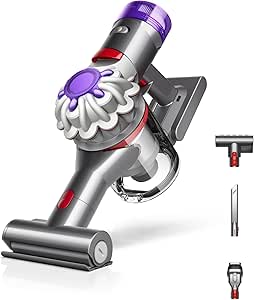
Dyson Car+Boat Cordless Handheld Vacuum

Ninja Foodi 8-Qt DualZone 6-in-1 Air Fryer, Grey, DZ201
As an affiliate, we earn on qualifying purchases.
Background on EU Climate Policy and Recent Developments
The EU has been progressively tightening its climate policies over the past decade, with previous targets including a 40% reduction by 2030. The 2026 announcement builds on the European Green Deal and the Fit for 55 package, which aimed to reduce emissions by 55% by 2030 but did not specify interim targets for 2026. Negotiations among member states have often been contentious, balancing economic interests with climate ambitions. Recent global climate conferences have increased pressure on the EU to deliver more aggressive targets, especially amid rising climate-related disasters and international commitments.
“This new target underscores the EU’s commitment to leading the global fight against climate change and demonstrates our resolve to achieve a sustainable future.”
— EU Climate Commissioner Maria Jensen
Details of Implementation and Member State Commitments
While the targets are confirmed, the specific policies, legislative measures, and funding mechanisms to achieve the 55% reduction are still under development. It remains unclear how quickly member states will align their national policies and what enforcement measures will be put in place to ensure compliance. Additionally, the economic impacts and potential pushback from industries reliant on fossil fuels are ongoing concerns that could influence the final policy framework.
Upcoming Policy Proposals and Member State Negotiations
The EU Commission is expected to publish detailed legislative proposals later this year, outlining measures for emission reductions, renewable energy incentives, and industry regulations. Member states will then negotiate and adapt these proposals into national laws, with a target for full implementation by 2027. Monitoring and reporting mechanisms will be established to track progress toward the 2026 goal, and discussions on funding and support for affected industries will continue throughout the year.
Key Questions
What is the main goal of the EU’s new climate targets?
The primary goal is to reduce greenhouse gas emissions by 55% by 2026, compared to 1990 levels, and increase renewable energy use across member states.
Are these targets legally binding?
Yes, the EU Commission has stated that the 55% reduction target is legally binding for member states, though the specific policies to meet it are still being developed.
How will this affect energy prices in Europe?
While not yet clear, increased renewable energy investments and stricter regulations could influence energy prices, potentially leading to higher costs in the short term but lower emissions long-term.
When will detailed policies be announced?
The EU Commission plans to publish detailed legislative proposals later this year, with implementation expected to follow in 2027.
Will all member states meet these targets?
It remains uncertain; success will depend on national commitments, policy implementation, and economic factors affecting each country.
Source: primary