News alerts instantly grab your attention and shape your perception of danger by using sensational language and dramatic visuals. This often amplifies feelings of fear, worry, and panic, even if the threat is minor. Constant updates and headlines keep you in a state of heightened alert, making crises seem more imminent and widespread. Over time, this can lead to increased anxiety and a distorted view of reality. Keep exploring to understand how to protect your mental well-being.
Key Takeaways
- News alerts often use sensational language and visuals to quickly capture public attention.
- Continuous updates create a sense of omnipresent crises, heightening public alertness and anxiety.
- Sensationalized content triggers emotional reactions, increasing feelings of fear and helplessness.
- Media saturation conditions the brain to perceive threats as more imminent than they are.
- Limiting news exposure and practicing media literacy helps reduce anxiety and maintain emotional balance.

In today’s digital age, news alerts can swiftly shape public perception, often fueling anxiety even before all facts are known. The relentless media saturation means you’re constantly bombarded with headlines, notifications, and updates, creating an environment where information flows nonstop. This constant stream can make it seem like crises are happening everywhere, all at once, which intensifies your emotional response. When you’re exposed to such a barrage of news, it’s easy to feel overwhelmed or helpless, especially when the stories are urgent, alarming, or tragic.
The emotional impact of these alerts is powerful. They’re designed to grab your attention quickly, often using sensational language or dramatic visuals. This tactic heightens your emotional reaction, making you more likely to click, share, or seek out more information. But it also has a downside: it can amplify feelings of fear, worry, or panic, even if the actual threat is minor or fleeting. Because news alerts are crafted to be immediate and compelling, they bypass your critical thinking, pushing emotional responses to the forefront. Over time, this can cause a heightened state of alertness, where you start to perceive danger more frequently than it actually exists.
Media saturation feeds this cycle. The more news alerts you receive, the more your brain gets conditioned to expect constant updates about crises or emergencies. This saturation can distort your perception of reality, making threats seem more imminent and widespread than they really are. It’s like living in a perpetual state of crisis mode, where your attention is constantly diverted to urgent stories. As a result, your anxiety levels may rise, not necessarily because of the actual events, but because of the relentless exposure to alarming news. You might find yourself checking your devices repeatedly, unable to escape the feeling that something terrible is always just around the corner.
Understanding how news alerts influence your attention and anxiety helps you realize the importance of managing your media consumption. Limiting exposure, taking breaks from constant updates, and critically evaluating the information you receive can help you maintain a healthier perspective. Recognizing the role of media saturation and the emotional impact of news alerts empowers you to stay informed without becoming overwhelmed. It’s also helpful to be aware of how media saturation can distort your perception of threats, leading to unnecessary stress. Additionally, being mindful of information overload and its effects on mental health can guide you toward healthier media habits. Incorporating media literacy into your routine can further strengthen your ability to discern credible information from sensationalized content. Ultimately, you control how much news you consume and how much influence it has over your mental state, helping you navigate a noisy, fast-paced information environment more calmly. Being aware of the digital content environment you are immersed in is essential for maintaining emotional well-being in today’s interconnected world.
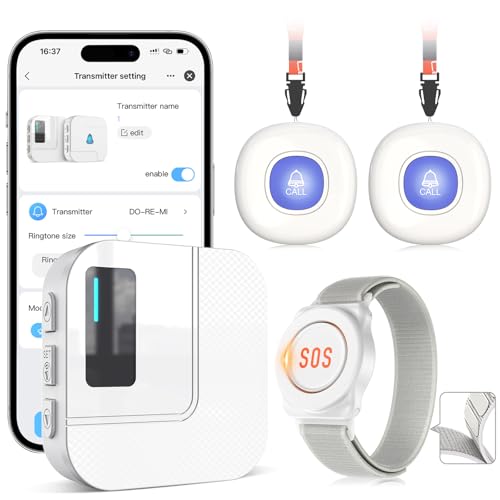
CallToU Wi-Fi Wireless Caregiver Pager Call Button for Elderly at Home, APP Emergency Alert for Seniors, Patients, and The Disabled
Wireless APP Caregiver Pager: The WIFI wireless caregiver pager use 433MHz technology for a 328ft /100m range, penetrating…
As an affiliate, we earn on qualifying purchases.
As an affiliate, we earn on qualifying purchases.
Frequently Asked Questions
How Do News Alert Frequencies Vary Across Different Media Platforms?
You’ll notice that news alert frequencies differ across platforms due to media algorithms. Some, like Twitter and real-time news apps, send alerts frequently to keep you updated, leading to alert saturation. Others, such as traditional news websites, send fewer notifications, focusing on curated updates. These differences shape how often you receive alerts, affecting your attention span and anxiety levels as platforms optimize alert frequency to maximize engagement.
What Demographic Groups Are Most Affected by News Alert-Induced Anxiety?
You’re most likely to notice anxiety disparities and demographic vulnerability among younger adults, women, and those with pre-existing mental health conditions. These groups tend to experience heightened emotional reactions to news alerts, especially when alerts are frequent or alarming. Your awareness of these differences can help you manage your media consumption better, reducing unnecessary stress. Recognizing demographic vulnerability empowers you to seek supportive resources tailored to your needs.
Can News Alert Customization Reduce Public Anxiety Levels?
Like a skilled gardener tending tender blooms, you can cultivate calm through personalized notifications. Customizing news alerts acts as a buffer, shielding you from overwhelming waves of information. By tailoring alerts to your interests and importance, you reduce anxiety triggers and foster anxiety mitigation. This proactive approach helps you navigate the storm of headlines with calmer seas ahead, transforming chaos into clarity and keeping your mental garden flourishing.
How Do News Alerts Influence Decision-Making During Crises?
News alerts directly influence your decision-making during crises by shaping your emotional impact and how you process information overload. When alerts are timely and accurate, they help you act swiftly and confidently. However, too many alerts can cause overwhelming information overload, leading to hesitation or poor choices. Staying selective with alerts reduces emotional strain, allowing you to focus on critical details and make better, informed decisions during stressful situations.
What Psychological Mechanisms Link News Alerts to Heightened Public Vigilance?
You become more vigilant through news alerts because they trigger emotional arousal, making threats seem more immediate. Cognitive biases like availability bias cause you to overestimate risks based on recent alerts, amplifying your alertness. This heightened emotional state and bias reinforce your perception of danger, prompting increased vigilance. Fundamentally, emotional arousal and cognitive biases work together, making you more alert and responsive to potential threats highlighted by news alerts.

Teaching Students to Decode the World: Media Literacy and Critical Thinking Across the Curriculum
As an affiliate, we earn on qualifying purchases.
As an affiliate, we earn on qualifying purchases.
Conclusion
In the end, news alerts are like fireflies in the night—bright and mesmerizing, but sometimes flickering too quickly to grasp fully. They pull your attention with a flicker of urgency, yet can also ignite unnecessary anxiety if you’re not careful. Remember, you hold the lantern—choose what to illuminate and when to let darkness fall. With mindful awareness, you can navigate this digital landscape without being blinded by fleeting flashes of panic.

Appstore Settings – Quick App Store Management (Shortcut Tool)
Quick Access to Appstore settings
As an affiliate, we earn on qualifying purchases.
As an affiliate, we earn on qualifying purchases.
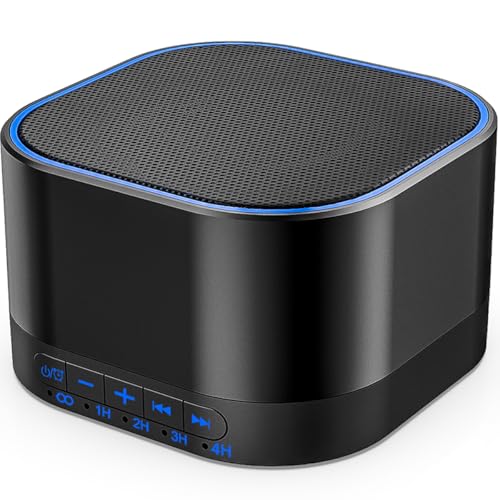
Magicteam White Noise Machine with 20 Non Looping Natural Soothing Sounds Memory Function 32 Levels of Volume Powered by AC or USB and Sleep Sound Timer Therapy for Baby Kids Adults Black
❤20 Non-Looping Sleep Sounds: White noise ,Brown noise, pink noise, blue noise, fan,brook, rain, ocean,bird and Bonfire,suitable for…
As an affiliate, we earn on qualifying purchases.
As an affiliate, we earn on qualifying purchases.