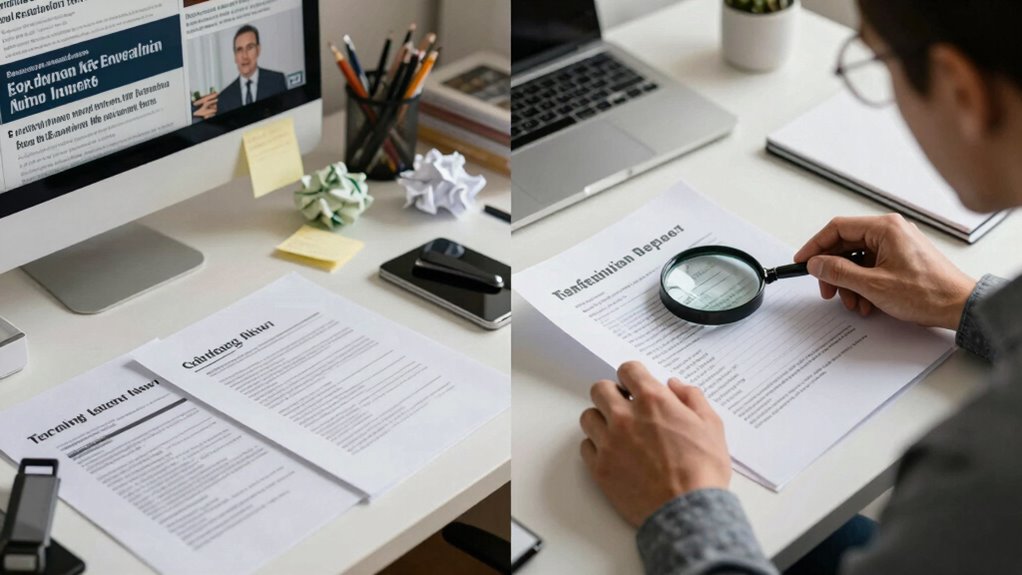
Confirmed reports come from reliable sources and are backed by verified facts, helping you trust the information you receive. Early speculation, on the other hand, is based on incomplete details, rumors, or assumptions, which can mislead and cause unnecessary panic. It’s important to evaluate the credibility of sources before accepting what you hear. Staying cautious helps you avoid misinformation and see the full picture—if you keep exploring, you’ll get a clearer understanding of how to distinguish between them.
Key Takeaways
- Confirmed reports come from verified sources with validated evidence, while early speculation is based on incomplete or unverified information.
- Verified details provide a reliable understanding of events; early speculation often involves assumptions and rumors.
- Confirmed reports foster trust and calm public response; early speculation can cause confusion or panic.
- Assessing source credibility helps distinguish between verified facts and unchecked guesses.
- Critical evaluation of information ensures reliance on accurate details rather than spreading misinformation.
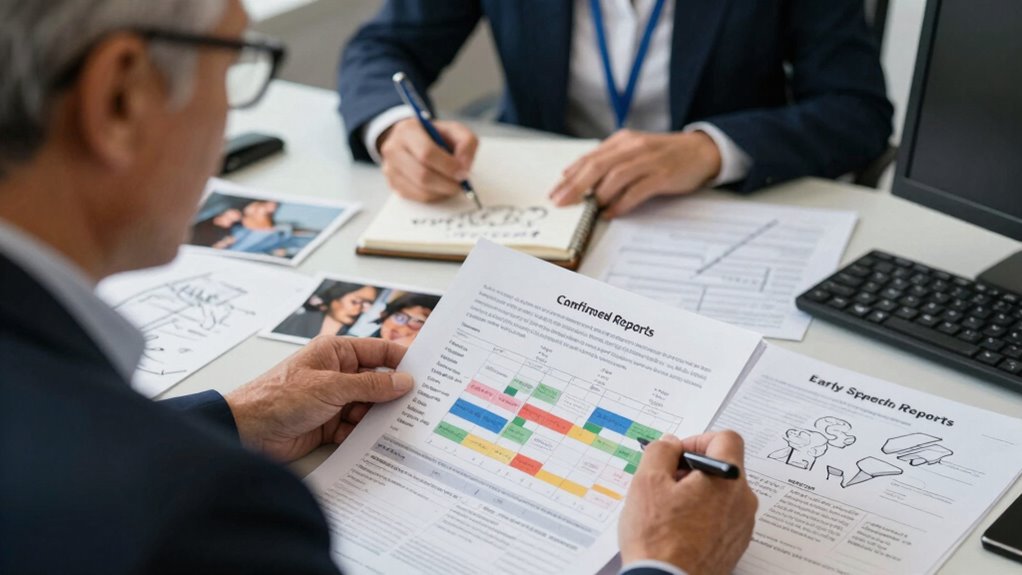
When new information emerges, it’s vital to distinguish between confirmed reports and early speculation. Confirmed reports come from reliable sources that have verified details, providing a solid foundation for understanding the situation. Early speculation, on the other hand, often stems from incomplete information, rumors, or assumptions that haven’t been validated. Recognizing this difference helps you navigate the flood of information more effectively, avoiding unnecessary panic or misinformation. A clear understanding of the importance of accuracy in reporting can significantly improve how you interpret news and updates. Your perception of an event is heavily influenced by the credibility of the sources presenting the information. When you rely on confirmed reports, you’re basing your understanding on verified facts, which enhances your trust in the information and reduces confusion. Conversely, early speculation can lead to misconceptions if taken at face value. It’s tempting to jump to conclusions when you hear rumors or unconfirmed claims, but doing so can distort your view. To avoid this, evaluating the credibility of sources becomes vital. Ask yourself: Are these sources known for accuracy? Do they cite evidence or experts? Or are they spreading unverified claims? Developing this source credibility assessment helps you filter out noise and focus on information that truly reflects the reality of the situation. The impact on public perception is significant. When confirmed reports dominate the narrative, the public tends to respond more calmly and rationally. Clear, verified information tends to foster trust and reduce anxiety. However, when early speculation circulates widely, it can create confusion, fear, or even panic. Misinformation spreads faster than facts in many cases, and people often share unverified details without realizing their potential to distort the truth. As a result, public perception becomes skewed, influencing behaviors and attitudes that might not align with reality. You have a responsibility to critically evaluate the information you consume. Recognize that not everything that appears online or in the media is verified. Take a moment to think about the source’s credibility and whether the information has been confirmed by reputable outlets. This cautious approach is especially important in the age of instant communication, where false information can spread rapidly. Understanding the differences in source credibility can help you better gauge the reliability of what you read. This cautious approach helps prevent the spread of false information and maintains a clearer, more accurate understanding. The difference between confirmed reports and early speculation isn’t just a matter of accuracy—it shapes how you and the wider community respond to unfolding events. By discerning between the two, you contribute to a more informed, less panicked public perception.

TREND ENTERPRISES: Multiplication 0-12 Skill Drill Flash Cards, Exciting Way for Everyone to Learn, Facts Through 12, Self-Checking, Great for Skill Building and Test Prep, 91 Cards Included, Ages 8+
Master times tables with confidence; self-checking design enables independent practice and immediate feedback that builds student assurance without…
As an affiliate, we earn on qualifying purchases.
As an affiliate, we earn on qualifying purchases.
Frequently Asked Questions
How Do Sources Verify Confirmed Reports?
You verify confirmed reports by evaluating source credibility and applying verification methods. You check if the source has a reputation for accuracy, firsthand knowledge, or reliable connections. You also cross-reference information with multiple independent sources and look for supporting evidence like documents, photos, or videos. These steps help guarantee the report’s authenticity, minimizing misinformation and confirming that the information is accurate and trustworthy before sharing or acting on it.
Can Early Speculation Influence Confirmed News?
You might think early speculation is harmless, but it can subtly influence confirmed news through rumor propagation, blurring facts. When initial ideas circulate widely, they can sway public perception and even shape the narrative before facts are solidified. This creates misinformation risks, as people may treat rumors as truth. Staying cautious and waiting for verified information helps guarantee you’re not misled by the potential distortions of early, unconfirmed reports.
What Are Common Signs of Reliable Reports?
You can identify reliable reports by checking source credibility and practicing bias detection. Look for reports from reputable outlets with a history of accuracy, transparency, and verified sources. Be cautious if the information seems sensational or if the source has a known bias. A trustworthy report typically cites evidence, avoids emotional language, and presents facts objectively. By honing these skills, you guarantee you’re getting accurate, well-founded information.
How Quickly Do Confirmed Reports Get Updated?
Confirmed reports usually get updated within a few hours to a day, but media biases and reporting delays can sometimes slow this process. You should stay cautious, as initial updates may not reflect the latest facts. Reliable sources prioritize quick, accurate updates, but delays happen, especially during breaking news. To stay informed, cross-check updates from multiple outlets and be aware that biases may influence how swiftly and thoroughly information is revised.
Are There Legal Risks With Early Speculation?
Yes, there are legal implications with early speculation. You risk spreading false information or defamation, which could lead to lawsuits. Ethically, it’s important to verify facts before sharing, as premature reports can mislead or harm individuals and organizations. Engaging in early speculation without evidence can damage your credibility and violate legal standards, so always consider the potential legal and ethical consequences before sharing unconfirmed details.

Practicing Positive Psychology Coaching: Assessment, Activities and Strategies for Success
As an affiliate, we earn on qualifying purchases.
As an affiliate, we earn on qualifying purchases.
Conclusion
So, next time you hear about a story, remember: confirmed reports are the steady lighthouse guiding you through a stormy sea of rumors, while early speculation is just a flickering candle full of shadows and uncertainty. Don’t let wild guesses sweep you away into chaos—trust verified facts to anchor your understanding. In the world of information, clarity is your superpower, and knowing the difference can save you from being lost in a jungle of misinformation.

Burning Studio 26 – Burn, copy, save – the multimedia all-rounder – burning software – create covers, inlays, disk labels for Win 11, 10
Your powerful burning software for burning and copying CDs, DVDs and Blu-ray Discs
As an affiliate, we earn on qualifying purchases.
As an affiliate, we earn on qualifying purchases.

Fox News: US & World Headlines
Live stream news or watch on-demand videos.
As an affiliate, we earn on qualifying purchases.
As an affiliate, we earn on qualifying purchases.