
You might think digital assets have replaced commodities, but prices still reveal essential economic signals. They reflect supply and demand fundamentals that digital markets can’t fully replicate. Commodity prices influence inflation, currency stability, and global market confidence. As technology advances, they remain key benchmarks for economic health. If you want to understand how these traditional indicators adapt and thrive in a digital world, there’s much more to uncover.

Get everyday essentials delivered free with Prime
- Fast, free delivery on millions of items
- Prime Video, Amazon Music and more included
- Member-only deals all year
Key Takeaways
- Commodity prices reflect supply and demand fundamentals that digital assets cannot fully replicate.
- They serve as key indicators of global economic health and geopolitical stability.
- Prices influence inflation, currency stability, and investment strategies in both traditional and digital markets.
- Digital technologies enhance transparency and trading efficiency but do not replace the core economic signals from commodities.
- Commodity prices remain vital benchmarks for market confidence and economic policy decisions in a digital economy.
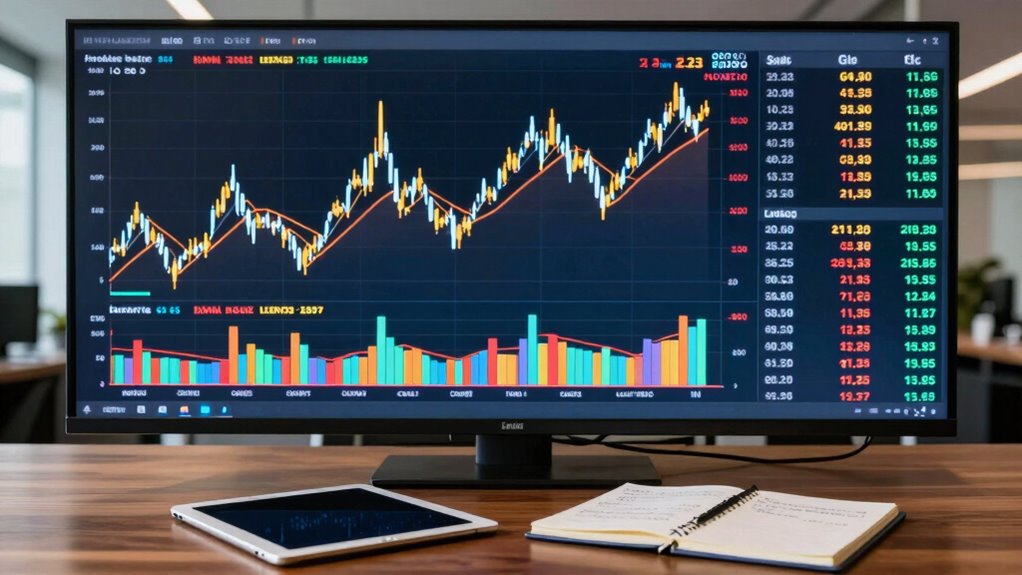
In today’s digital economy, commodity prices are more dynamic and interconnected than ever before. You might think that with rapid technological advances and digital currencies, traditional commodities like oil, gold, and agricultural products are losing their significance. However, their importance remains vital because they serve as foundational elements in global markets, influencing everything from inflation rates to geopolitical stability. As digital currencies gain traction, they impact commodity prices by offering new ways to buy, sell, and hedge against market fluctuations. Blockchain integration, in particular, is transforming how commodities are tracked and traded, increasing transparency and reducing fraud. This technology allows for real-time updates on commodity provenance and ownership, which helps traders and investors make more informed decisions. Despite the rise of digital currencies, physical commodities still embody tangible value, and their prices reflect supply and demand fundamentals that digital assets can’t fully replicate.
You should recognize that commodity prices continue to influence economic policies and investment strategies. Governments and central banks monitor these prices closely because they impact inflation, currency stability, and national reserves. When digital currencies become more prevalent, they introduce new complexities, but they don’t eliminate the fundamental role commodities play in the economy. Instead, they add layers of digital transactions that, in some cases, make commodity trading more efficient. For instance, blockchain integration enables faster settlement times and reduces reliance on intermediaries, which can lower costs and increase market liquidity. This impact on the digital currency market can ripple back to commodity prices, especially when digital assets are used as collateral or investment vehicles. Additionally, the digital infrastructure supporting these innovations continues to evolve, further shaping the future landscape of commodity trading.
Furthermore, commodity prices still serve as key indicators of global economic health. If prices rise sharply, it signals increased demand or supply constraints, prompting investors to adjust their portfolios accordingly. Digital currencies and blockchain technology don’t replace these signals; they complement them by providing new tools for market participation. For example, digital currencies can be used to buy commodities directly or hedge against inflation, but their influence doesn’t negate the fundamental supply-demand dynamics that determine commodity prices. Ultimately, the ongoing integration of blockchain and digital currencies enriches the landscape, but it doesn’t diminish the significance of commodity prices. They remain essential benchmarks for economic activity, market confidence, and investment decision-making—elements that technology enhances but does not replace.
Popular right now

Shark Navigator Robot Vacuum with Self-Empty Base, Dark Grey (RV2120AE)

TCL 85-Inch QM6K Series QLED Mini LED 4K HDR Smart Google TV

Breville Bambino Espresso Machine, Brushed Stainless Steel
As an affiliate, we earn on qualifying purchases.
Frequently Asked Questions
How Do Commodity Prices Influence Digital Currency Markets?
You should know that commodity prices influence digital currency markets by affecting cryptocurrency hedging strategies and digital commodity trading. When commodity prices fluctuate, they can impact the value of cryptocurrencies linked to commodities or used as collateral. This, in turn, affects investors’ decisions, market stability, and liquidity. So, understanding commodity price trends helps you manage risks and optimize your digital trading practices in the evolving economy.
Can Digital Assets Replace Traditional Commodities?
Digital assets can’t fully replace traditional commodities because they lack the tangible, physical value that fuels global markets. While virtual assets and blockchain commodities offer innovative investment opportunities, they remain speculative and volatile. You can think of them as digital shadows of real-world assets, providing flexibility but not the true stability or utility that physical commodities like oil or gold deliver. They complement rather than replace traditional commodities in the economy.
What Role Do Commodities Play in Global Supply Chains Today?
You see, commodities play a crucial role in global supply chains today, acting as foundational materials for various industries. They enable commodity substitution when digital assets fall short, ensuring supply chain resilience. By sourcing raw materials like metals, oil, and agricultural products, you maintain stability and flexibility in your operations. This balance helps you adapt to market fluctuations and keeps your supply chains robust amid changing technological landscapes.
How Do Geopolitical Events Impact Commodity Prices in a Digital Economy?
You might be surprised, but 70% of commodity price fluctuations are linked to geopolitical events. When geopolitical instability occurs, it often disrupts supply chains, causing prices to spike or plummet. Trade sanctions and conflicts directly impact access to essential resources, making geopolitical stability imperative for maintaining predictable commodity prices. In a digital economy, these shifts influence market confidence and investment, showing that geopolitics still profoundly shape commodity markets today.
Are There Emerging Commodities Relevant to the Digital Economy?
Yes, emerging minerals like lithium, cobalt, and rare earth elements are increasingly relevant for the digital economy because they power batteries and electronics. You should also pay attention to data commodities—such as cloud storage, bandwidth, and data centers—as digital assets grow in value. These commodities influence supply chains, technology development, and market prices, making them essential for understanding the future of economic growth in a digital world.
Conclusion
Despite living in a digital age, commodity prices still hold weight. They impact everything from your grocery bill to global markets. Did you know that in 2022, oil prices soared by over 50%, causing ripple effects worldwide? This shows how vital traditional commodities remain, even as technology advances. Staying aware of these prices helps you understand the broader economy, reminding you that digital progress doesn’t render old-world factors irrelevant—they still shape your everyday life.