Eco-friendly materials like reclaimed wood, bamboo, and cork help you make sustainable choices for your home or projects. Reclaimed wood repurposes old materials, reducing waste and deforestation. Bamboo grows quickly and regenerates fast, making it a renewable resource for many uses. Cork is harvested from bark without harming trees, offering eco-conscious insulation and décor options. If you explore further, you’ll discover how these materials can benefit both the environment and your space.

Get everyday essentials delivered free with Prime
- Fast, free delivery on millions of items
- Prime Video, Amazon Music and more included
- Member-only deals all year
Key Takeaways
- Reclaimed wood repurposes old materials, reducing waste and deforestation while adding rustic character.
- Bamboo is a fast-growing, renewable resource suitable for sustainable flooring and furniture.
- Cork is harvested from living trees without harm, supporting ecosystem health and carbon sequestration.
- All three materials promote circular use, lower environmental impact, and contribute to sustainable sourcing practices.
- Their unique properties and eco benefits make reclaimed wood, bamboo, and cork ideal eco-friendly building choices.
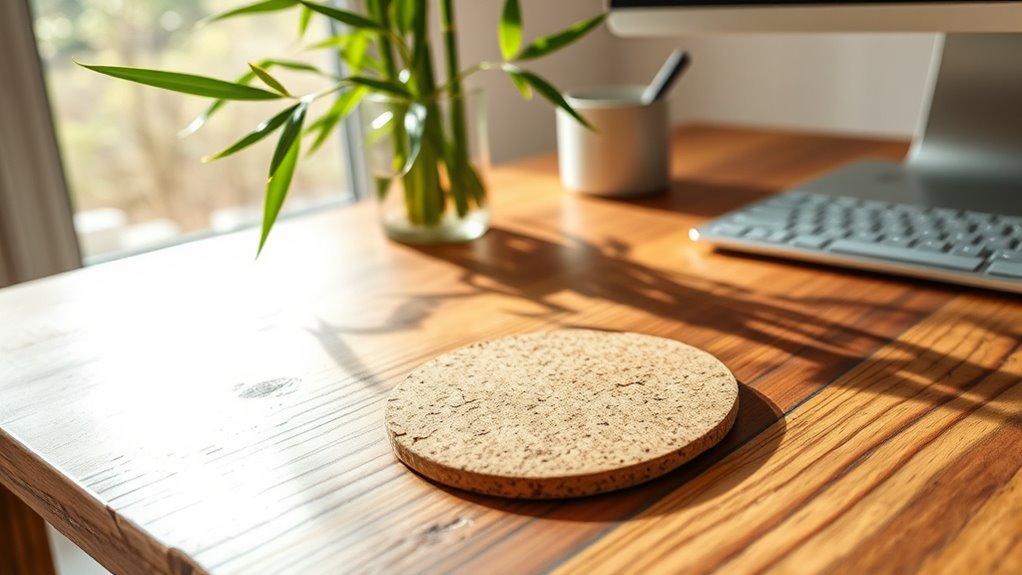
As awareness of environmental issues grows, more people are turning to eco-friendly materials to reduce their ecological footprint. You’re probably looking for options that not only serve your needs but also support the health of the planet. Reclaimed wood, bamboo, and cork stand out as excellent choices because they promote sustainable sourcing and minimize environmental impact. These materials are renewable, responsibly harvested, and often repurposed, making them ideal for eco-conscious projects.
Starting with reclaimed wood, you benefit from its rich history and reduced need for new timber. Instead of cutting down fresh trees, you reuse wood from old buildings, furniture, or industrial debris. This process prevents unnecessary deforestation and reduces waste, directly lowering the environmental impact of your projects. When you choose reclaimed wood, you’re supporting sustainable sourcing practices because it makes use of existing resources rather than depleting forests. Its character and unique imperfections add charm and authenticity to your space. Plus, because it’s recycled, you’re reducing the demand for newly harvested timber, which further preserves natural habitats and reduces greenhouse gas emissions associated with logging and manufacturing. Incorporating reclaimed wood also helps to reduce waste and encourages circular use of materials.
Reclaimed wood reduces waste, prevents deforestation, and adds character while supporting sustainable sourcing practices.
Bamboo is another outstanding eco-friendly material that emphasizes rapid renewability. As you might know, bamboo grows incredibly fast—some species can reach maturity in just three to five years—making it a highly sustainable resource. Its quick growth cycle means you can harvest bamboo repeatedly without causing long-term damage to ecosystems, thereby reducing environmental impact. When you select bamboo products, you’re choosing a material that’s harvested with minimal environmental disruption. Its natural strength and flexibility make it suitable for a wide range of applications, from flooring to furniture. By opting for bamboo, you’re supporting sustainable sourcing practices that prioritize plant regeneration and low-impact harvesting, helping to preserve biodiversity and reduce deforestation.
Cork is another eco-friendly option that’s harvested from the bark of cork oak trees. What’s remarkable about cork is that the harvesting process doesn’t harm the tree; instead, the bark naturally regenerates over time, allowing for repeated harvests every nine years. This makes cork a renewable resource that’s harvested with environmental impact in mind. When you choose cork, you’re supporting sustainable sourcing because the trees remain alive and healthy, contributing to carbon sequestration and habitat stability. Cork’s versatility and insulating properties make it popular for flooring, wall coverings, and accessories. By selecting cork, you’re not just opting for a sustainable material—you’re actively contributing to ecosystems’ health and reducing the ecological footprint associated with less eco-friendly options.
As an affiliate, we earn on qualifying purchases.
Frequently Asked Questions
How Durable Are Reclaimed Wood, Bamboo, and Cork Compared to Traditional Materials?
Reclaimed wood, bamboo, and cork are quite durable, often comparable to traditional materials. Reclaimed wood, when properly maintained, withstands wear and tear well, though it may require regular sealing. Bamboo is strong and flexible, making it resilient with minimal maintenance. Cork, while softer, resists dents and mold, but needs occasional sealing to maintain durability. Overall, their durability comparisons depend on usage and upkeep, but they generally perform well with proper care.
Are There Any Health Concerns With Eco-Friendly Building Materials?
You might have concerns about health when choosing eco-friendly building materials, but generally, reclaimed wood, bamboo, and cork emit fewer chemical emissions than traditional options. They also help reduce indoor allergens by preventing mold and dust buildup. However, guarantee proper sourcing and treatment to avoid potential contamination from pesticides or chemicals used during processing. Overall, these materials can be a safer, healthier choice for your indoor environment.
What Is the Cost Difference Between Eco-Friendly and Conventional Materials?
You’ll find eco-friendly materials like reclaimed wood, bamboo, and cork often cost 10-20% more upfront than conventional options. However, their durability and lower maintenance can lead to significant economic benefits over time. The cost comparison varies by project, but investing in sustainable materials supports eco-conscious building and can reduce long-term expenses, making them a smart choice for environmentally aware builders seeking both savings and sustainability.
How Do These Materials Impact Indoor Air Quality?
Using reclaimed wood, bamboo, and cork can improve your indoor air quality by reducing VOC emissions common in traditional materials. These eco-friendly options emit fewer allergens and chemicals, helping you breathe easier and create a healthier living environment. You’ll notice fewer allergy triggers and less indoor pollution, making your space safer and more comfortable. Switching to these materials supports better allergen reduction and guarantees cleaner air for you and your family.
Can Reclaimed Wood and Cork Be Recycled or Repurposed After Use?
Think of reclaimed wood and cork as treasure chests with endless reuse potential. After their initial use, you can recycle or repurpose them through creative reuse strategies, turning old materials into new furniture or decor. Their recycling potential keeps them out of landfills, extending their life cycle. By embracing reuse strategies, you help conserve resources and reduce waste, transforming what seems like an end into a new beginning for these eco-friendly materials.
As an affiliate, we earn on qualifying purchases.
Conclusion
By choosing reclaimed wood, bamboo, and cork, you’re not just making an eco-friendly choice—you’re revolutionizing the planet’s future! Every small step you take with these materials can save forests, reduce waste, and combat climate change on a scale that’s almost unbelievable. Imagine the impact if everyone jumped on board—your simple decision could turn the tide and change the world forever. So go ahead, be a hero for Earth with these incredible sustainable materials!
As an affiliate, we earn on qualifying purchases.
eco-friendly reclaimed wood decor
As an affiliate, we earn on qualifying purchases.
As an affiliate, we earn on qualifying purchases.
Halloween Picks
halloween
As an affiliate, we earn on qualifying purchases.