
To design a productive home office, prioritize ergonomic furniture that supports your posture and reduces strain, like adjustable desks and lumbar-support chairs. Optimize lighting by combining natural light with layered LED lights and task lamps to stay alert. Keep your workspace organized with storage solutions and clutter-free surfaces, while incorporating personal touches like plants. Use smart technology to automate lighting and climate control for added comfort. Explore more ideas to create a workspace tailored to your needs.
Key Takeaways
- Prioritize ergonomic furniture that supports posture and reduces strain during long work sessions.
- Maximize natural light and layer lighting solutions to boost alertness and reduce eye strain.
- Maintain a clutter-free workspace with smart storage solutions to enhance focus and professionalism.
- Incorporate IoT devices and technology to automate environment controls, optimizing comfort and efficiency.
- Personalize your workspace and regularly adapt it to improve comfort, productivity, and reflect your work habits.

As remote work becomes the new normal, Home Offices 2.0 are transforming the way you work from home. Gone are the days of cluttered corners and makeshift setups; now, your workspace needs to be intentional, comfortable, and efficient. To achieve this, investing in ergonomic furniture is essential. Ergonomic chairs and desks are designed to support your posture and reduce strain, helping you stay focused longer without discomfort. Look for adjustable desks that allow you to switch between sitting and standing positions, and select chairs with lumbar support to prevent back pain. The right furniture doesn’t just boost comfort—it enhances your productivity and overall well-being.
Creating an ergonomic home workspace boosts comfort, focus, and overall well-being.
Lighting solutions play a vital role in creating a workspace that energizes you and minimizes eye strain. Natural light is ideal, so position your desk near windows if possible, and keep window coverings adjustable to control glare. When natural light isn’t enough, supplement with layered lighting—combining ambient, task, and accent lights. Bright, white LED bulbs mimic daylight and help keep you alert during long work sessions. Consider task lights with adjustable arms or dimming features so you can customize the brightness to suit your needs. Proper lighting reduces fatigue and helps you maintain focus, making your home office more inviting and functional.
Designing a productive workspace also means paying attention to layout and organization. Clear clutter from your desk to foster a sense of calm and concentration. Use storage solutions like shelves, drawers, and cable organizers to keep everything within reach but out of sight when not in use. An uncluttered environment minimizes distractions and helps you maintain a professional mindset, even if you’re working in a small space. Incorporate personal touches—such as plants or artwork—to make your workspace inviting without overwhelming it. These small elements can boost your mood and creativity, making it easier to stay motivated. Integrating smart IoT technologies can further enhance your setup by automating lighting and climate controls, creating an optimized environment for work and relaxation.
Finally, remember that your home office should reflect your work habits and personality. Tailor your ergonomic furniture and lighting solutions to suit your specific needs, and don’t hesitate to experiment until you find the perfect setup. Regularly reassess your workspace—what works today might need adjustment tomorrow. With thoughtful planning and smart investments in comfort and illumination, your Home Offices 2.0 can become a dynamic environment that promotes productivity, health, and satisfaction. This approach guarantees that your workspace isn’t just functional but also a place where you enjoy spending time and doing your best work.
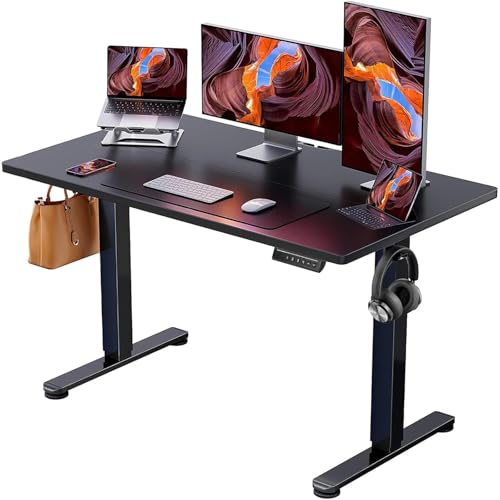
ErGear Height Adjustable Electric Standing Desk, 48 x 24 Inches Sit Stand up Desk, Memory Computer Home Office Desk, Black
Electric Height Adjustable Standing Desk for Comfortable Work – Switch effortlessly between sitting and standing with this electric…
As an affiliate, we earn on qualifying purchases.
As an affiliate, we earn on qualifying purchases.
Frequently Asked Questions
How Can I Reduce Distractions in a Home Office?
To reduce distractions in your home office, create distraction-free zones and use sound masking technology to minimize noise. Set clear boundaries with family or housemates during work hours, and keep your workspace organized to avoid clutter. Use noise-canceling headphones if necessary, and establish specific work times to stay focused. These strategies help you stay productive by limiting interruptions and maintaining a calm, focused environment.
What Are the Best Ergonomic Furniture Options?
You’ll love the irony of choosing ergonomic furniture—because who wants discomfort? Opt for an ergonomic chair that supports your back and promotes good posture, even during long hours. Pair it with an adjustable desk to switch between sitting and standing effortlessly. These options help reduce strain and boost productivity, making your workspace both comfortable and functional. After all, comfort shouldn’t be a luxury; it’s a necessity.
How Do I Improve Lighting for Productivity?
You can improve lighting for productivity by maximizing natural light and adding task lighting. Position your desk near windows to take advantage of daylight, which boosts focus and mood. Use adjustable desk lamps or LED task lights to eliminate shadows and reduce eye strain during work or reading. Combining natural light with targeted task lighting creates a well-lit environment that keeps you alert and enhances your overall efficiency throughout the day.
How Can I Incorporate Personal Style Without Clutter?
Don’t be a prisoner of your past; instead, blend personal decor with clutter management. You can showcase your style through carefully chosen accessories, artwork, or color accents that reflect your personality. Use storage solutions like stylish bins or shelves to keep clutter at bay. This way, your workspace remains inspiring and organized, allowing your personal style to shine without creating chaos. Keep it simple and intentional to strike the perfect balance.
What Technology Essentials Boost Remote Work Efficiency?
You can boost remote work efficiency by investing in essential technology like a reliable laptop and high-speed internet. Utilize virtual collaboration tools such as Zoom or Microsoft Teams to stay connected and productive. Cloud storage services like Google Drive or Dropbox allow you to access files seamlessly from anywhere. These tools streamline communication, guarantee easy file sharing, and keep your workflow smooth, helping you stay focused and efficient in your home office.
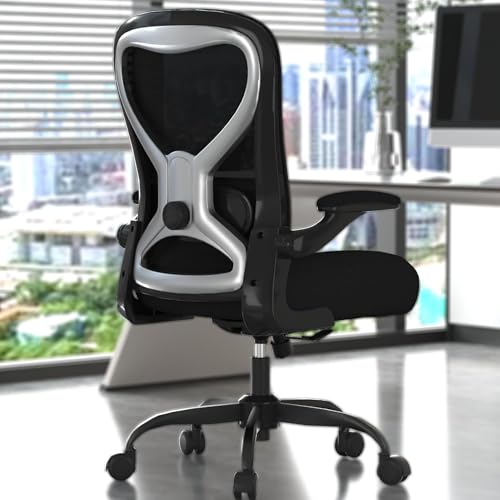
CASASIO Office Desk Chair with Ergonomic Lumbar Support, Extra-Thick Seat Cushion, Flip-up Arms, Breathable Mesh Back, Computer Task Chair for Home Office
【𝐀𝐧 𝐞𝐫𝐠𝐨𝐧𝐨𝐦𝐢𝐜 𝐜𝐡𝐚𝐢𝐫 𝐭𝐡𝐚𝐭 𝐚𝐜𝐭𝐮𝐚𝐥𝐥𝐲 𝐡𝐚𝐬 𝐲𝐨𝐮𝐫 𝐛𝐚𝐜𝐤】The lumbar support actually moves up, down, in, and out—so no…
As an affiliate, we earn on qualifying purchases.
As an affiliate, we earn on qualifying purchases.
Conclusion
Remember, a well-designed home office isn’t just about looks—it’s about creating a space where you can thrive. By paying attention to your environment, you set the stage for productivity and balance. Don’t forget, “A stitch in time saves nine,” meaning investing effort now pays off later. So, take the time to craft your perfect workspace; it’ll make all the difference in how you work and feel every day.

Lepro LED Desk Lamp for Home Office, 9.5W 750LM Metal Touch Control Desk Light, 5 Color Modes 5 Brightness Level, Eye Caring Task Lamp For Reading, Sewing, Crafts, School Supplies, Puzzle Light, Black
Multiple Lighting Choices. This led desktop lamp offers 5 lighting modes that can each be paired with one…
As an affiliate, we earn on qualifying purchases.
As an affiliate, we earn on qualifying purchases.
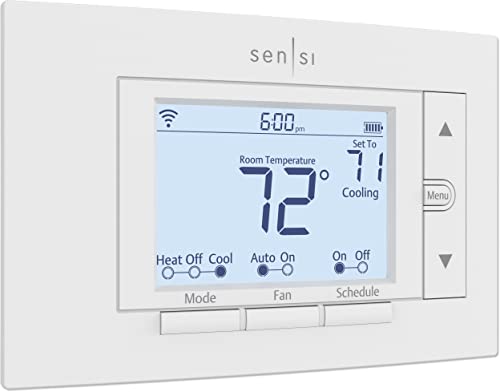
Sensi Smart Thermostat, 100 Years Of Expertise, Wi-Fi, Data Privacy, Programmable, Easy DIY Install, Works With Alexa, Energy Star Certified, Mobile App, ST55
PRIVACY PROTECTION*: Sensi won’t sell your personal information to third parties
As an affiliate, we earn on qualifying purchases.
As an affiliate, we earn on qualifying purchases.