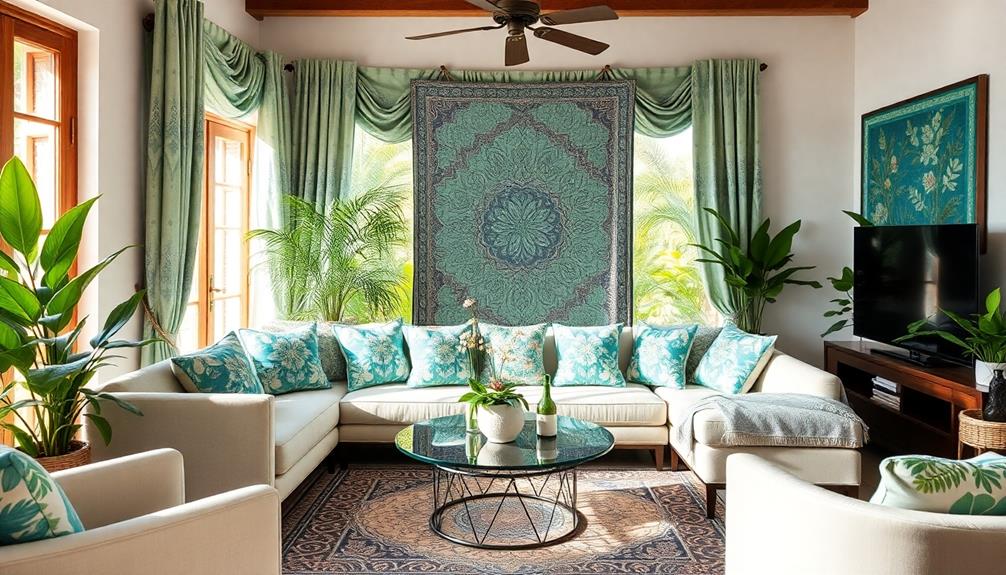
Japandi style blends Scandinavian minimalism with Japanese warmth, perfect for creating a space that’s both simple and cozy. You’ll find clean lines, natural materials, and neutral colors that foster calm. Incorporate handcrafted wooden furniture and woven textiles to add personality and tactile warmth. This style balances practicality with aesthetic beauty, making your environment feel peaceful yet inviting. Keep exploring to discover how you can infuse your space with this harmonious, stylish charm.
Key Takeaways
- Japandi combines sleek minimalism with warm, cozy elements like textured textiles and handcrafted wooden furniture.
- Neutral color palettes and natural materials create a calm, inviting atmosphere.
- Clean lines and uncluttered surfaces emphasize simplicity while incorporating tactile warmth.
- Cozy touches such as woven accents and soft textiles add personality without sacrificing minimalism.
- The style balances practical, functional design with aesthetic beauty and emotional comfort.

Japandi style seamlessly blends the minimalism of Japanese design with the cozy warmth of Scandinavian aesthetics. When you step into a space decorated in Japandi, you immediately notice how it balances simplicity with comfort. You’re drawn to the clean lines and uncluttered surfaces, yet you also feel a sense of inviting warmth that makes you want to settle in. This style is all about creating a harmonious environment where form meets function, and every piece serves a purpose without sacrificing beauty.
One of the standout features of Japandi is its incorporation of Scandinavian influences. These influences are visible in the use of light, neutral color palettes, and the emphasis on natural materials. Think soft beiges, warm greys, and muted earth tones that reflect the Scandinavian love for simplicity and understated elegance. You’ll see how these colors help brighten the space and foster a calming atmosphere. The Scandinavian influence also extends to the furniture’s functional design—pieces are sleek, practical, and often feature smooth curves or clean, geometric shapes that align with the minimalist ethos.
At the same time, Japandi celebrates traditional craftsmanship, which you can see in the quality and detail of each piece. Handcrafted wooden furniture, woven textiles, and artisanal decor add a layer of authenticity and personality. When you touch these items, you notice the careful craftsmanship—whether it’s the smooth finish of a wooden table or the intricate weaving of a textile. This focus on traditional craftsmanship gives the space a sense of history and depth, grounding the minimalist aesthetic with a tactile warmth. It’s about appreciating the time and skill that go into each object, making every piece feel special and intentional.
You’ll find that the combination of Scandinavian influences and traditional craftsmanship results in a space that’s both modern and timeless. The minimalist approach ensures your home remains clutter-free and serene, while the cozy elements invite you to relax and feel at home. This balance allows you to enjoy a stylish environment without feeling overwhelmed. The natural materials and handcrafted details serve as a gentle reminder of the beauty in simplicity and tradition, encouraging you to slow down and appreciate the finer, more subtle aspects of your surroundings.
In essence, Japandi style offers you a thoughtfully curated space that marries the best of both worlds—Scandinavian influences bring brightness and practicality, while traditional craftsmanship adds warmth and personality. It’s a style that champions simplicity, comfort, and authenticity, making your home not just visually appealing but also emotionally nurturing. Embracing attention in your creative practice can help you cultivate a deeper appreciation for these subtle details, enhancing the overall aesthetic and emotional impact of your space.
Frequently Asked Questions
How Can I Incorporate Sustainable Materials Into Japandi Decor?
You can incorporate sustainable materials into Japandi decor by choosing furniture made from sustainable wood sourcing, ensuring it’s responsibly harvested. Opt for eco-friendly textiles like organic cotton, linen, or hemp for cushions, curtains, and throws. Incorporate natural, low-impact finishes and dyes to keep your space eco-conscious. These choices enhance the minimalist aesthetic while maintaining an environmentally friendly approach, creating a warm, inviting atmosphere with a focus on sustainability.
What Are Common Color Palettes Used in Japandi Interiors?
You might think bold colors are necessary, but Japandi interiors often use calming neutral tones and earthy shades that promote relaxation. Picture a space filled with soft beige, warm taupe, and muted greens, creating a serene atmosphere. These colors blend simplicity with warmth, making your home feel cozy yet uncluttered. Embrace this palette to evoke tranquility and harmony, perfectly balancing minimalist elegance with inviting comfort.
How Do I Balance Minimalism With Coziness in Japandi Design?
You can balance minimalism with coziness in Japandi design by adding seasonal decorations that bring warmth and charm without clutter. Incorporate soft, warm lighting to create a welcoming ambiance, and choose textured textiles like throws or cushions for comfort. Keep your space uncluttered but inviting, using natural materials and simple decor to blend minimalism with cozy touches seamlessly. This approach makes certain your space feels both calm and inviting.
Can Japandi Style Work in Small Apartments?
Ever wondered if Japandi style fits in small apartments? Absolutely! You can create a cozy, minimalist space by choosing space-saving furniture and smart lighting solutions. Opt for multi-functional pieces that maximize every inch and use warm, ambient lighting to make the space inviting. Wouldn’t you love a serene, stylish apartment that feels spacious and comfortable? With thoughtful choices, Japandi effortlessly adapts to small living areas.
What Are Essential Furniture Pieces for a Japandi Space?
You need essential furniture pieces like a low-profile sofa, a simple wooden coffee table, and a sleek dining table to create a Japandi space. Keep decorative accessories minimal—think ceramics or woven baskets—to add warmth. Opt for soft, ambient lighting choices like paper lanterns or warm LED fixtures to enhance coziness. Prioritize clean lines and natural materials, ensuring each piece balances functionality with aesthetic harmony.
Conclusion
Embracing Japandi style means finding beauty in simplicity while adding cozy touches that make your space inviting. Remember, “Less is more,” and with this design, you create a calming retreat that feels warm and balanced. By blending minimalist lines with comfy accents, you’ll craft a home that’s both stylish and soothing. So go ahead—trust the process, and let your space reflect serenity and effortless elegance. Your perfect Japandi haven awaits!