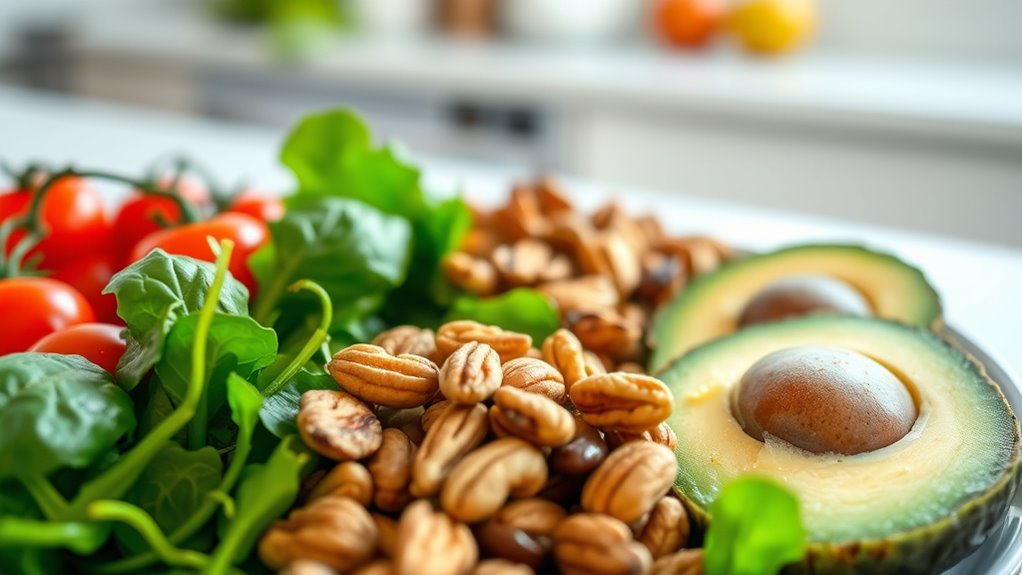
Many nutrition myths can lead you astray. For example, intermittent fasting isn’t a magic cure but varies per person, and plant-based diets aren’t automatically healthier—balance is key. Avoid believing that cutting carbs or fats completely helps with weight loss; instead, focus on nutrient-rich sources. Not all calories are equal, so prioritize whole, unprocessed foods. Supplements can help but shouldn’t replace a balanced diet. Exploring these facts can guide you toward smarter choices and better health.
Key Takeaways
- Not all fats and carbs need to be avoided; focus on nutritious sources rather than total exclusion.
- Intermittent fasting can be effective for some, but it’s not a universal solution—listen to your body and seek professional advice.
- Plant-based diets are healthy but require balance; they are not inherently superior to diets including various food groups.
- Calories vary in quality; prioritize whole, unprocessed foods to maximize satiety and nutrient intake.
- Supplements should complement a balanced diet, not replace diverse, wholesome foods for optimal nutrition.

Have you ever wondered if everything you’ve heard about healthy eating is true? With so many conflicting messages out there, it’s easy to feel overwhelmed or confused about what’s actually good for you. One common myth is that you need to follow strict diets or eliminate entire food groups to stay healthy. In reality, understanding the facts can help you make smarter choices without feeling deprived. For example, some believe that intermittent fasting is a miracle solution for weight loss and health, but it’s not a one-size-fits-all approach. While many people find success with it, it’s not necessary for everyone, and it’s important to listen to your body and consult health professionals before adopting such a routine. This method involves cycling between periods of eating and fasting, which can help manage calorie intake and improve metabolic health for some, but it’s not a magic fix. Similarly, the idea that plant-based diets are automatically healthier or that you must go fully vegan or vegetarian isn’t entirely accurate. Incorporating more plant foods into your meals can certainly boost nutrient intake and reduce processed foods, but balance is key. A well-rounded diet that includes a variety of foods—whether plant-based or not—can be just as nutritious. Many myths suggest that you need to completely cut out carbs or fats to lose weight, yet both macronutrients are essential for your body’s functioning. Carbohydrates provide energy, while healthy fats support brain health and hormone production. The problem arises when people choose processed, high-sugar, or trans-fat-laden foods instead of nutritious options. Another misconception is that all calories are created equal, but the quality of those calories matters just as much as quantity. Whole, unprocessed foods tend to fill you up more and provide better nutrition than empty-calorie snacks. It’s also common to hear that supplements can replace whole foods, but they’re meant to complement, not substitute, a balanced diet. Relying solely on pills can lead to deficiencies or unbalanced nutrition. Additionally, understanding the significance of projector image quality and how it impacts your overall health and well-being can help you make more informed dietary choices. Ultimately, the truth is that there’s no single diet or eating pattern suitable for everyone. The best approach involves understanding your body’s needs, preferences, and lifestyle, then making informed choices. So, instead of blindly following trends or myths, focus on eating a variety of wholesome foods, staying active, and listening to what your body tells you. That way, you can develop sustainable habits that support your health long-term.
Frequently Asked Questions
Do All Fats Contribute to Weight Gain?
Not all fats contribute equally to weight gain. Healthy fats, like those in avocados and nuts, are beneficial when included in your diet and don’t necessarily lead to weight gain if you maintain a calorie balance. However, consuming excessive amounts of unhealthy fats, such as trans fats and certain saturated fats, can increase your calorie intake and promote weight gain. It’s all about moderation and choosing the right fat types.
Is Detoxing Necessary for Good Health?
You probably don’t need detoxing to stay healthy; your body naturally eliminates toxins. Coincidentally, juice cleanses and fasting benefits often seem tempting, but they aren’t essential for health. Instead, focus on balanced eating and hydration. Your liver and kidneys do a great job, so skipping extreme detoxes is better. Trust your body’s natural processes, and enjoy a consistent, nutritious diet to maintain good health without unnecessary cleanses.
Can Eating Late at Night Cause Weight Gain?
Eating late at night can lead to weight gain because nighttime snacking often means consuming extra calories without giving your body enough time to burn them off. While your metabolism does slow down slightly at night, it’s the extra calories from late eating that contribute to weight gain, not the timing alone. To maintain a healthy weight, focus on balanced meals and avoid unnecessary late-night snacking.
Are Artificial Sweeteners Safe Long-Term?
Artificial sweeteners are generally considered safe for long-term use, but some people worry they might cause health issues over time. While research shows they’re approved by health authorities and unlikely to cause harm in moderation, it’s wise to stay cautious. You can enjoy them without fear, but keep in mind that ongoing studies continue to examine their long-term safety. Moderation is key to avoiding any unforeseen health surprises.
Does Eating Breakfast Boost Metabolism Naturally?
Eating breakfast can boost your metabolism naturally by influencing meal timing and calorie distribution throughout the day. When you start with a healthy breakfast, you kickstart your body’s energy-burning process, helping you burn more calories overall. Skipping breakfast might slow down your metabolism temporarily, but maintaining consistent meal timing and balanced calorie intake is key to supporting a healthy metabolic rate and optimizing your body’s natural functioning.
Conclusion
Just as a sailor needs a clear map to navigate treacherous waters, you need to see through nutrition myths to reach your health destination. Don’t let false beliefs steer your ship off course; instead, trust in facts that serve as your compass. By shedding the fog of misinformation, you’ll sail smoothly toward better well-being, knowing that every choice is guided by truth, not fiction. Keep your course steady—your health voyage depends on it.