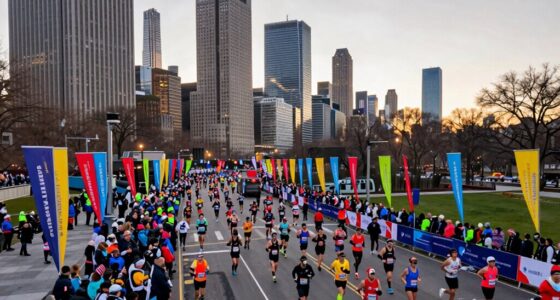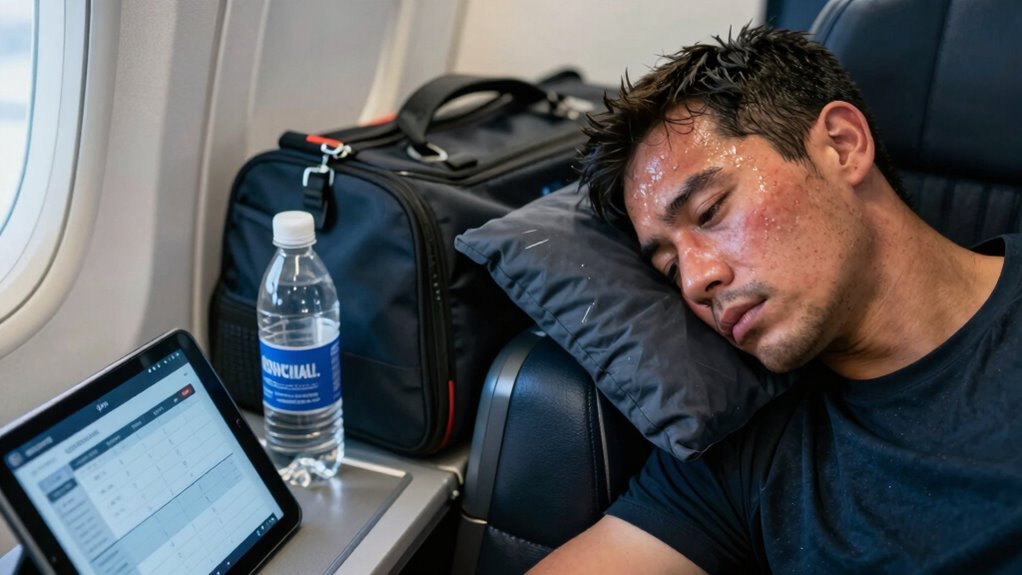

Travel schedules can profoundly impact your recovery by disrupting your sleep, nutrition, and circadian rhythm. Jet lag causes exhaustion, disorientation, and poor sleep, which slow down healing from training or injuries. Irregular meals and limited food options can weaken your immune system and decrease stamina. To stay on top of your game, you need strategic planning, light exposure, and proper nutrition. Keep exploring to discover effective ways to minimize these effects and stay resilient.

Get everyday essentials delivered free with Prime
- Fast, free delivery on millions of items
- Prime Video, Amazon Music and more included
- Member-only deals all year
Key Takeaways
- Disrupted circadian rhythms impair sleep quality, delaying physical and mental recovery.
- Irregular eating patterns from travel can lead to nutritional deficiencies, weakening immune function.
- Jet lag causes fatigue and disorientation, reducing alertness crucial for optimal performance.
- Poor hydration and inconsistent schedules hinder muscle repair and immune response.
- Effective travel management accelerates recovery and maintains athletic resilience despite travel demands.

Travel schedules can considerably impact an athlete’s recovery, especially when competitions require crossing multiple time zones or tight turnarounds. One of the most immediate challenges you face is jet lag, which disrupts your internal body clock. When you fly across several time zones, your circadian rhythm gets thrown off, leaving you feeling exhausted, disoriented, and less alert. This disruption makes it harder for your body to recover from previous training or injuries, as sleep quality diminishes and hormone levels fluctuate. The longer your travel, the more severe jet lag can become, making it essential to plan your arrival times strategically and implement light exposure and sleep adjustments to minimize its effects.
Beyond sleep disruptions, travel schedules also influence your nutritional intake, which plays a crucial role in recovery. Jet lag can mess with your appetite and digestion, leading to irregular eating patterns. You might find yourself craving comfort foods or skipping meals altogether, which deprives your body of essential nutrients needed to repair tissues and replenish energy stores. The nutritional impact extends further when you’re limited in your food options, especially during long flights or in unfamiliar environments. Poor nutrition can slow down muscle recovery, weaken your immune response, and decrease your overall stamina, all of which hinder your performance in subsequent competitions or training sessions. Additionally, maintaining a consistent sleep-wake cycle helps support your body’s natural recovery processes and reduces fatigue.
To mitigate these issues, you need to be proactive with your nutrition. Bringing healthy snacks, staying hydrated, and prioritizing balanced meals rich in proteins, carbohydrates, and healthy fats can help maintain your energy levels and support recovery. Adjust your eating schedule to align with your destination’s time zone as soon as possible, even if it feels unnatural initially. This helps your body adapt faster to the new cycle, reducing jet lag’s duration and severity. Hydration is equally important because flying dehydrates you, and dehydration further impairs recovery processes and cognitive function.
In addition, paying attention to your body’s signals is essential. Rest when needed, and don’t underestimate the importance of proper sleep hygiene, like avoiding screens before bed and creating a dark, quiet environment. Combining good sleep practices with nutritional discipline not only minimizes the physical toll of travel but also accelerates your recovery process. When you manage jet lag effectively and maintain a nutritious diet, you’re better prepared to bounce back quickly, perform at your best, and stay resilient despite the demanding travel schedules that come with competitive sports.
As an affiliate, we earn on qualifying purchases.
Frequently Asked Questions
How Does Jet Lag Specifically Impair Athletic Performance?
Jet lag impairs your athletic performance by causing circadian disruption, which throws off your sleep-wake cycle. This disruption leads to fatigue, reducing your energy levels and focus during training or competitions. Additionally, jet lag can trigger hormonal imbalance, affecting adrenaline and cortisol levels, which are essential for performance and recovery. As a result, your reaction time, strength, and endurance suffer, hindering your overall athletic output.
What Are the Best Strategies to Minimize Travel Fatigue?
Did you know athletes can lose up to 10% of their performance due to travel fatigue? To minimize it, focus on sleep optimization by maintaining a consistent sleep schedule and using blackout curtains. Nutritional strategies like staying hydrated and consuming balanced meals help sustain energy levels. Also, plan rest days after travel, and expose yourself to natural light to reset your internal clock, ensuring quicker recovery and peak performance.
How Does Travel Affect an Athlete’s Mental Health?
Travel can markedly impact your mental health by disrupting your mental resilience and sleep quality. Constantly adjusting to new time zones, environments, and routines causes stress and fatigue, making it harder to stay focused and motivated. You might feel anxious or overwhelmed, which hampers performance. Prioritizing good sleep and developing mental resilience techniques, like mindfulness, can help you manage travel’s mental toll and maintain a healthy mindset.
Are There Differences in Recovery Based on Travel Distance?
Yes, recovery varies with travel distance. Longer trips, especially across time zones, can cause altitude effects like fatigue and dehydration, hindering recovery. You might also face cultural adaptation challenges that increase stress and disrupt routines. These factors can delay muscle repair and overall performance recovery. To minimize impact, focus on proper hydration, sleep, and acclimation strategies, ensuring your body adapts efficiently regardless of travel distance.
How Do Travel Schedules Impact Injury Risk?
Travel schedules can increase your injury risk by disrupting your training routines and nutritional strategies. When you travel, you might skip workouts or alter your diet, weakening your muscles and reducing recovery. Jet lag and fatigue also impair focus and coordination, leading to accidents or strains. To minimize risks, stick to your training routines and maintain proper nutrition, even on the road, ensuring your body stays resilient and ready for competition.
As an affiliate, we earn on qualifying purchases.
Conclusion
In the end, managing travel schedules is like tending a delicate garden—you need to be attentive to every detail to help your body recover and thrive. By planning rest, adjusting to time zones, and staying consistent, you give yourself the best shot at bouncing back stronger. Remember, every journey is an opportunity to learn what your body needs, so treat your recovery like a precious treasure—because it truly is. Keep your focus, and you’ll come out on top.
As an affiliate, we earn on qualifying purchases.
As an affiliate, we earn on qualifying purchases.
Columbus Day / Indigenous Peoples' Day Picks
long weekend sales
As an affiliate, we earn on qualifying purchases.