You see women’s sports audiences growing because media coverage is increasing, making games more accessible and visible. Digital platforms and social media let you connect with athletes and get behind-the-scenes content that makes the sports more engaging. Sponsorships are rising, boosting the quality of competitions and adding more energy to events. As visual presentation and cultural representation improve, the popularity continues to expand. Stick around—there’s much more to uncover about how these changes are shaping the future.

Get everyday essentials delivered free with Prime
- Fast, free delivery on millions of items
- Prime Video, Amazon Music and more included
- Member-only deals all year
Key Takeaways
- Increased media coverage and accessibility make women’s sports more visible and appealing to broader audiences.
- Enhanced storytelling and behind-the-scenes content deepen fans’ emotional connections with athletes and teams.
- Growing sponsorship investments boost the quality, visibility, and professionalism of women’s sports events.
- Digital and social media platforms facilitate direct engagement and global access, expanding the fan base.
- High-quality visuals and authentic representation promote cultural relevance and support the sports’ popularity.
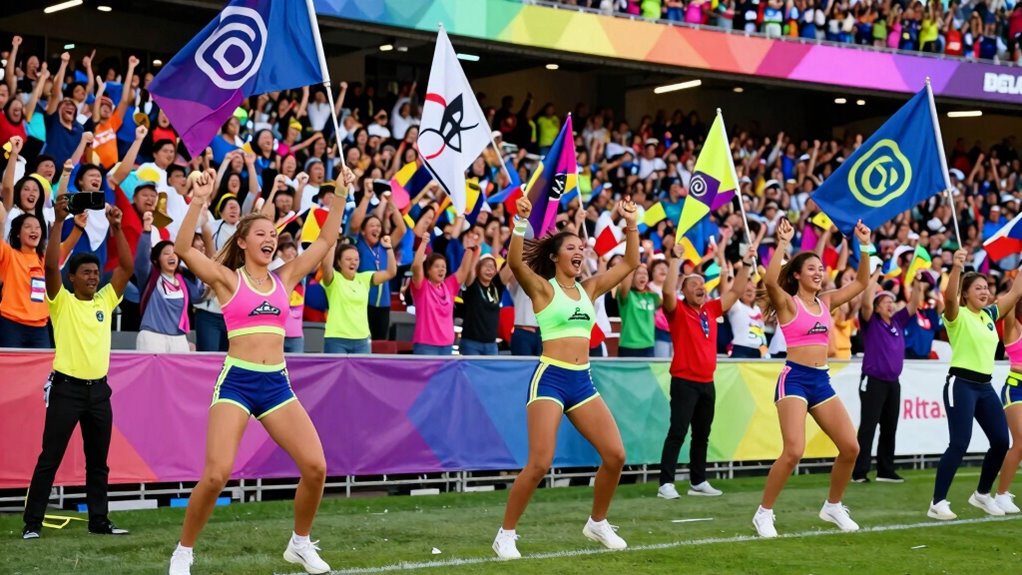
Women’s sports audiences are experiencing unprecedented growth, capturing the attention of fans across the globe. This surge isn’t accidental; it’s driven by a combination of increased media coverage and the expanding sponsorship opportunities that come with it. As more networks and digital platforms dedicate time and resources to women’s sports, you’re likely to notice a shift in visibility and overall interest. This heightened media presence helps fans like you connect more deeply with athletes and teams, making the games more accessible and engaging than ever before. With broadcasts on major channels and streaming services, women’s sports are breaking out of niche markets and becoming mainstream entertainment, which fuels further enthusiasm among viewers.
Thanks to this expanded media coverage, you’re now exposed to stories, highlights, and behind-the-scenes content that weren’t as readily available in the past. This increased exposure helps dispel stereotypes and showcases the skill, dedication, and competitive spirit of female athletes. When media outlets prioritize coverage of women’s sports, it not only elevates the athletes’ profiles but also encourages brands and companies to see the value in investing. As a result, sponsorship opportunities are multiplying, leading to better funding, improved facilities, and more professional development for female athletes. These investments create a ripple effect, enhancing the quality of competitions and attracting even larger audiences. Additionally, increased media diversity has contributed to a broader representation of women’s sports across various platforms, further amplifying their reach. This evolving landscape also benefits from the rise of digital streaming, making it easier for fans worldwide to access and enjoy the games. Moreover, the growth of social media platforms allows athletes and leagues to directly engage with fans, fostering a stronger community and increasing interest in women’s sports.
You might also notice that sponsorships now target women’s sports more intentionally. Companies are recognizing the growing consumer interest and are enthusiastic to associate their brands with the positive values these sports promote—such as empowerment, resilience, and community. When media coverage increases, color accuracy in broadcasts becomes more important, ensuring that visuals are vibrant and true to life, which further enhances viewer engagement. This emphasis on high-quality visuals aligns with the increasing importance of cultural representation in media, helping to present women’s sports in a more authentic and respectful manner. When you see new merchandise, advertisements, or sponsored events tied to women’s sports, it’s a sign of this evolving landscape. These sponsorship opportunities not only boost the financial health of women’s leagues but also encourage more athletes to pursue their passions full-time. This cycle of increased media coverage and sponsorship investment feeds into the rising popularity of women’s sports, making it a compelling time for you as a fan to get involved.
As an affiliate, we earn on qualifying purchases.
Frequently Asked Questions
How Do Social Media Influence Women’s Sports Viewership?
Social media profoundly influences women’s sports viewership by boosting audience engagement and making content more accessible. You can follow teams, athletes, and leagues directly, getting real-time updates, behind-the-scenes looks, and highlights. This constant connection encourages you to stay interested and share content with others, expanding the audience. Social media creates a community where fans feel involved, which ultimately increases viewership and support for women’s sports.
What Role Do Universities Play in Promoting Women’s Sports?
Universities play a crucial role in promoting women’s sports through dynamic campus programs and initiatives. Picture students rallying behind their teams, inspiring a new generation of fans. These efforts increase visibility, foster community spirit, and challenge stereotypes. By investing in women’s athletics, universities create a lasting impact, turning audiences into passionate supporters. Your involvement in these programs helps elevate women’s sports, ensuring their growth continues beyond the campus.
How Do Sponsorships Impact Women’s Sports Popularity?
Sponsorships boost women’s sports popularity by increasing visibility and credibility. When brands form partnerships and invest in athlete endorsements, they draw more attention from fans and media. These collaborations help showcase female athletes, making their sports more mainstream. As a result, audiences grow, ticket sales increase, and sponsorships create a positive feedback loop that fuels further interest and support for women’s sports.
What Are the Barriers Still Facing Women’s Sports Audiences?
You might face barriers like lingering gender stereotypes that undermine women’s sports, making it harder for audiences to fully engage. These stereotypes can influence perceptions and limit visibility, reducing audience interest. Additionally, a lack of consistent audience engagement strategies can hinder growth. Overcoming these obstacles requires challenging stereotypes and creating inclusive, engaging content that appeals to diverse viewers, helping to increase support and broaden the audience base for women’s sports.
How Does Media Coverage Affect Women’s Sports Growth?
Media coverage plays a vital role in women’s sports growth. When media narratives highlight athletes’ achievements and focus on skill, it boosts audience interest. However, coverage bias often skews perceptions, emphasizing gender differences over talent. This juxtaposition influences public perception, either inspiring new fans or reinforcing stereotypes. By improving coverage bias and showcasing women’s sports equally, media can fuel growth and attract diverse audiences enthusiastic to support women’s athletic excellence.
As an affiliate, we earn on qualifying purchases.
Conclusion
You see the passion, you feel the excitement, and you witness the rise. Women’s sports audiences are growing because they’re embracing the thrill, supporting the athletes, and celebrating the achievements. As interest spreads, as voices amplify, and as fans unite, the momentum continues. Your support fuels this movement, your enthusiasm drives change, and your presence makes the difference. Together, you’re shaping a future where women’s sports are celebrated, respected, and unstoppable.
sports photography camera for women
As an affiliate, we earn on qualifying purchases.
As an affiliate, we earn on qualifying purchases.
As an affiliate, we earn on qualifying purchases.
Halloween Picks
halloween
As an affiliate, we earn on qualifying purchases.