Battery passport standards help you track every electron from raw material extraction to the final motor. They guarantee transparency about the origin, components, and lifecycle of batteries, promoting responsible sourcing and recycling. By providing clear, standardized data, these passports support sustainability goals and supply chain integrity. They also help verify safety, quality, and environmental compliance. Keep exploring to discover how these standards create responsible, eco-friendly energy solutions for the future.
Key Takeaways
- Battery passports enable end-to-end traceability of materials from mining to manufacturing.
- They provide transparent, verifiable data on battery components, origin, and lifecycle stages.
- Standards ensure consistent testing, quality, and safety assessments across the supply chain.
- They include recycling and end-of-life information to promote sustainable lifecycle management.
- Implementing these standards supports responsible sourcing, environmental compliance, and industry innovation.

As the demand for sustainable energy solutions grows, establishing clear standards for battery passports becomes essential. You need a reliable way to track a battery’s journey from raw material extraction to its final use in vehicles or storage systems. This is where robust standards come into play, ensuring that every battery contains transparent, verifiable information about its origin, components, and lifecycle. A key aspect is supply chain transparency, which allows you to trace each step of the supply process, from mining operations to manufacturing plants. When supply chain transparency is prioritized, you gain confidence that the materials used are ethically sourced and environmentally responsible. This level of traceability is critical for verifying compliance with environmental, social, and governance (ESG) standards, helping you make informed decisions about the batteries you use or sell.
In addition to supply chain transparency, recycling protocols are integral to establishing trustworthy battery passports. These protocols specify how batteries should be recycled at the end of their life, ensuring that valuable materials like lithium, cobalt, and nickel are recovered efficiently and safely. When recycling protocols are embedded into the standards, you can verify that batteries are designed with recyclability in mind, reducing waste and minimizing the environmental footprint. This information becomes part of the battery passport, providing transparency about how batteries are disposed of or repurposed, which is crucial for sustainable management practices. Knowing that a battery’s lifecycle includes responsible recycling reassures you that the entire process aligns with environmental goals. Furthermore, the adoption of standardized testing procedures ensures consistency and reliability in battery performance assessments, reinforcing trust in the entire supply chain.
Creating such standards also encourages manufacturers to adopt better practices and innovate sustainable solutions. When companies know their supply chain is under scrutiny and that recycling protocols are mandated, they’re more likely to prioritize responsible sourcing, design for longevity, and facilitate easier recycling. This, in turn, supports a circular economy, where materials are reused continuously rather than discarded. As a result, you benefit from batteries that are not only high-performing but also environmentally responsible, reducing the overall impact on natural resources.

EZ on the Earth – Dry Cell Battery Recycling Container Kit – 1 Gallon Battery Recycling Pail – Pre-Paid/Mail-Back Recycle kit that Holds up to 13.2 lbs Batteries – Recycling Pail with Cardboard Box
- UN Approved Battery Container: Suitable for various dry cell batteries
- Easy Recycling Process: Drop batteries in box, attach label, send
- Environmental Protection: Prevents landfill disposal of batteries
As an affiliate, we earn on qualifying purchases.
As an affiliate, we earn on qualifying purchases.
Frequently Asked Questions
How Will Battery Passports Impact Global Supply Chains?
Battery passports will substantially impact your global supply chains by enhancing supply chain transparency and ensuring ethical sourcing. You’ll be able to trace every component’s origin, making it easier to verify responsible practices. This increased visibility helps you meet regulatory requirements, builds consumer trust, and reduces risks associated with unethical practices. Ultimately, battery passports empower you to make better sourcing decisions, fostering a more sustainable and accountable supply chain from mine to motor.
What Technologies Are Used to Verify Battery Data Authenticity?
You verify battery data authenticity using advanced technologies like digital signatures and blockchain verification. Digital signatures guarantee the data comes from trusted sources, preventing tampering. Blockchain provides a secure, transparent ledger that records each transaction, making it easy to trace and confirm data integrity. These tools work together to keep battery information reliable, helping companies confidently track batteries throughout their lifecycle and ensuring compliance with standards.
Will Smaller Manufacturers Need to Adopt New Tracking Systems?
You’ll likely find that smaller manufacturers need to adopt new tracking systems to stay compliant with regulations. This guarantees manufacturer compliance and helps protect data privacy, which are critical for building trust and transparency in the supply chain. Although these systems might seem challenging initially, they’re essential for verifying battery data authenticity and meeting industry standards. Embracing these changes early on can give you a competitive edge and streamline your processes.
How Do Battery Passports Influence Recycling and Disposal Processes?
You’ll find that battery passports markedly improve recycling efficiency by providing detailed information about each battery’s materials and history. This transparency helps you follow disposal regulations more easily, ensuring proper recycling and reducing environmental impact. With accurate data, you can identify hazardous components and streamline disposal processes. Overall, battery passports empower you to manage batteries responsibly, promoting sustainable practices and complying with evolving regulations effectively.
Are There International Standards for Battery Passport Implementation?
Imagine you’re in the age of dial-up internet—things can be slow and inconsistent. International standards for battery passport implementation are still evolving, posing data security and standardization challenges. While some organizations work toward harmonized guidelines, there’s no universal standard yet. This lack of uniformity can complicate tracking and transparency. As the industry matures, expect more coordinated efforts to establish global standards, making processes smoother and more secure.

PaceSaver Passport Series Battery Replacement Kit
- Includes two 12V 35AH SLA Batteries: Two OR-12350B batteries included
- One-year warranty: Warranty coverage for one year
- Battery dimensions: 7.68"L x 5.16"W x 7.13"H
As an affiliate, we earn on qualifying purchases.
As an affiliate, we earn on qualifying purchases.
Conclusion
By embracing battery passport standards, you guarantee transparency, trust, and traceability from mine to motor. This commitment cultivates cleaner, clearer supply chains, curbing corruption and confusion. As you prioritize precise, persistent practices, you promote progress, purpose, and planetary protection. Remember, your role in regulating, reporting, and refining these standards isn’t just about compliance—it’s about creating a conscientious, connected community committed to conserving resources and cultivating a cleaner, clearer future for all.
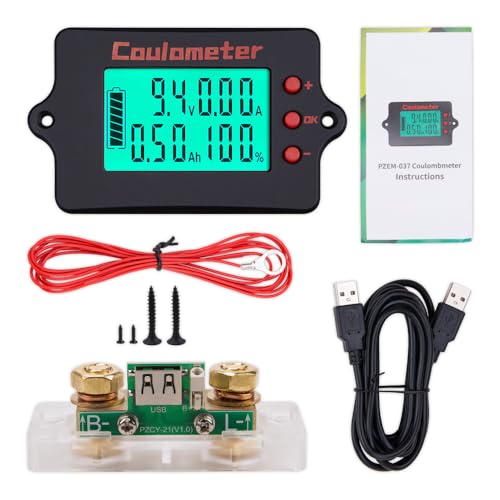
ZORZA 1Pcs USB-Enabled Coulometer 8-120V 100A Digital Battery Capacity Tester & Voltmeter/Ammeter with Shunt for RVs Electric Vehicles Solar Systems and Battery Monitoring
- Universal Battery Compatibility: Supports lead-acid, LiFePO4, and more
- USB Interface: User-friendly, splash-proof, instant readiness
- Wide Voltage Range: Operates from 8V to 120V
As an affiliate, we earn on qualifying purchases.
As an affiliate, we earn on qualifying purchases.

Multiscale Simulation Approach for Battery Production Systems (Sustainable Production, Life Cycle Engineering and Management)
As an affiliate, we earn on qualifying purchases.
As an affiliate, we earn on qualifying purchases.