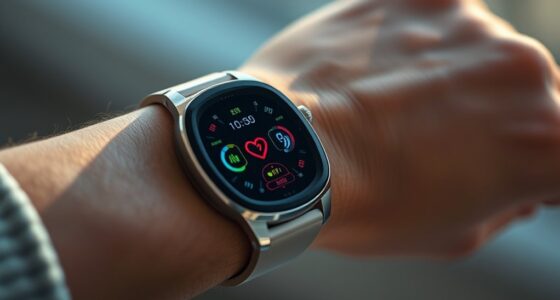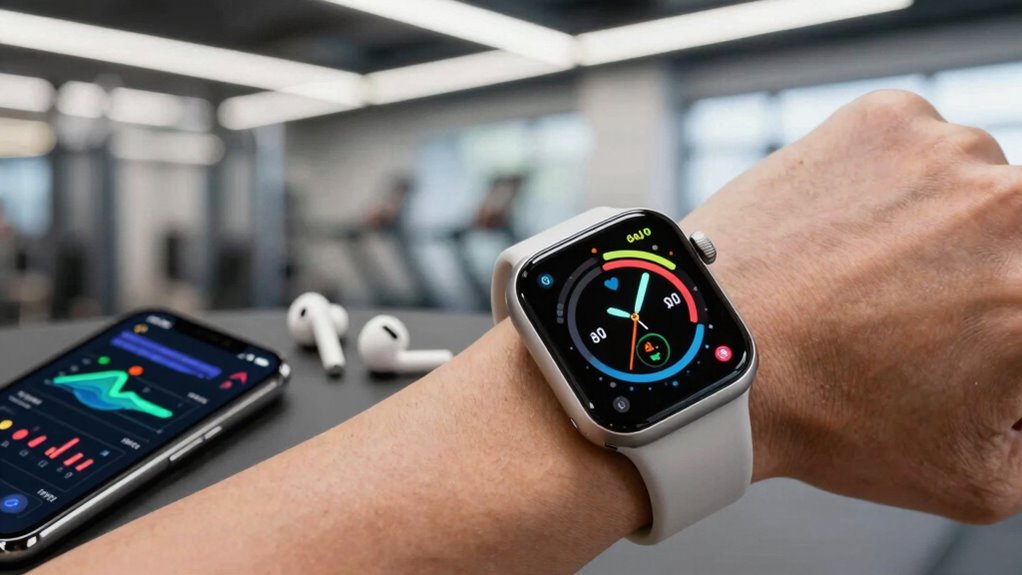
Wearables are transforming into health platforms by collecting a wide range of essential data like heart rate, blood oxygen, and sleep patterns, offering personalized insights for your unique needs. They support long-term wellness by promoting active participation and goal setting. As they integrate seamlessly with other health apps, they become your digital health assistant. Protecting your data with strong security and transparency is key to trusting these devices. To discover how these features work together for your health journey, keep exploring.

Get everyday essentials delivered free with Prime
- Fast, free delivery on millions of items
- Prime Video, Amazon Music and more included
- Member-only deals all year
Key Takeaways
- Wearables now collect diverse health data, enabling personalized insights and ongoing health self-improvement.
- Integration with other health apps creates comprehensive, seamless health management ecosystems.
- Enhanced data privacy and security measures build user trust in health data handling.
- Devices serve as digital health assistants, analyzing data and providing real-time feedback.
- Active user participation is promoted through goal setting and engagement, supporting long-term wellness.
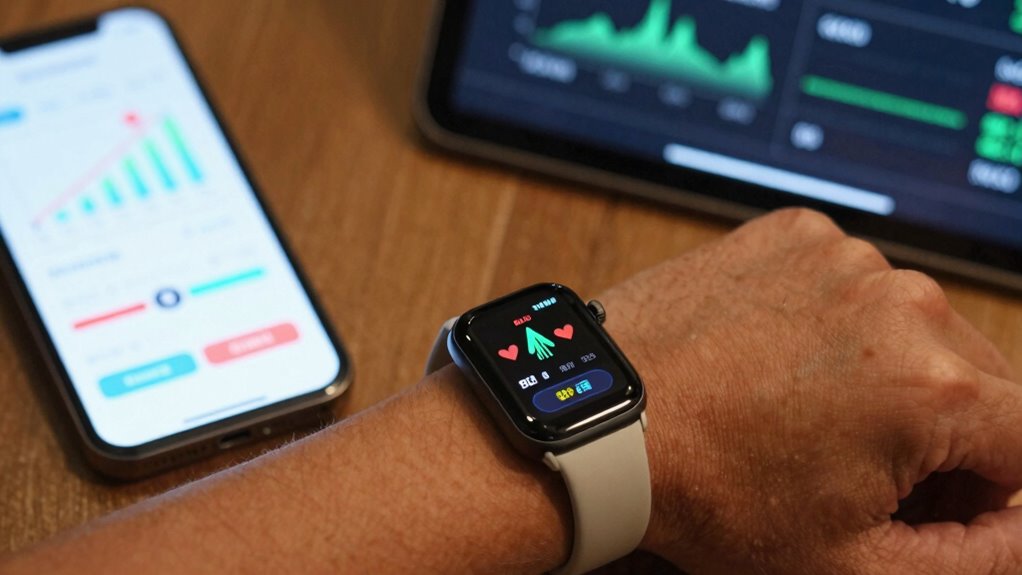
Wearables have transformed from simple fitness trackers into all-encompassing health platforms that actively monitor and manage your well-being. No longer just devices that count steps or track sleep, these gadgets now collect a vast array of health data, from heart rate variability to blood oxygen levels. As a result, they offer insights tailored to your body’s unique needs, empowering you to make informed health decisions. This comprehensive approach encourages a growth mindset towards health, motivating ongoing engagement and self-improvement. The shift toward holistic health management means you’re more engaged with your wellness journey than ever before. You might find yourself checking your device multiple times daily, motivated to hit new activity goals or monitor specific health markers. The increased user engagement helps you stay proactive, turning health from a passive concern into an active pursuit.
Wearables now actively monitor health data, empowering you to make informed, personalized wellness decisions.
However, with more data being gathered, concerns around data privacy have come to the forefront. You need to be aware of what information your device collects, how it’s stored, and who has access to it. Reputable wearable platforms implement strict security measures to protect your sensitive health data, but it’s essential to stay vigilant. Reading privacy policies and understanding permissions can prevent your health information from falling into the wrong hands. When you trust a platform with your data, you’re more likely to fully utilize its features without hesitation. Transparency from device manufacturers regarding data usage enhances your confidence in these platforms, encouraging continuous engagement and honest data sharing. Additionally, secure data storage practices are vital to prevent breaches and unauthorized access to your personal health information. Recognizing the role of data privacy in health technology can help you make informed choices about the platforms you support. Incorporating biosensors into wearables further increases the amount of health data collected, making robust privacy measures even more critical. As the volume of data grows, the importance of data security becomes increasingly evident to maintain user trust and safety.
The integration of health platforms into daily life also means that wearables can connect seamlessly with other devices and apps. This interoperability amplifies the benefits, allowing you to see a more integrated picture of your health. For example, syncing your wearable with a nutrition app can help you optimize your diet based on your activity and sleep patterns. This interconnected ecosystem makes managing your health more intuitive and personalized. Your device becomes a digital health assistant, constantly working behind the scenes to analyze your data, send reminders, and suggest lifestyle adjustments—all aimed at improving your overall well-being.
Ultimately, as wearables evolve into full-fledged health platforms, your role shifts from passive user to active participant. Your engagement—driven by the device’s insights and motivated by your health goals—becomes essential in achieving long-term wellness. While data privacy remains a key concern, responsible use and secure platforms enable you to harness the full potential of these tools. By staying informed and engaged, you’re not just tracking your health; you’re actively shaping it, making wearables an integral part of your daily health management.
Popular right now

Dyson Cyclone V10 Origin Cordless Vacuum

Apple AirPods Pro 3 Wireless Earbuds with Active Noise Cancellation

KitchenAid Artisan Mini Tilt-Head Stand Mixer, 3.5 Quart, Aqua Sky Blue
As an affiliate, we earn on qualifying purchases.
Frequently Asked Questions
How Do Wearables Ensure User Data Privacy and Security?
Wearables protect your data privacy and security through data encryption, ensuring your information stays confidential during transmission and storage. They also prioritize user consent by providing clear privacy policies and allowing you to control what data you share. By implementing strong security measures and transparent practices, your wearable device helps prevent unauthorized access, giving you peace of mind that your health data remains private and secure.
Can Wearables Diagnose Medical Conditions Accurately?
Sure, your sleek wearable might seem like a medical wizard, but don’t rely on it for perfect diagnosis. Medical accuracy varies, and diagnostic challenges mean these devices can miss or misinterpret signals. While they’re great for tracking trends, don’t ditch your doctor just yet. Wearables can complement healthcare, but they’re not foolproof, and expecting full medical diagnoses from them is like asking your smartwatch to perform brain surgery—entertaining, but unlikely.
What Are the Costs Associated With Wearable Health Platforms?
The costs of wearable health platforms vary based on features, brand, and subscription plans. You should conduct a cost analysis to understand upfront device expenses and ongoing fees. Affordability factors include device durability, data security, and app functionality. Keep in mind, investing in a reputable device may have higher initial costs but can save money long-term by improving health management and reducing medical expenses.
How Do Wearables Integrate With Existing Healthcare Systems?
Picture a futuristic scene where your wearable seamlessly syncs with hospital systems, much like a sci-fi movie. You guarantee data interoperability by using standardized formats, making info transfer smooth. Regulatory compliance is key; you follow strict privacy laws and security protocols. This integration allows healthcare providers to access real-time data, enhancing patient care. By bridging wearables with existing systems, you create a cohesive, efficient health monitoring network.
What Are the Limitations of Current Wearable Health Technologies?
You might find that current wearable health technologies face limitations like data accuracy issues, which can lead to unreliable health insights. Additionally, maintaining user engagement is challenging; many users stop tracking after a while, reducing long-term benefits. These constraints hinder the full potential of wearables as effective health platforms, making it essential for developers to improve sensor precision and create more engaging, user-friendly experiences that motivate consistent use.
Conclusion
Think of wearables as the engines driving your health journey, transforming simple gadgets into powerful platforms that keep you informed and in control. As technology continues to evolve, these devices become more like trusted navigators, guiding you through the complex landscape of wellness. Embrace this shift, and you’ll find yourself at the helm of a personalized health voyage—charting a course toward better living, one data point at a time. The future of health is in your hands.