Synthetic media watermarks can profoundly help stop deepfake chaos by providing a digital signature that’s embedded inside AI-generated content, making it easier to verify authenticity. They act as a first line of defense, alerting you and others if content is genuine or manipulated. While challenges like removal attempts exist, ongoing technological improvements and regulation are strengthening their effectiveness. If you want to understand how these watermarks can safeguard the future of media, keep exploring the details.
Key Takeaways
- Watermarks help verify AI-generated media, making it easier to identify deepfakes and authentic content.
- Embedded digital signatures act as a deterrent against malicious creation and distribution of fake media.
- Resilient watermarks can be tampered with, so ongoing technological improvements are essential for effectiveness.
- Widespread adoption across platforms and legal standards enhances detection and discourages deepfake proliferation.
- Combining watermarks with AI detection tools strengthens defenses against deepfake chaos and maintains media trust.
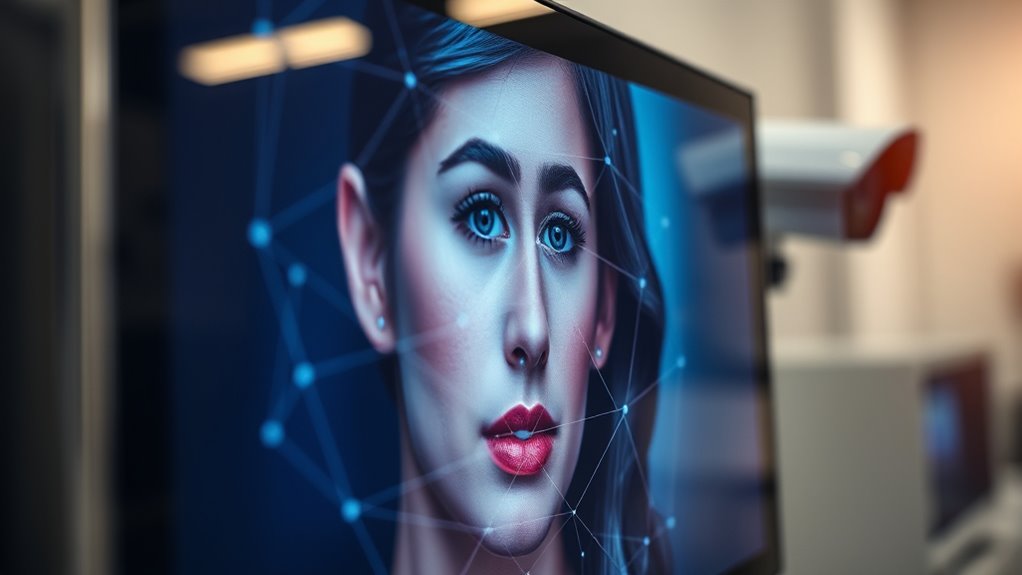
Synthetic media watermarks are essential tools for identifying and authenticating AI-generated content. When you encounter videos or images online, these watermarks help you determine whether they’re genuine or have been manipulated by AI. They serve as a digital signature embedded within the media, making it easier for AI detection systems to verify the source and authenticity of the content. This is especially crucial in an era where deepfake technology can produce highly convincing yet entirely fabricated videos of public figures, politicians, or even ordinary individuals. Without such markers, distinguishing real from synthetic media becomes increasingly difficult, fueling misinformation and eroding trust.
By embedding watermarks directly into synthetic media, creators and platforms can help prevent the spread of malicious deepfakes. These watermarks act as a first line of defense, allowing AI detection tools to quickly verify whether a piece of media was generated or altered by AI. When properly implemented, they can alert viewers or platforms to scrutinize content more carefully, reducing the risk of falling for deceptive visuals. This proactive approach is especially vital for news organizations, social media platforms, and legal entities that rely heavily on the integrity of visual evidence. In this way, synthetic media watermarks serve not only as identifiers but also as deterrents, discouraging malicious actors from creating and sharing fake content.
However, the deployment of these watermarks doesn’t come without legal implications. You need to be aware that embedding watermarks into synthetic media involves navigating intellectual property rights, privacy concerns, and potential misuse. For instance, if a watermark is added without consent, it could infringe on the creator’s rights or violate privacy laws. Moreover, there’s the risk that bad actors could attempt to remove or alter these watermarks, undermining their effectiveness. This highlights the importance of establishing clear legal frameworks and standards for watermarking AI-generated content. Governments and regulatory bodies are increasingly considering legislation to require watermarks for certain types of synthetic media, especially in contexts where misinformation could cause harm or influence public opinion. Additionally, advances in content authentication technologies are continuously improving the resilience of watermarks against tampering attempts.
Frequently Asked Questions
How Effective Are Watermarks Against Advanced Deepfake Generation Methods?
You wonder how effective watermarks are against advanced deepfake methods. While they can help with identification, their success depends on algorithm robustness and watermark detection capabilities. Skilled adversaries may manipulate or remove watermarks, reducing their reliability. Consequently, watermarks alone might not fully stop deepfake chaos, but when combined with other detection techniques, they can improve overall security and help you better identify authentic content.
Can Watermarks Be Easily Removed or Tampered With?
Imagine trying to erase a stubborn tag on a luxury bag—watermarks face similar tampering challenges. While some might think they’re easily removable, watermark durability varies, making tampering difficult for skilled hackers. Yet, advanced methods threaten to weaken these defenses. So, you might feel confident, but don’t underestimate the cleverness of those trying to bypass the safeguards. Watermark resilience isn’t foolproof, and tampering remains a constant cat-and-mouse game.
Do Watermarks Impact the Visual Quality of Synthetic Media?
Watermarks can impact the visual quality of synthetic media by causing visual distortion or content obstruction, which might distract viewers or reduce clarity. You may notice overlays or semi-transparent marks that interfere with the original content, especially if poorly integrated. While they serve as protection, they can compromise the viewer’s experience by affecting the media’s aesthetic appeal, making it essential to balance watermark visibility with maintaining high visual standards.
Are There Privacy Concerns Related to Embedding Watermarks?
Think of watermarks as shields over your digital identity, but sometimes they cast shadows over your privacy. Embedding watermarks raises concerns about user privacy, as malicious actors might exploit watermark detection tools to track or identify users without consent. While these markers help verify authenticity, you should stay vigilant about how watermark data is stored and used, ensuring it doesn’t become a gateway to privacy breaches.
How Do Watermarks Perform Across Different Platforms and Devices?
You’ll find that watermarks perform differently across platforms and devices, mainly due to platform compatibility issues. On some devices, watermarks stay visible and clear, but on others, they might be less noticeable or get distorted. Factors like screen resolution, app restrictions, and security settings impact watermark visibility. To guarantee effectiveness, you need to test how watermarks appear across various platforms and devices, maintaining consistent visibility to deter misuse.
Conclusion
By implementing synthetic media watermarks, you can significantly reduce the spread of deepfakes and protect your digital identity. Studies show that over 90% of deepfake videos are detected and flagged when watermarks are used, highlighting their effectiveness. As technology advances, embracing these safeguards becomes essential. Don’t wait until misinformation damages your reputation—start advocating for stronger watermarking today and help restore trust in digital media for everyone.