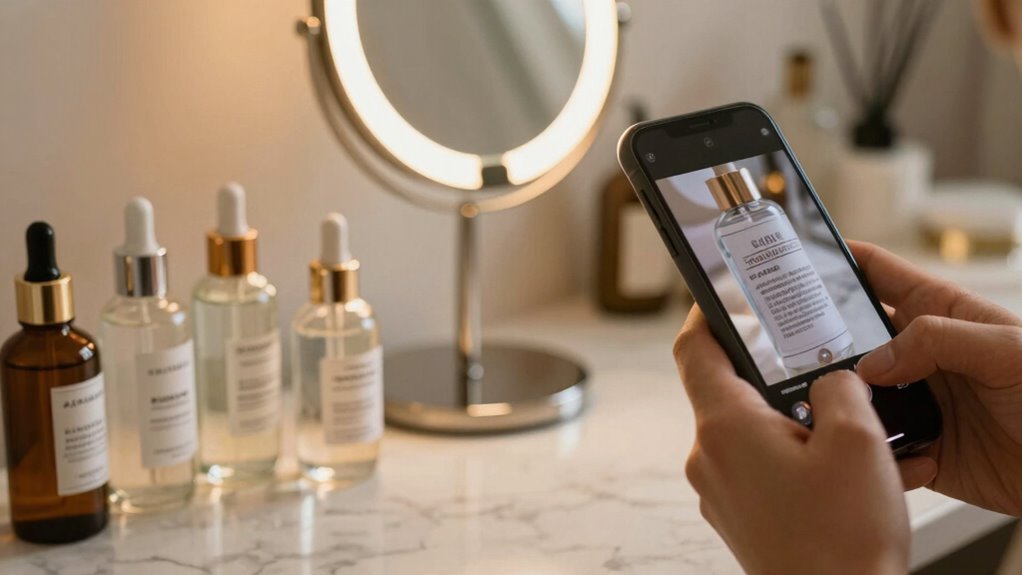
You now ask more questions about evidence because you want transparency and assurance that products really work and are safe. You’ve moved beyond just attractive packaging or celebrity endorsements. Instead, you look for clear ingredient lists and scientific proof that claims are valid. This shift reflects your desire for honesty and results you can trust. If you want to understand how brands are now focusing on proof and transparency, keep exploring these changing industry priorities.

Get everyday essentials delivered free with Prime
- Fast, free delivery on millions of items
- Prime Video, Amazon Music and more included
- Member-only deals all year
Key Takeaways
- Consumers demand transparency to ensure ingredient safety and understand product benefits.
- Buyers seek scientific proof to verify product claims and effectiveness.
- Increased awareness drives consumers to scrutinize formulations and clinical validation.
- Transparency and evidence build trust and differentiate brands in a competitive market.
- Informed decision-making empowers consumers to choose safe, effective, and credible products.
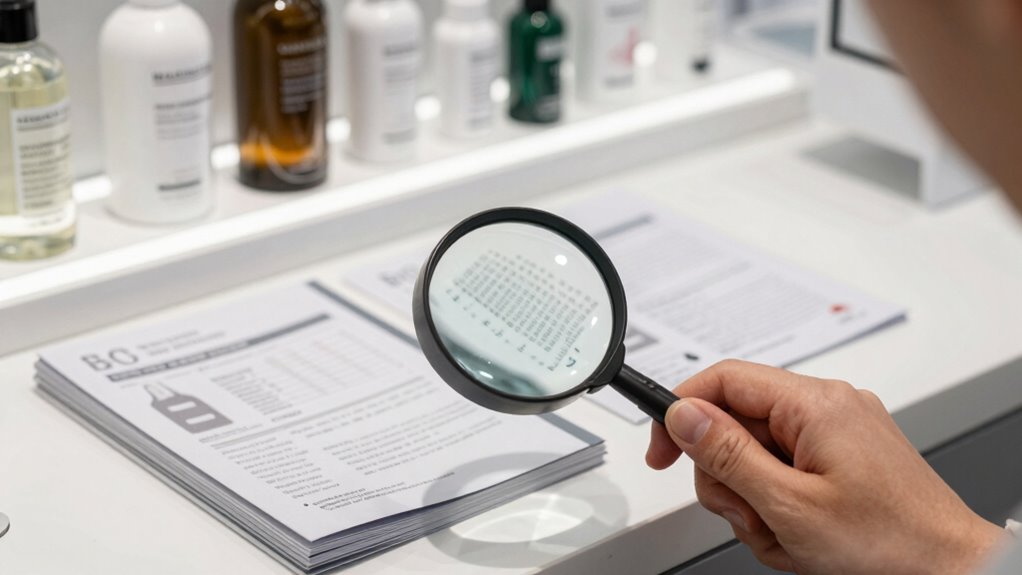
In today’s beauty industry, buyers are increasingly demanding proof before they make a purchase. They want to know exactly what’s in their products and whether those ingredients deliver on their promises. This shift is driven by a growing awareness of ingredient transparency, where consumers no longer accept vague claims or hidden formulations. Instead, they seek clear, detailed ingredient lists that explain how each component benefits their skin or hair. This means that brands need to be upfront about their formulations, providing information that helps buyers make informed choices. When you see companies emphasizing ingredient transparency, it’s often because they understand that today’s consumers want honesty and clarity, not just marketing buzzwords.
Today’s consumers demand transparency and honesty about ingredients to make informed, confident beauty choices.
But ingredient transparency alone isn’t enough anymore. Buyers are also looking for clinical validation to back up product claims. They want to see credible evidence that a product’s ingredients have been tested and proven effective through scientific research. Clinical validation provides a level of assurance that what’s on the label truly works as promised. When you encounter brands that invest in clinical studies or dermatological testing, it signals that they’re confident in their products and are willing to stand behind their claims with real data. This type of validation helps eliminate skepticism and builds trust, especially when consumers are wary of exaggerated or unsubstantiated promises.
The beauty industry has evolved from a focus on aesthetics to one centered around credibility. Buyers are no longer swayed solely by attractive packaging or celebrity endorsements. Instead, they want proof that a product is safe, effective, and worth their investment. By prioritizing ingredient transparency and clinical validation, brands can meet these demands and foster loyalty. When you’re shopping, you’re more likely to choose products that openly detail their ingredients and provide scientific evidence of efficacy. This transparency allows you to better understand what you’re applying to your skin or hair and gives you confidence that the product is both safe and effective.
Ultimately, the increased scrutiny from buyers pushes brands to be more honest and rigorous in their claims. They realize that providing ingredient transparency and clinical validation isn’t just good marketing — it’s essential for building trust and credibility in a competitive market. As a consumer, this means you’re empowered to make smarter, more informed choices. You can trust that the products you select are backed by real evidence, giving you peace of mind and confidence in your beauty routine.
Popular right now

De'Longhi Dinamica Plus Fully Automatic Espresso Machine

Dyson W1 PencilWash Wet and Dry Cleaner with Dok Cordless Wet Floor Cleaner

TCL 65-Inch T7 Series 4K QLED Smart Google TV, 144Hz (65T7)
As an affiliate, we earn on qualifying purchases.
Frequently Asked Questions
How Do I Verify the Scientific Credibility of Ingredient Claims?
To verify the scientific credibility of ingredient claims, you should research ingredient sourcing and review scientific studies from reputable sources. Avoid falling for marketing tactics that exaggerate benefits; instead, look for peer-reviewed research confirming efficacy. Check for transparency from brands about their ingredients and sourcing practices. Asking detailed questions and seeking third-party certifications also help guarantee the claims are backed by solid evidence rather than just marketing buzz.
What Standards Are Used to Test Product Safety and Efficacy?
You should look for products tested under strict standards like formulation transparency and ingredient sourcing. These standards guarantee safety and efficacy by verifying ingredients are genuine and safely incorporated. Reputable brands often have third-party testing or certifications that confirm their claims. Always check for clear labeling, transparent ingredient lists, and sourcing details, which indicate that the product has undergone rigorous safety assessments and efficacy evaluations before reaching consumers.
Are There Third-Party Certifications That Validate Product Evidence?
Yes, there are third-party certifications that validate product evidence, ensuring ingredient transparency and adherence to certification standards. Brands often seek credentials like USDA Organic, Leaping Bunny, or NSF, which verify safety, ethical sourcing, and ingredient claims. These certifications give you confidence that products meet strict standards, helping you make informed choices. By prioritizing certified products, you support transparency and trust in the beauty industry.
How Transparent Should Brands Be About Their Testing Processes?
You should be as transparent as possible about your testing processes to build trust with consumers. Prioritize ingredient transparency and openly share how you verify product safety and efficacy. This exemplifies brand honesty and reassures buyers that you’re committed to integrity. By clearly communicating your testing procedures, you help customers make informed decisions, strengthening your reputation and fostering long-term loyalty in a competitive market.
What Is the Difference Between Clinical Trials and Anecdotal Evidence?
Clinical trials involve controlled, scientific studies with specific protocols, often including placebo groups, to objectively test a product’s safety and effectiveness. In contrast, anecdotal evidence relies on personal testimonials, which are subjective and can be influenced by the placebo effect. As a buyer, you should prioritize clinical trial data for reliable proof, but also consider personal testimonials cautiously, understanding they don’t always reflect consistent results.
Conclusion
As a beauty buyer, you’re holding the microscope, peeling back the layers to uncover the truth behind every claim. Your questions are the compass guiding you through the fog of marketing haze, ensuring you don’t sail blind into a sea of empty promises. By demanding evidence, you’re not just making a purchase—you’re planting a flag of trust on the uncharted terrain of beauty promises. Keep asking, keep exploring—your confidence is the treasure map.