TL;DR
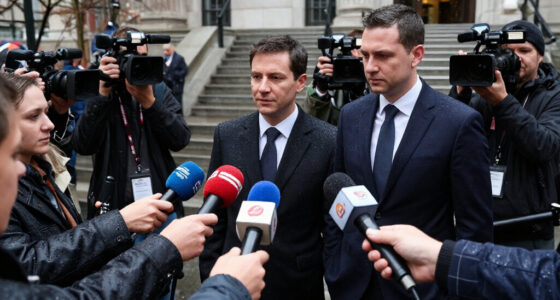
A Manhattan judge has upheld New York City’s rent freeze for rent-stabilized apartments, dismissing landlords’ challenge to the Rent Guidelines Board’s order. Mayor Zohran Mamdani called the decision a win for tenants, while the judge said the city’s mayor cannot set rents unilaterally and that the board’s order met the legal standard for review. The landlords’ lawyer said they are considering next steps.
A Manhattan judge has upheld New York City’s rent freeze for rent-stabilized apartments, dismissing a lawsuit by landlords who sought to overturn the Rent Guidelines Board’s order. The ruling keeps the freeze in place for eligible one- and two-year leases beginning on or after October 1, and marks a legal win for Mayor Zohran Mamdani, who campaigned on freezing rents.

Get everyday essentials delivered free with Prime
- Fast, free delivery on millions of items
- Prime Video, Amazon Music and more included
- Member-only deals all year
In an order published Wednesday, Manhattan Supreme Court Justice Brendan Lantry found that the landlords who brought the case had not shown the board’s decision was unreasonable, arbitrary or capricious. He wrote that the court’s task was to determine whether the order had a rational basis, not whether the policy was wise or might have negative effects on the wider real estate market. The judge concluded that it met that standard and should remain valid.
The lawsuit followed the Rent Guidelines Board’s approval of the measure in June. The landlords alleged that the board’s process was a “sham” and argued it had ignored evidence of rising operating costs and manipulated data to understate those costs. Those statements are the plaintiffs’ claims; the ruling rejected their effort to establish that the board’s action was legally arbitrary.
Mamdani described the decision as a victory for tenants and affordability in a statement to The New York Times. In the same ruling, Lantry criticized the mayor’s campaign promise, saying it was “reckless and irresponsible” to suggest a mayor could freeze rents by executive action. The judge said that authority belongs to the Rent Guidelines Board, not the mayor acting alone. His criticism of the campaign pledge did not change the outcome of the case against the board’s order.
Rent freeze upheldin New York City
A Manhattan judge dismissed landlords’ challenge, leaving the Rent Guidelines Board’s freeze in place for eligible rent-stabilized leases.
What the ruling means
The decision keeps the board-approved freeze in effect for eligible leases.
- The lawsuit did not block the rent limits.
- Covered leases remain subject to the board’s order.
- The challenge to the order was dismissed.
- Their lawyer says they are considering next steps.
Who sets rent guidelines
The ruling distinguishes the mayor’s campaign pledge from the city’s legal rent-setting process.
The Rent Guidelines Board approved the freeze in June.
They argued the board mishandled evidence about rising operating costs.
The judge found they had not shown the order lacked a rational basis.
What remains unresolved
The ruling addresses the legal challenge, not every policy dispute around the freeze.
| Question | What is known |
|---|---|
| Will landlords appeal? | No decision announced; their lawyer says they are reviewing next steps. |
| Are operating costs settled? | No. The broader dispute over expenses remains unresolved. |
Rent Freeze Stays in Force
The decision leaves the rent freeze in place for tenants in the city’s roughly 1 million rent-stabilized apartments, subject to the order’s lease terms and start date. For covered tenants whose leases begin on or after October 1, the ruling means the landlords’ lawsuit has not blocked the board-approved limits on rent increases for one- and two-year leases.
The case also clarifies the distinction between political promises and the city’s formal rent-setting process. Mamdani campaigned on a rent freeze, but the order challenged in court was adopted by the Rent Guidelines Board. The judge’s decision recognizes the board’s authority to set guidelines while stating that a mayor cannot impose a freeze unilaterally. The ruling is about whether the board followed a legally acceptable process, not a finding that the policy has no costs or consequences.
For property owners, the lawsuit was an attempt to contest a policy they say limits rental income as expenses rise. For tenants, the immediate practical result is that the freeze remains in effect unless a later court action or a new board decision changes it. The ruling therefore affects both household housing costs and the ongoing dispute over how operating expenses should factor into rent-setting decisions.
Popular right now

Apple AirPods Pro (1st Generation) with MagSafe Charging Case

KitchenAid 5.5-Quart Bowl-Lift Stand Mixer, Porcelain White

Roborock Q10 S5+ Robot Vacuum and Mop with Self-Emptying Station, 10,000 Pa Suction
As an affiliate, we earn on qualifying purchases.
How the Board Set the Freeze
New York City’s rent-stabilized housing is governed by rent guidelines established through the Rent Guidelines Board. The board approved the freeze in June; landlords then challenged that decision in court. The freeze applies to rent-stabilized units and covers one- and two-year leases beginning on or after October 1, according to the details of the order.
Mamdani made a rent freeze a central pledge in a campaign focused on housing affordability. The legal mechanism is separate from that pledge: the board, rather than the mayor, sets the applicable rent guidelines. Lantry’s order addressed the challenge to the board’s decision and the legal standard for reviewing it, rather than granting a mayor authority to set rents directly.
The landlords’ position centers on building expenses, including insurance, taxes and maintenance. They argued those costs were rising and that the board did not properly account for their impact. The judge’s decision did not resolve the broader policy debate about those expenses; it found the plaintiffs had not established grounds to invalidate this particular order.
“A victory for tenants, for affordability and for the principle that working New Yorkers deserve a city they can afford to live in.”
— Mayor Zohran Mamdani, in a statement to The New York Times
Appeal Decision Still Pending
The landlords have not said whether they will appeal. Mastro said the plaintiffs were reviewing the ruling and considering next steps, leaving the lawsuit’s future undecided. The available information does not establish whether an appeal will be filed or when any further court action might occur.
The order also does not settle the wider disagreement over the financial effects of the freeze on property owners or the adequacy of the board’s consideration of operating costs. The landlords’ claims about rising expenses and the board’s handling of evidence were part of their challenge; the ruling found they had not met the legal threshold to overturn the order. It does not answer every policy question raised by those claims.
Landlords Weigh Their Options
The immediate next development depends on whether the landlords pursue an appeal. Their lawyer said they are reviewing the ruling and considering what to do, but no timetable or decision has been announced. Unless the order is changed through further legal action or a later policy decision, the freeze remains in place under the terms approved by the board.
For now, tenants and property owners will be watching for any filing that challenges Lantry’s decision and for further action by the Rent Guidelines Board. The ruling resolves the current lawsuit at this stage, but it does not remove the underlying debate over rent affordability, building expenses and the board’s role in setting rent guidelines.
Source: fediverse
Key Questions
What did the judge decide?
Manhattan Supreme Court Justice Brendan Lantry dismissed the landlords’ lawsuit and upheld the Rent Guidelines Board’s rent-freeze order, finding that the plaintiffs had not shown it was unreasonable, arbitrary or capricious.
Which apartments are covered?
The order concerns New York City’s rent-stabilized apartments. It applies to eligible one- and two-year leases beginning on or after October 1.
Can Mayor Mamdani set rents himself?
No. Lantry said mayors do not have authority to raise, freeze or otherwise adjust rent-stabilized rents unilaterally. That authority rests with the Rent Guidelines Board.
Will the landlords appeal?
That has not been decided publicly. Their lawyer, Randy Mastro, said the plaintiffs were reviewing the ruling and considering next steps.
Source: theguardian.com