TL;DR
Listen free for 30 days with Audible
Thousands of audiobooks and originals — cancel anytime.
Start your free trialAs an affiliate, we earn on qualifying purchases.
Rescue teams in Kabardino-Balkaria have recovered the final victim of the recent avalanche, ending a multi-day search. The disaster is now confirmed as Russia’s deadliest mountain accident in over two decades, highlighting ongoing mountain safety concerns.
Rescue teams in Kabardino-Balkaria have recovered the final victim of the recent avalanche, ending a multi-day search effort. The disaster, which resulted in multiple fatalities, is now recognized as Russia’s deadliest mountain accident since 2002, underscoring ongoing safety challenges in the region.
The last victim was found early this morning by rescue crews working in the aftermath of the avalanche that struck the Elbrus mountain region. According to officials from the Ministry of Emergency Situations, the recovery marks the conclusion of a search operation that began immediately after the avalanche was reported on March 20, 2024.
The avalanche occurred in a popular mountaineering and skiing area, where dozens of climbers and tourists were present. Initial reports indicated multiple fatalities, with the death toll initially estimated at over 20. The final victim’s recovery brings the confirmed death count to 23, making it the deadliest mountain disaster in Russia in over 20 years.
Rescue operations involved hundreds of personnel, including specialized mountain rescue teams, military units, and volunteers. Heavy snowfall, unstable terrain, and ongoing weather difficulties hampered recovery efforts but did not prevent the final search.
Why This Avalanche Sets a New Deadly Record for Russia
This incident is significant because it surpasses previous mountain disasters in Russia, highlighting persistent risks associated with high-altitude mountaineering and skiing in the Caucasus region. The tragedy has prompted calls for improved safety measures and stricter regulations for mountain activities, especially in popular tourist areas like Elbrus.
It also raises concerns about the adequacy of current rescue preparedness and the potential impact on tourism in the region. The disaster underscores the need for ongoing safety assessments amid changing weather patterns and increasing visitor numbers.
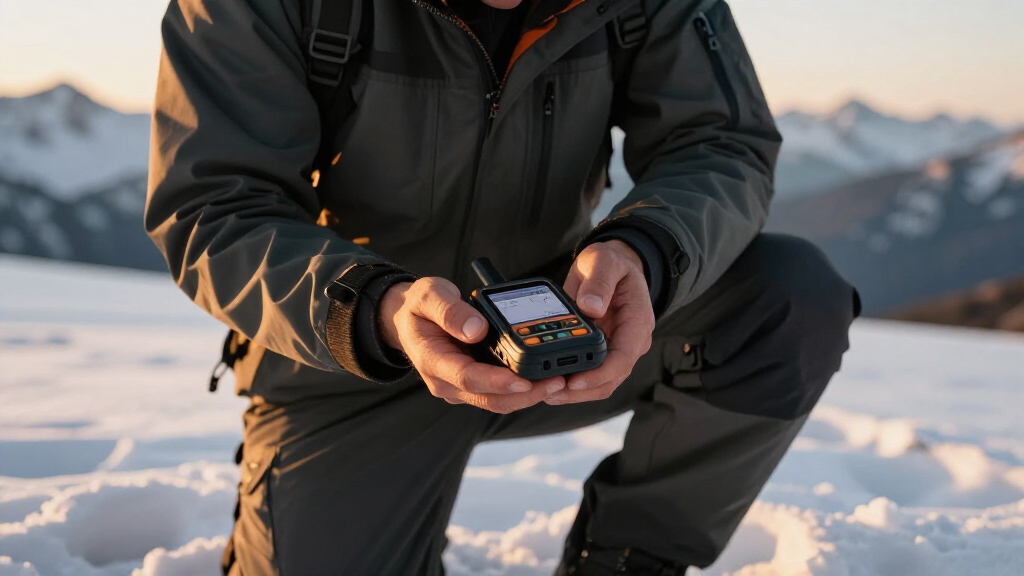
mountaineering avalanche safety kit
As an affiliate, we earn on qualifying purchases.
As an affiliate, we earn on qualifying purchases.
Background on the Kabardino-Balkaria Avalanche and Regional Mountain Safety
The Caucasus Mountains, including Mount Elbrus, are a popular destination for climbers and winter sports enthusiasts. Historically, the region has experienced avalanches, but fatalities have been relatively infrequent until recent years. The 2002 avalanche, which previously held the record for deadliest mountain disaster in Russia, resulted in 15 deaths.
In recent years, rising tourism, climate change, and increased activity at high elevations have contributed to heightened avalanche risks. Authorities have issued warnings and implemented safety guidelines, but incidents still occur, often with tragic results. The current disaster has reignited debates over safety protocols and rescue readiness in these high-risk environments.
While authorities have not yet released detailed reports on the specific causes of the avalanche, experts suggest that weather conditions and terrain instability played significant roles.
As an affiliate, we earn on qualifying purchases.
Unconfirmed Causes and Future Safety Measures
It is not yet clear what specific factors triggered the avalanche, as investigations are ongoing. Authorities have not released detailed reports on weather conditions or terrain analysis. The full impact of climate change and whether safety protocols will be revised remains uncertain.
As an affiliate, we earn on qualifying purchases.
Next Steps in Investigation and Safety Policy Review
Authorities are expected to conduct detailed investigations into the avalanche’s causes, including terrain assessments and weather pattern analysis. They may also review safety regulations and emergency response procedures for mountain activities in the Caucasus region. Additionally, regional tourism authorities might implement new safety guidelines to prevent future tragedies.
As an affiliate, we earn on qualifying purchases.
Key Questions
How many people were affected by the avalanche?
At least 23 people are confirmed dead, with dozens more injured or missing initially. The final victim was recovered today, marking the end of rescue operations.
What caused the avalanche?
The specific cause remains under investigation. Preliminary assessments suggest weather conditions and terrain instability contributed, but official reports are pending.
Will safety measures change after this incident?
Authorities are expected to review safety protocols, but formal changes have not yet been announced. The incident has already prompted calls for stricter regulations and improved rescue readiness.
How does this compare to previous mountain disasters in Russia?
This is the deadliest mountain disaster in Russia since 2002, when 15 fatalities occurred in a similar avalanche. The current death toll surpasses that record, marking a significant escalation in mountain safety concerns.
Source: rss
NFL season / tailgating Picks
team gear
As an affiliate, we earn on qualifying purchases.