
Recession talk prompts you to reexamine your small business strategies, encouraging tighter budgets and cautious growth plans. It influences your decisions on investments, pushing you to focus on quick returns and stability. You start monitoring economic indicators more closely to anticipate demand shifts and adjust your offerings. This discussion also urges you to develop contingency plans and stay flexible, ensuring you’re prepared for various scenarios. If you want to understand how to navigate these changes effectively, keep exploring these insights.
Key Takeaways
- Recession talk heightens awareness of economic risks, prompting small businesses to reevaluate spending and investment strategies.
- It encourages scenario planning and contingency development to prepare for potential downturn impacts.
- Small businesses may tighten budgets, prioritize essentials, and delay discretionary spending in response to recession discussions.
- Recession conversations influence marketing and market expansion efforts to maintain competitiveness and reach new customers.
- Ongoing economic uncertainty fosters increased flexibility and agility in strategic planning and resource allocation.

As discussions about a potential recession grow louder, small business owners need to stay proactive in their planning. When economic uncertainties rise, consumer confidence often takes a hit, making it essential for you to understand how this shift impacts your sales and overall revenue. If consumers start to feel unsure about the economy, they tend to tighten their spending, prioritize essential purchases, and delay discretionary spending. Recognizing these behaviors allows you to adjust your offerings and marketing strategies accordingly, ensuring your business can weather the storm. Staying attuned to consumer confidence levels helps you anticipate changes in demand and adapt your inventory or service delivery to meet evolving customer needs.
In addition to monitoring consumer sentiment, your investment strategies should become more cautious and strategic. During uncertain times, it’s tempting to cut back on spending, but smart investment decisions can help you strengthen your business foundation. Consider reallocating resources toward initiatives that offer quick returns or long-term stability, such as digital marketing, process improvements, or diversifying your product line. Avoid unnecessary expenses that don’t directly contribute to your core business goals. By making deliberate choices about where and how you invest, you can maintain agility and resilience, even when the economic outlook is uncertain. Incorporating color accuracy considerations into your marketing or branding efforts can also help differentiate your business and attract loyal customers. It is also beneficial to understand halal culture and traditions worldwide, which can open up new markets and customer bases during challenging economic times. Additionally, understanding economic indicators can help you stay ahead of potential downturns and adjust your strategies proactively. Staying informed about relevant data points, such as market trends, allows you to make better-informed decisions and avoid surprises.
Furthermore, your planning should include scenario analysis, where you prepare for various economic outcomes. Think about how different recession scenarios could affect your sales, costs, and access to credit. Developing contingency plans allows you to respond swiftly to changes, whether it’s scaling back operations, renegotiating supplier contracts, or adjusting your pricing strategies. The key is to stay flexible and avoid committing to long-term plans that may become obsolete quickly. Keep a close eye on economic indicators and industry trends to update your plans regularly. This proactive approach ensures you’re not caught off guard and maintains your ability to serve your customers while protecting your business’s financial health.
Ultimately, talking about a recession influences your mindset and strategic decisions. By focusing on consumer confidence, adjusting your investment strategies, and preparing for various scenarios, you position yourself to navigate economic downturns more effectively. Staying proactive means continuously evaluating your business’s strengths and vulnerabilities, so you can adapt swiftly and emerge resilient when economic conditions improve.
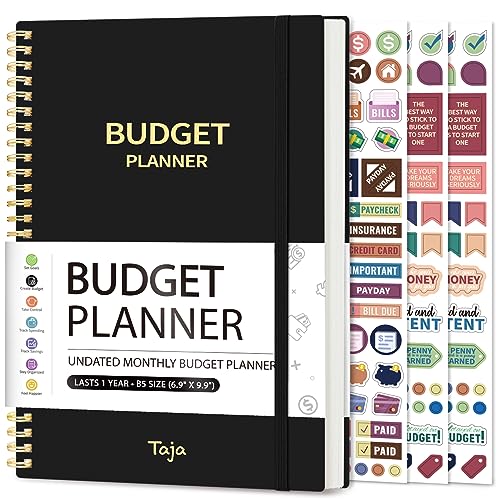
Budget Planner – Monthly Budget Book with Expense Tracker Notebook, Undated Bill Organizer & Finance Planner to Take Control of Your Money, Account Book to Manage Your Finances-Black
Effective Budget Planning – Take control of your finances with the budget account book. This comprehensive planner allows…
As an affiliate, we earn on qualifying purchases.
As an affiliate, we earn on qualifying purchases.
Frequently Asked Questions
How Can Small Businesses Prepare Financially for a Recession?
To prepare financially for a recession, you should focus on maintaining healthy cash flow and practicing good credit management. Keep a close eye on your expenses, build up an emergency fund, and avoid unnecessary debt. Strengthening your cash reserves guarantees you can cover operations during downturns, while managing credit wisely helps secure better terms and avoid financial strain. These steps help you navigate challenging economic times confidently.
What Specific Strategies Help Small Businesses Withstand Economic Downturns?
To withstand economic downturns, focus on market diversification and cash flow management. Expand your offerings to different customer segments or industries, reducing dependency on a single market. Keep a close eye on your cash flow, cut unnecessary expenses, and build reserves to cover downturn periods. Regularly reassess your financial position and stay adaptable. These strategies help you remain resilient and better prepared to navigate challenging economic times.
How Does Recession Talk Affect Consumer Behavior Toward Small Businesses?
Recession talk acts like a storm cloud, darkening consumer confidence and causing spending habits to shrink. You might notice customers hesitating before making purchases or seeking out discounts more aggressively. As fear spreads, they tighten their wallets, making it harder for your small business to thrive. Staying transparent and reassuring your customers can help clear the skies, encouraging continued support despite economic uncertainties.
Are There Government Resources Available for Small Businesses During a Recession?
Yes, government resources are available for small businesses during a recession. You can access government grants and loan programs designed to support your operations and cash flow. These resources often include low-interest loans, emergency grants, and technical assistance. To benefit, you should stay informed about current offerings and application deadlines, and consider reaching out to local or federal agencies that administer these programs to strengthen your business’s resilience during tough economic times.
How Can Small Businesses Communicate Stability During Uncertain Economic Times?
You can communicate stability by focusing on crisis communication that emphasizes transparency and reassurance. Share your proactive plans to navigate uncertain times clearly and consistently. Highlight your brand resilience by demonstrating your adaptability and commitment to customer support. Use honest messaging across all channels, showing your customers and stakeholders that your business remains strong, reliable, and prepared to weather any economic challenges ahead.

Small Business Digital Marketing Handbook
As an affiliate, we earn on qualifying purchases.
As an affiliate, we earn on qualifying purchases.
Conclusion
Stay focused on your goals despite the recession talk, because it’s like steering through a storm—you need steady hands and clear eyes. Don’t let fear cloud your vision or make you hesitate. Instead, adapt your plans, keep an eye on your cash flow, and lean on your community. Remember, small businesses are resilient, like a tree that bends but doesn’t break in the wind. Your perseverance can turn uncertainty into opportunity.

Inventory Management Professional Software; Inventory Control Supply Chain Management Software; Win PCs Only
Powerful Searching: Search through orders using customer first name, last name, order id, and even the product name.
As an affiliate, we earn on qualifying purchases.
As an affiliate, we earn on qualifying purchases.

Mr. Pen- House Plan, Interior Design and Furniture Templates, Drafting Tools and Ruler Shapes for Architecture – Set of 3
3 Pc Architect Drawing And Interior Design Template Set (Scale: 1/4 Inch = 1 Ft): House Plan Template,…
As an affiliate, we earn on qualifying purchases.
As an affiliate, we earn on qualifying purchases.