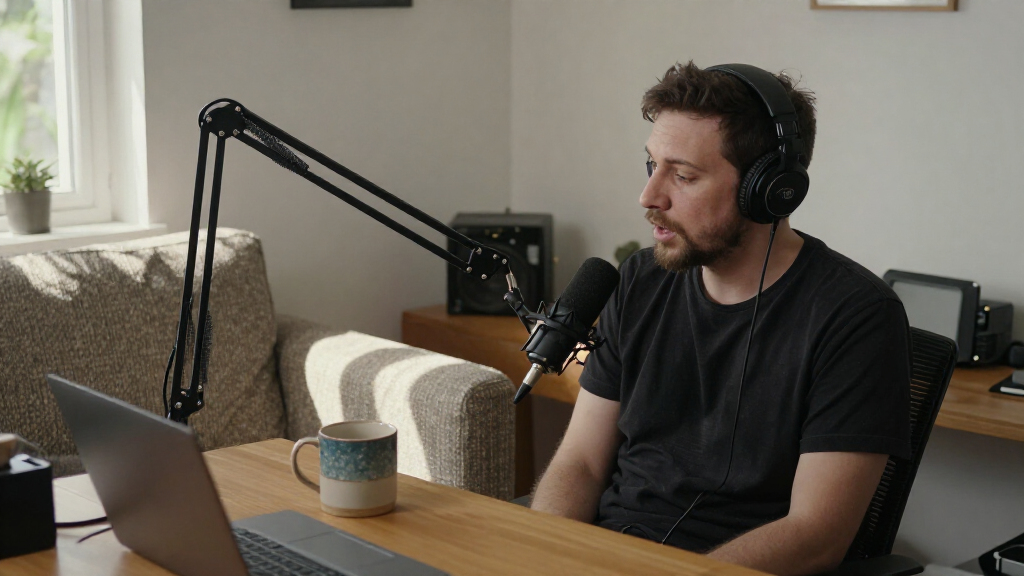

Choosing the right podcast microphone involves balancing sound quality, usability, and budget. The Shure MV7+ stands out as the best overall due to its versatile XLR and USB options, perfect for serious podcasters. The Blue Yeti USB remains a favorite for beginners thanks to its plug-and-play setup and good sound. Meanwhile, the FIFINE AmpliGame A6T offers a compelling value for gamers and streamers on a budget. These choices highlight common tradeoffs: higher quality and versatility often come at a higher price, while budget options may lack advanced features. Continue reading for a detailed breakdown of each model and what makes them suitable for different needs.

Get everyday essentials delivered free with Prime
- Fast, free delivery on millions of items
- Prime Video, Amazon Music and more included
- Member-only deals all year
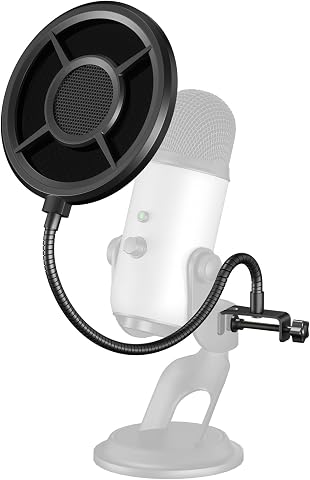
Complete the kit


Key Takeaways
- Top picks balance sound quality, ease of use, and budget, with the Shure MV7+ leading for versatility.
- USB microphones dominate for beginners due to simple setup, but XLR options offer more upgrade potential.
- Many budget models sacrifice features like gain control or noise cancellation for affordability.
- Professional podcasters should prioritize models with XLR connectivity and high sound fidelity.
- Microphone features like noise reduction, mute buttons, and monitoring significantly impact workflow.
| Shure MV7+ USB-C & XLR Podcast Dynamic Microphone – Black |  | Best Overall for Versatile Professional-Grade Sound | Connectivity Technology: USB, XLR | Connector Type: USB Type-C, XLR | Special Feature: LED Light, Mute Function | VIEW LATEST PRICE | See Our Full Breakdown |
| Tonor Podcast Microphone, USB Computer Mic, Cardioid Condenser PC Mic | 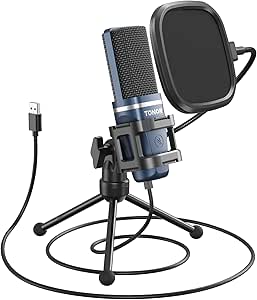 | Best for Beginners and Easy Plug-and-Play Setup | Connectivity Technology: USB | Connector Type: USB Type-A | Special Features: Built-in Shock Mount, Pop Filter | VIEW LATEST PRICE | See Our Full Breakdown |
| Logitech Blue Yeti USB Microphone for PC, Mac, Gaming, Streaming, Podcasting, Studio, and Recording – Blackout | 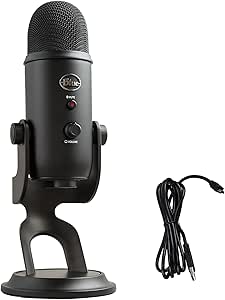 | Best for Versatility and Multiple Recording Patterns | Connectivity Technology: USB | Connector Type: USB | Special Feature: Stand, Blue VO!CE software | VIEW LATEST PRICE | See Our Full Breakdown |
| FIFINE AmpliGame A6T USB Gaming Microphone Kit |  | Best for Gaming and Streaming with RGB Flair | Connectivity Technology: USB | Connector Type: USB | Special Features: RGB Lighting, Plug and Play | VIEW LATEST PRICE | See Our Full Breakdown |
| FIFINE AmpliTank K688CT Podcast Microphone Kit, USB/XLR Dynamic Mic | 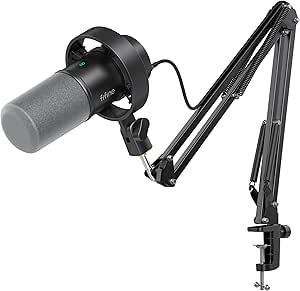 | Best for Versatile, Professional-Grade Podcasters | Connectivity Technology: USB, XLR | Connector Type: USB, XLR | Special Features: Mute, Noise Reduction, Stand | VIEW LATEST PRICE | See Our Full Breakdown |
| Shure MV6 USB Microphone for Gaming, Streaming & Recording (Gen 2, Black) |  | Best Overall for Professional-Quality Streaming | Connectivity Technology: USB | Connector Type: USB Type-C | Special Feature: Desktop Stand | VIEW LATEST PRICE | See Our Full Breakdown |
| SUDOTACK ST-800 Podcast Microphone Kit, 192kHz/24bit USB Condenser PC Mic |  | Best Value for High-Resolution Recording | Sample Rate: 192kHz/24bit | Frequency Response: 30 Hz – 16 kHz | Polar Pattern: Unidirectional (Cardioid) | VIEW LATEST PRICE | See Our Full Breakdown |
| MARVO Gaming Microphone Set, Condenser PC Mic for Streaming and Podcasting with Boom Arm, Mute Button, Headphones Jack, USB and XLR |  | Best for Versatile Setup with XLR and USB Support | Connectivity Technology: Auxiliary, USB, XLR | Connector Type: 3.5 mm Jack, USB Type-C | Special Features: Mute Function, Noise Reduction, Stand, Volume Control | VIEW LATEST PRICE | See Our Full Breakdown |
| ZealSound Podcast Microphone for PC, Noise Cancellation USB Mic with Gain, Volume Adjustment & Mute Button, Monitoring & Echo, for YouTube, TikTok, Podcasting, Streaming, iPhone, iPad, Android, Mac |  | Best for Multi-Device Content Creators with Noise Reduction | Frequency Response: 40Hz–18kHz | Sampling Rate: 46kHz | Sensitivity: –45dB ±3dB | VIEW LATEST PRICE | See Our Full Breakdown |
| NEEWER DM04 USB + XLR RGB Dynamic Microphone with AI Noise Cancellation |  | Best for Customizable Visuals and AI Noise Cancellation | Connectivity Technology: USB, XLR | Polar Pattern: Unidirectional | Microphone Form Factor: Desktop | VIEW LATEST PRICE | See Our Full Breakdown |
| FIFINE AmpliGame AM8 USB/XLR Dynamic Microphone for Gaming Streaming |  | Versatile All-in-One for Streamers and Podcasters | Connectivity Technology: XLR, USB | Polar Pattern: Unidirectional | Frequency Response: 50Hz-16KHz | VIEW LATEST PRICE | See Our Full Breakdown |
| MAONO PD200W Hybrid Wireless Podcast Microphone for PC, Dynamic XLR USB Mic |  | Wireless Power and Flexibility for Professional Podcasting | Connectivity Technology: USB, Wireless, XLR | Polar Pattern: Unidirectional | Frequency Response: 16 KHz | VIEW LATEST PRICE | See Our Full Breakdown |
| podcast microphone | Frequency Response | Connectivity Technology | Connector Type | Polar Pattern |
|---|---|---|---|---|
| Shure MV7+ USB-C & XLR Podcast | 16 KHz | USB, XLR | USB Type-C, XLR | Unidirectional |
| Tonor Podcast Microphone | 20 KHz | USB | USB Type-A | Unidirectional |
| Logitech Blue Yeti USB Microph | 20-20 KHz | USB | USB | Multipattern |
| FIFINE AmpliGame A6T USB Gamin | 18 KHz | USB | USB | — |
| FIFINE AmpliTank K688CT Podcas | 16 KHz | USB, XLR | USB, XLR | — |
| Shure MV6 USB Microphone for G | — | USB | USB Type-C | — |
| SUDOTACK ST-800 Podcast Microp | 30 Hz – 16 kHz | — | — | Unidirectional (Cardioid) |
| MARVO Gaming Microphone Set | 50 KHz | Auxiliary, USB, XLR | 3.5 mm Jack, USB Type-C | — |
| ZealSound Podcast Microphone f | 40Hz–18kHz | — | — | — |
| NEEWER DM04 USB + XLR RGB Dyna | 20Hz–20kHz | USB, XLR | — | Unidirectional |
| FIFINE AmpliGame AM8 USB/XLR D | 50Hz-16KHz | XLR, USB | — | Unidirectional |
| MAONO PD200W Hybrid Wireless P | 16 KHz | USB, Wireless, XLR | — | Unidirectional |
More Details on Our Top Picks
Shure MV7+ USB-C & XLR Podcast Dynamic Microphone – Black
The Shure MV7+ stands out for its combination of flexible connectivity options—USB-C and XLR—which makes it suitable for both simple setups and advanced studio environments. Compared with the Blue Yeti, it offers more control over sound shaping and auto level adjustment, but comes with a higher price and complexity that might overwhelm beginners. Its customizable LED touch panel and built-in denoising make it ideal for creators who want fine-tuned audio and visual feedback. However, the advanced features require some familiarity with audio equipment and an external power supply for XLR use. This pick makes the most sense for serious podcasters and streamers seeking professional sound quality without sacrificing versatility.Pros:- Flexible connectivity with USB-C and XLR outputs
- Customizable LED touch controls for visual feedback
- Built-in auto level adjustment and real-time denoising
- Integrated reverb effects for enhanced sound
Cons:- Complex features may be daunting for beginners
- Requires external power supply for XLR connection
- Higher cost compared to basic microphones
Best for: Podcasters, streamers, and content creators who need professional-grade sound with flexible connection options
Not ideal for: Beginners or casual users who prefer simple plug-and-play devices without additional setup complexity
- Connectivity Technology:USB, XLR
- Connector Type:USB Type-C, XLR
- Special Feature:LED Light, Mute Function
- Polar Pattern:Unidirectional
- Frequency Response:16 KHz
- Color:Black
- Enclosure Material:Metal
Our verdict“This microphone is best suited for experienced content creators needing professional features and flexible connectivity.”
Tonor Podcast Microphone, USB Computer Mic, Cardioid Condenser PC Mic
The Tonor TC-777 excels as an entry-level microphone, offering straightforward USB connectivity and a package that includes a shock mount, pop filter, and adjustable stand, making it perfect for newcomers. Unlike the Blue Yeti, it doesn’t have multiple pickup patterns or onboard software, but it compensates with ease of use and essential accessories that boost recording quality. Its cardioid pattern effectively reduces background noise, which is ideal for solo podcasters or streamers working in less controlled environments. The main tradeoff is its lack of advanced features and limited upgrade options. This microphone makes the most sense for beginners who want solid sound without a steep learning curve or extra costs.Pros:- High-quality cardioid pickup pattern reduces background noise
- Includes shock mount, pop filter, and adjustable stand
- Plug-and-play with multiple devices including PC and PS4
- Easy to operate with one-click mute and volume controls
Cons:- Not compatible with Xbox consoles
- Slightly heavy for extended handheld use
- Limited to USB connection, restricting mobility
Best for: Podcasters and streamers just starting out who need an affordable, easy-to-use microphone
Not ideal for: Advanced users or those requiring multiple pickup patterns and onboard sound effects
- Connectivity Technology:USB
- Connector Type:USB Type-A
- Special Features:Built-in Shock Mount, Pop Filter
- Polar Pattern:Unidirectional
- Frequency Response:20 KHz
- Color:Red
- Enclosure Material:PVC
Our verdict“This microphone offers straightforward setup and decent sound quality for entry-level podcasters and streamers.”
Logitech Blue Yeti USB Microphone for PC, Mac, Gaming, Streaming, Podcasting, Studio, and Recording – Blackout
The Blue Yeti is a versatile favorite among content creators thanks to its four pickup patterns—cardioid, bidirectional, omnidirectional, and stereo—making it suitable for a wide range of recording scenarios. Compared with the FIFINE AmpliGame A6T, it offers more pattern options and onboard controls, but it doesn’t include a boom arm or accessories in the basic package. Its onboard Blue VO!CE software allows for sound effects and modulation, which is ideal for streamers wanting professional-sounding voiceovers. The main tradeoff is its USB-only connection and the need for software to unlock full features. This makes it a strong choice for users seeking flexibility and variety in their recordings, particularly in home studios or streaming setups.Pros:- Four versatile pickup patterns for flexible recording
- Includes Blue VO!CE software for sound effects and modulation
- Onboard controls for gain, mute, and pattern selection
- Easy setup with USB connection and desktop stand
Cons:- Requires Logitech G HUB software for full features
- Limited to USB, no XLR option
- May be overkill for casual users
Best for: Content creators, streamers, and musicians who need multiple pickup patterns and onboard sound customization
Not ideal for: Users seeking a simple, single-pattern microphone or those preferring XLR connections for studio use
- Connectivity Technology:USB
- Connector Type:USB
- Special Feature:Stand, Blue VO!CE software
- Polar Pattern:Multipattern
- Frequency Response:20-20 KHz
- Maximum Frequency:20,000 Hz
- Color:Blackout
Our verdict“Ideal for creators who value versatility and onboard sound effects for streaming and recording.”
FIFINE AmpliGame A6T USB Gaming Microphone Kit
The FIFINE AmpliGame A6T is designed for gamers and streamers who appreciate vibrant RGB lighting and a complete setup. Its plug-and-play USB connection, along with included accessories like a boom arm, shock mount, and pop filter, makes it easy to get started. Compared to the Blue Yeti, it offers fewer pattern options but excels in aesthetics and affordability for gaming environments. The RGB lighting enhances the visual appeal, but it may be a distraction or unnecessary for professional recording. Its limited frequency response and single polar pattern mean it’s best for casual or gaming-focused content rather than high-fidelity studio work. This pick is perfect for gamers wanting a visually striking microphone with simple controls.Pros:- Vibrant RGB lighting enhances gaming atmosphere
- Includes boom arm, shock mount, and pop filter for complete setup
- Plug-and-play USB connection for quick setup
- Adjustable and flexible positioning
Cons:- Requires external power via USB, limiting portability
- Limited frequency response and pattern options
- Setup instructions can be complex for some users
Best for: Gaming streamers and casual podcasters who want a visually appealing microphone with easy setup
Not ideal for: Professional recording or podcasting environments that demand higher audio fidelity and multiple patterns
- Connectivity Technology:USB
- Connector Type:USB
- Special Features:RGB Lighting, Plug and Play
- Frequency Response:18 KHz
- Color:Black
- Enclosure Material:ABS + Metal
Our verdict“This microphone is best suited for gamers and streamers looking for a stylish, easy-to-use setup with decent audio quality.”
FIFINE AmpliTank K688CT Podcast Microphone Kit, USB/XLR Dynamic Mic
The FIFINE AmpliTank K688CT offers a dual connection setup with both USB and XLR, making it adaptable for various recording environments, from simple podcasts to more complex studio rigs. Compared with the Shure MV7+, it provides more flexibility with connections and includes a sturdy boom arm and noise reduction accessories for professional results. However, its XLR mode disables some onboard controls, and manual volume adjustments may be necessary for optimal sound. Its high SPL handling and noise suppression features make it well-suited for high-quality voice recording in diverse settings. This microphone makes sense for podcasters who want a durable, versatile setup capable of evolving with their needs.Pros:- Dual USB and XLR connectivity for versatile use
- Includes sturdy boom arm and noise reduction accessories
- High SPL handling for sharp, transient sounds
- Mute function and volume control for easy operation
Cons:- All function keys are disabled in XLR mode
- Some features only available via USB connection
- Requires manual volume adjustment for best results
Best for: Podcasters and streamers needing both USB convenience and XLR flexibility for future upgrades
Not ideal for: Beginners who only need a simple, single-connection microphone without the complexity of XLR setup
- Connectivity Technology:USB, XLR
- Connector Type:USB, XLR
- Special Features:Mute, Noise Reduction, Stand
- Frequency Response:16 KHz
- Maximum Frequency:16 KHz
- Color:Black
- Enclosure Material:Metal
Our verdict“This kit suits serious podcasters seeking a durable, flexible microphone with room to grow into professional setups.”
Shure MV6 USB Microphone for Gaming, Streaming & Recording (Gen 2, Black)
The Shure MV6 Gen 2 stands out for its combination of professional sound quality and user-friendly features, making it ideal for serious streamers and content creators. Unlike the SUDOTACK ST-800, which offers high-resolution audio but lacks the sleek design and advanced noise reduction, the MV6 provides a more refined experience with customizable sound profiles via free MOTIV apps. Its USB-C connection ensures fast, reliable setup, but this focus on modern ports can be a drawback for users with older devices who prefer USB-A. The built-in desktop stand adds convenience, though the higher price reflects its premium features. Overall, this model is best suited for creators who prioritize sound quality and professional aesthetics, but those on a tight budget or with legacy hardware might consider alternatives.
Pros:- Easy plug-and-play setup with included stand and cable
- Exceptional sound quality with noise reduction features
- Customizable sound profiles via free MOTIV apps
- Stylish, professional appearance suitable for streaming setups
Cons:- Limited to USB-C connectivity, which may exclude some devices
- Requires software installation for firmware updates and optimization
- Higher price point compared to entry-level microphones
Best for: Professional streamers and content creators seeking studio-quality audio without complex setup
Not ideal for: Users with older computers that lack USB-C ports or those who prefer plug-and-play simplicity without software customization
- Connectivity Technology:USB
- Connector Type:USB Type-C
- Special Feature:Desktop Stand
- Compatible Devices:Audio Interface, Audio Mixer, Personal Computer
- Microphone Form Factor:Desktop
- Color:Black
Our verdict“This microphone makes the most sense for streamers and podcasters who want high-quality audio with a professional look and are willing to invest in advanced features.”
SUDOTACK ST-800 Podcast Microphone Kit, 192kHz/24bit USB Condenser PC Mic
Compared with the Shure MV6, the SUDOTACK ST-800 offers high-resolution 192kHz/24bit audio, making it a strong choice for those prioritizing professional-quality recordings on a budget. Its cardioid pattern effectively reduces background noise, which is beneficial in noisy environments. While the Shure MV6 excels in customizable sound profiles and sleek design, the ST-800 compensates with a robust metal build and included accessories like a shock mount and pop filter, providing great value. However, its USB Type-A connection may limit compatibility for newer devices, and it requires an external stand or mount for optimal positioning. This pick is ideal for podcasters and streamers who want high-fidelity audio without the premium price tag, but less suitable for those needing compact or mobile setups.
Pros:- High-resolution 192kHz/24bit audio quality
- Cardioid pattern reduces background noise effectively
- Includes shock mount, pop filter, and adjustable arm stand
- Durable metal construction
Cons:- Limited compatibility with newer USB-C devices
- Requires external stand or mount for best positioning
- Frequency response may be limited for some audio applications
Best for: Podcasters and streamers seeking professional sound quality at an affordable price with included accessories
Not ideal for: Users needing a compact, portable microphone or those with USB-C-only devices
- Sample Rate:192kHz/24bit
- Frequency Response:30 Hz – 16 kHz
- Polar Pattern:Unidirectional (Cardioid)
- Connectivity:USB Type-A
- Weight:350 g
- Dimensions:17 x 8 x 3 inches
Our verdict“This microphone suits content creators wanting professional-grade audio with accessories included, especially on a budget.”
MARVO Gaming Microphone Set, Condenser PC Mic for Streaming and Podcasting with Boom Arm, Mute Button, Headphones Jack, USB and XLR
The MARVO Gaming Microphone Set offers the flexibility of both USB and XLR connections, making it suitable for a broad range of users—from casual streamers to professional podcasters who need to upgrade their gear over time. Its built-in boom arm and mute button provide a professional touch, comparable to the NEEWER DM04, but with added versatility through its XLR support for advanced audio equipment. While this adds value, the setup can be more complex, especially for beginners unfamiliar with XLR connections. Additionally, its bulkier design takes up more desk space, which might be a concern for smaller setups. This set is best for those who want an adaptable mic that can grow with their production needs but may be overkill for simple, plug-and-play use.
Pros:- Supports both USB and XLR connections for versatility
- Includes boom arm stand and mute button for professional use
- Built-in headphone jack for real-time monitoring
- High-quality condenser technology captures clear vocals
Cons:- Requires external power source for XLR connection
- Setup can be complex for beginners unfamiliar with XLR equipment
- Bulkier design may not fit tight spaces
Best for: Gamers and streamers who want the option to upgrade to XLR for higher audio quality later
Not ideal for: Users seeking a simple, compact microphone for quick setup or portable use
- Connectivity Technology:Auxiliary, USB, XLR
- Connector Type:3.5 mm Jack, USB Type-C
- Special Features:Mute Function, Noise Reduction, Stand, Volume Control
- Impedance:600 ohm
- Frequency Response:50 KHz
- Color:Black
Our verdict“This microphone kit suits content creators planning to expand their setup with XLR hardware, offering flexibility at a higher complexity level.”
The ZealSound K66 offers a compelling option for creators who produce across various platforms, thanks to its wide compatibility and noise cancellation features. Unlike the NEEWER DM04, which emphasizes RGB lighting and high SPL, the ZealSound focuses on delivering studio-quality sound with effective noise reduction and real-time monitoring. Its physical controls for gain, volume, and echo give quick access to adjustments, but the abundance of features might overwhelm beginners who prefer straightforward plug-and-play solutions. The build quality isn’t specified, raising questions about long-term durability, especially for frequent mobile use. This mic is best for multi-platform creators who need flexible controls and noise suppression but less so for those seeking simplicity or ruggedness.
Pros:- Studio-quality sound with noise reduction
- Wide device compatibility including mobile and gaming platforms
- Intuitive physical controls for quick adjustments
- Real-time zero-latency monitoring
Cons:- Feature set may be overwhelming for beginners
- Build quality not specified, potential durability concerns
- No included stand or shock mount for easy setup
Best for: Content creators producing across mobile, desktop, and gaming platforms needing noise cancellation and versatile controls
Not ideal for: Beginners or users seeking a simple, single-platform microphone without advanced features
- Frequency Response:40Hz–18kHz
- Sampling Rate:46kHz
- Sensitivity:–45dB ±3dB
- Connectivity:USB-C, Lightning adapters included
- Features:Noise reduction, monitoring, echo, mute
- Device Compatibility:Windows, Mac, iPhone, iPad, Android, PS4, PS5
Our verdict“This microphone suits multi-platform content creators who value noise reduction and flexible controls over simplicity.”
NEEWER DM04 USB + XLR RGB Dynamic Microphone with AI Noise Cancellation
The NEEWER DM04 combines RGB lighting, AI noise cancellation, and dual USB/XLR support, making it a versatile choice for streamers and musicians who want both visual flair and high-quality audio. Its support for AI noise cancellation sets it apart from simpler models like the FIFINE AmpliGame A6T, providing clearer recordings in noisy environments. The RGB lighting modes add a visual element for live streams, but this bulkier, feature-rich design might not suit minimalistic setups. Setting up the mic requires some familiarity, especially with XLR connections. This unit is well-suited for creators who want customization and advanced noise control but may be overkill for casual users or those with limited desk space.
Pros:- Supports both USB and XLR for maximum flexibility
- AI noise cancellation for clearer audio in noisy settings
- RGB lighting for visual engagement during streams
- High maximum SPL for capturing loud sources
Cons:- Requires setup familiarity with audio equipment
- Bulkier design may not fit all desks
- Limited information on long-term durability
Best for: Streamers, musicians, and content creators seeking a high-performance mic with visual customization and AI noise cancellation
Not ideal for: Users seeking a simple, portable, or budget-friendly microphone for basic podcasting or streaming
- Connectivity Technology:USB, XLR
- Polar Pattern:Unidirectional
- Microphone Form Factor:Desktop
- Signal-to-Noise Ratio:90 dB
- Sample Rate:192kHz/24bit
- Frequency Response:20Hz–20kHz
Our verdict“This model appeals to creators requiring advanced noise control and visual customization, accepting the tradeoff of complexity and size.”
FIFINE AmpliGame AM8 USB/XLR Dynamic Microphone for Gaming Streaming
The FIFINE AmpliGame AM8 stands out for its dual connectivity—USB and XLR—making it adaptable for both casual streamers and more serious podcasters who may want to upgrade their setup later. Compared with the Shure MV7+, which is primarily USB-focused, this mic offers greater flexibility for those integrating professional audio interfaces or mixers. Its RGB lighting adds flair for gaming streams, but these lights are inactive when using XLR, which could disappoint users expecting visual customization regardless of connection type. The effective noise rejection and monitoring controls help produce clearer audio, although the need for a separate XLR cable and limited features in XLR mode are tradeoffs. This pick makes the most sense for streamers who want versatility and visual appeal without sacrificing sound quality, yet don’t mind a more complex setup.
Pros:- Dual USB/XLR connectivity for versatile use
- Built-in RGB lighting with customizable modes
- Effective noise rejection for clear audio
- Convenient mute and monitoring controls
Cons:- RGB features are inactive when using XLR connection
- Requires separate XLR cable (not included)
- Some features only available in USB mode
Best for: Content creators who want flexible connectivity options and enjoy visual customization for gaming or streaming setups.
Not ideal for: Casual podcasters or streamers who prefer a simple plug-and-play experience without extra setup or features they won’t use.
- Connectivity Technology:XLR, USB
- Polar Pattern:Unidirectional
- Frequency Response:50Hz-16KHz
- Maximum Frequency:16 KHz
- Signal-to-Noise Ratio:80 db
- Enclosure Material:ABS Plastic, Metal
Our verdict“This microphone offers flexible connectivity and visual flair, making it ideal for streamers who want adaptability and style, but it involves a more complex setup.”
MAONO PD200W Hybrid Wireless Podcast Microphone for PC, Dynamic XLR USB Mic
The MAONO PD200W shines in its support for wireless, USB, and XLR connections, offering unmatched flexibility for podcasters and streamers who value mobility. Unlike the FIFINE AmpliGame AM8, which is tethered by cables, this model’s wireless capability enables more freedom of movement, ideal for interview setups or dynamic recording environments. Its noise reduction and customizable sound profiles help deliver broadcast-quality audio, but the need for C batteries and its bulkier size may hinder portability for those on the go. The long battery life—up to 60 hours—makes it suitable for extended sessions, yet the additional software or accessories required for some features might complicate the setup. This makes it best for podcasters who prioritize mobility and professional sound over compactness.
Pros:- Supports multiple connectivity options: wireless, USB, and XLR
- Includes noise cancellation for clear voice recordings
- Long battery life with up to 60 hours of use
- Supports dual microphones for interviews or duo podcasts
Cons:- Requires batteries (C type), which need replacement
- Some features may require additional software or accessories
- Bulkier design may not be ideal for portable use
Best for: Podcasters and streamers who want a wireless microphone with versatile connectivity and long battery life for long sessions or interviews.
Not ideal for: Travelers or mobile content creators seeking a lightweight, easily portable mic, as the bulkier design and battery dependency may be inconvenient.
- Connectivity Technology:USB, Wireless, XLR
- Polar Pattern:Unidirectional
- Frequency Response:16 KHz
- Signal-to-Noise Ratio:82 dB
- Power Source:Battery Powered, Corded Electric
- Enclosure Material:Metal
Our verdict“This wireless microphone offers flexible connectivity and long-lasting power, making it perfect for podcasters who need mobility and professional sound quality, though it sacrifices portability.”

How We Picked
The microphones in this roundup were selected based on their performance, build quality, usability, and value for different types of podcasters. We evaluated their sound clarity, noise management, and connectivity options to determine which models suit beginners, enthusiasts, and professionals. Ease of setup and durability also played a key role, especially for those who need a reliable, long-term investment. Our ranking reflects a combination of these factors, emphasizing versatility and overall user experience, ensuring that each choice addresses specific podcasting needs and budgets.| podcast microphone | Connectivity Technology | Polar Pattern | Color | Enclosure Material |
|---|---|---|---|---|
| Shure MV7+ USB-C & XLR Podcast | USB, XLR | Unidirectional | Black | Metal |
| Tonor Podcast Microphone | USB | Unidirectional | Red | PVC |
| Logitech Blue Yeti USB Microph | USB | Multipattern | Blackout | — |
| FIFINE AmpliGame A6T USB Gamin | USB | — | Black | ABS + Metal |
| FIFINE AmpliTank K688CT Podcas | USB, XLR | — | Black | Metal |
| Shure MV6 USB Microphone for G | USB | — | Black | — |
| SUDOTACK ST-800 Podcast Microp | — | Unidirectional (Cardioid) | — | — |
| MARVO Gaming Microphone Set | Auxiliary, USB, XLR | — | Black | — |
| ZealSound Podcast Microphone f | — | — | — | — |
| NEEWER DM04 USB + XLR RGB Dyna | USB, XLR | Unidirectional | — | — |
| FIFINE AmpliGame AM8 USB/XLR D | XLR, USB | Unidirectional | — | ABS Plastic, Metal |
| MAONO PD200W Hybrid Wireless P | USB, Wireless, XLR | Unidirectional | — | Metal |
Factors to Consider When Choosing Podcast Microphones
When selecting a podcast microphone, it’s important to consider several key factors beyond just the price. Understanding your recording environment, technical needs, and future growth can help you make a more informed decision. The right microphone can improve your audio quality dramatically, but choosing the wrong one might lead to frustration or subpar sound. Here are the main considerations to keep in mind:Connectivity Options (USB vs XLR)
USB microphones are ideal for beginners and quick setups, as they plug directly into a computer without extra equipment. They are generally more affordable and easier to use but may lack upgrade options. XLR microphones, on the other hand, offer higher audio quality and flexibility, especially when paired with a mixer or audio interface. They are suited for those who want professional sound and plan to expand their setup over time, but they require additional gear and technical knowledge.
Sound Quality and Noise Cancellation
Clear, crisp audio is essential for engaging podcasts. Look for microphones with good frequency response and noise reduction features to minimize background sounds. Budget models may struggle with ambient noise or plosives, so consider your environment when choosing. Professional-grade mics often include built-in noise cancellation or require external software to manage sound quality. Think about your recording space and whether you need features like echo reduction or monitoring capabilities.
Durability and Build Quality
A microphone is an investment, especially if you record frequently. Durable construction with metal casings and stable mounts ensures longevity and consistent performance. Cheaper plastic models may be more prone to damage or interference, which can disrupt recordings. For mobile or on-the-go setups, consider compact or portable microphones that still offer solid build quality.
Additional Features and Controls
Features like mute buttons, gain control, and headphone monitoring provide greater control over your recordings. These can streamline your workflow and prevent unwanted noise or feedback. However, more features usually mean higher costs and complexity, so weigh whether these extras are necessary based on your experience level and needs.
Compatibility and Future-Proofing
Ensure the microphone you select is compatible with your existing equipment and software. Many models work well with popular platforms like Windows, Mac, and streaming software, but double-check for any specific requirements. Investing in a slightly more advanced model with multiple connectivity options or higher fidelity can save you from needing an upgrade sooner as your podcasting skills grow.
Frequently Asked Questions
Is it better to choose a USB or XLR microphone for podcasting?
Choosing between USB and XLR depends on your current needs and future plans. USB microphones are perfect for beginners or those who want a quick, simple setup, as they connect directly to your computer without extra gear. XLR microphones generally provide higher sound quality and more flexibility, making them suitable for serious podcasters who plan to upgrade their setup over time. If you’re just starting out and want ease of use, a USB model is a good choice, but for long-term growth, investing in an XLR setup might be more beneficial.
How important is noise cancellation in a podcast microphone?
Noise cancellation is a significant factor if you record in a noisy environment or want to ensure your voice sounds clear and professional. Many microphones include built-in noise reduction features, but external noise can still seep in if your environment isn’t controlled. For those recording in quieter spaces, basic microphones may suffice, but for busy or unpredictable settings, models with advanced noise suppression or external software support will deliver cleaner audio. Always consider your environment and choose accordingly.
Should I prioritize sound quality over additional features?
While sound quality is essential for producing engaging content, additional features like mute buttons, gain control, or monitoring can significantly streamline your workflow. For beginners or casual podcasters, a microphone with solid sound quality and simple controls may be enough. More experienced users or those with complex setups should consider extra features that provide greater control and convenience, even if they come at a higher cost. Balance your immediate needs with potential future requirements.
Are more expensive microphones worth the investment?
Higher-priced microphones typically offer better sound fidelity, build quality, and extra features such as advanced noise reduction or multiple connectivity options. If you record frequently or aim for professional-quality audio, investing in a more expensive model can be worthwhile. However, for casual or occasional podcasters, mid-range or budget options can still deliver acceptable sound quality without overspending. Evaluate your recording frequency and quality expectations to determine if the premium price is justified.
Can I use a gaming microphone for podcasting?
Many gaming microphones are suitable for podcasting due to their focus on voice clarity and noise handling. Models with cardioid patterns and good gain control can perform well for regular recording tasks. However, some gaming mics prioritize features like RGB lighting or streaming-specific controls, which may not be necessary for podcasting. It’s important to check their sound quality and connectivity options—if they match your needs, a gaming microphone can be a cost-effective solution for beginners or casual podcasters.
Conclusion
For those starting out or seeking a reliable all-around microphone, the Shure MV7+ offers excellent versatility and sound quality, making it the best overall choice. Budget-conscious podcasters will find the FIFINE AmpliGame A6T provides solid performance at an accessible price. If you’re a professional or serious enthusiast aiming for top-tier audio, investing in a high-end XLR setup with a dedicated interface is worth considering. Beginners and hobbyists should prioritize ease of use, while experienced users should look for models with advanced features and connectivity options. Tailor your choice to your current needs and future ambitions to get the best value from your microphone investment.
Fall Picks
fall essentials
As an affiliate, we earn on qualifying purchases.