Doomscrolling happens because your brain seeks emotional highs and tries to find control by constantly checking negative news, reinforced by social media algorithms and emotional contagion. This creates a cycle where each scroll deepens anxiety and feelings of helplessness. To break free, you need to set boundaries, limit notifications, and replace screen time with positive activities. If you want to discover effective strategies, you’ll find practical ways to regain control just ahead.
Key Takeaways
- Doomscrolling is driven by negative reinforcement and a desire for certainty, reinforcing compulsive news consumption.
- Emotional contagion from social media amplifies negative feelings, creating a feedback loop that sustains the habit.
- Algorithms favor sensational content, trapping users in negativity and intensifying emotional reactions.
- Recognizing psychological triggers, like the craving for control, is essential to breaking the cycle.
- Practical strategies include limiting news intake, practicing mindfulness, and setting boundaries to regain emotional control.

Doomscrolling, the habit of compulsively consuming negative news online, has become a common behavior in today’s digital age. You might find yourself endlessly scrolling through headlines and social media feeds, feeling increasingly overwhelmed and anxious. This behavior is partly driven by negative reinforcement; each time you check the news and experience a brief sense of control or relief, it reinforces the habit, making it more likely you’ll do it again. Ironically, instead of easing your worries, doomscrolling often deepens your distress. Negative news has a way of amplifying feelings of fear, despair, and helplessness, which leads to emotional contagion—you start to absorb and mirror the negative emotions of others, feeling as if those feelings are your own. This emotional contagion is heightened by social media algorithms designed to prioritize sensational content, trapping you in a cycle where negativity feeds itself.
You may not even realize how much you’re influenced by the emotional tone of the news and the people you follow online. When you see others expressing fear or outrage, your brain picks up on these cues, heightening your own emotional response. The more you engage with negative content, the more you reinforce this emotional contagion, creating a feedback loop that keeps you glued to your screen. It’s like your brain craves the emotional highs and lows that come with consuming alarming headlines, even if they make you feel worse afterward. This cycle is difficult to break because it taps into your natural desire for certainty and control—by constantly checking the news, you attempt to stay informed, but instead, you often feel more helpless and anxious. Additionally, the presence of DLP technology in some screens and devices can influence how vividly you perceive images, further intensifying emotional responses to content.
Understanding how negative reinforcement and emotional contagion work together helps you see why doomscrolling is so addictive. Recognizing that each scroll deepens your distress can motivate you to set boundaries. Practical strategies like limiting your news intake, turning off notifications, and replacing screen time with engaging activities can help interrupt this cycle. Mindfulness practices, such as meditation or deep breathing, allow you to pause and reset your emotional state, reducing the impact of emotional contagion. Remember, breaking free from doomscrolling involves awareness of these psychological mechanisms. By consciously choosing what and when to consume content, you regain control over your emotions and mental health, helping you break free from the cycle of negativity that keeps pulling you back online.
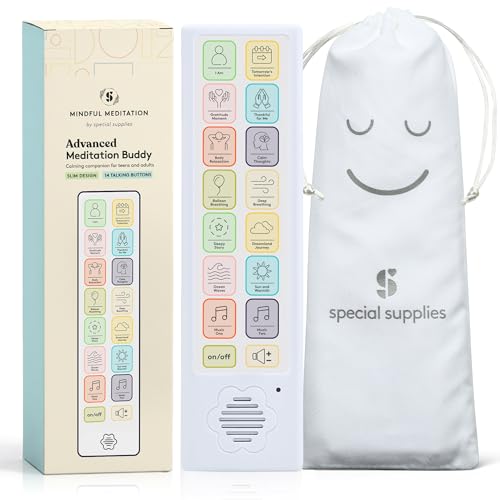
Special Supplies Meditation Buddy – Screen-Free Mindfulness & Breathing Device for Stress Relief, Daily Meditation, Anxiety Relief, Calm Focus & Emotional Balance for Kids and Adults (Adults)
Screen-Free Mindfulness Tool – Enjoy guided meditation, calm breathing, and daily mindfulness without apps, phones, or distractions. Perfect…
As an affiliate, we earn on qualifying purchases.
As an affiliate, we earn on qualifying purchases.
Frequently Asked Questions
How Does Doomscrolling Affect Mental Health Long-Term?
Doomscrolling can harm your long-term mental health by weakening emotional resilience and fostering cognitive distortions. As you constantly consume negative news, you might start to see the world as more dangerous and unpredictable, increasing anxiety and depression. Over time, this habit erodes your ability to cope effectively, making it harder to bounce back from stress. Breaking the cycle helps restore balance and strengthens your emotional well-being.
Can Doomscrolling Lead to Increased Anxiety and Depression?
Imagine you’re stuck in a scene from a 1920s silent film, overwhelmed by endless news. Doomscrolling can indeed increase your anxiety and depression, as it hijacks emotional regulation and feeds cognitive biases like catastrophizing. Constant exposure to negative content traps you in a cycle of worry. Recognizing this pattern helps you regain control, break the cycle, and protect your mental health from long-term damage.
What Role Does Social Media Architecture Play in Doomscrolling?
Social media architecture plays a significant role in doomscrolling through algorithms reinforcement, which encourages continuous scrolling by prioritizing sensational or emotionally charged content. Design implications include infinite scroll features and notifications that keep you engaged longer than intended. By understanding these tactics, you can recognize how the platform’s design manipulates your behavior, empowering you to set boundaries and reduce compulsive scrolling, ultimately protecting your mental health.
Are Some Individuals More Prone to Doomscrolling Than Others?
Some individuals are more prone to doomscrolling because personality traits like high neuroticism or low resilience influence their reactions to stress. When faced with anxiety or uncertainty, they might rely on doomscrolling as a coping mechanism, seeking control or distraction. While others resist, these traits can make you more vulnerable, showing how your personality shapes your habits and how you handle difficult emotions.
How Can Mindfulness Techniques Reduce the Urge to Doomscroll?
Mindfulness techniques like mindfulness meditation and breathing exercises help reduce your urge to doomscroll by grounding you in the present moment. When you practice mindful breathing, you become aware of your impulses without immediately acting on them, which creates a pause. This awareness gives you control over your scrolling habits, allowing you to choose healthier activities. Regular practice can strengthen your ability to resist the compulsion to keep scrolling through distressing news.

Screen Time Is Not Forever Board Book (Best Behavior®)
As an affiliate, we earn on qualifying purchases.
As an affiliate, we earn on qualifying purchases.
Conclusion
Think of doomscrolling as a whirlpool pulling you deeper into negativity. To escape, remember you’re the captain of your ship. Set your anchor by taking mindful breaks, limiting your screen time, and shifting your focus to positive activities. Every time you resist the pull, you steer your ship toward calmer waters. Reclaim your mental space and navigate away from the storm—your well-being depends on steering clear of that relentless whirlpool.

Topcee Weighted Blanket (20lbs 60"x80" Queen Size) for Adult All-Season Summer Fall Winter Cooling Breathable Heavy Microfiber Material with Glass Beads Big Blanket Soft Thick Comfort
【ABOUT SIZE】-Weighted Blanket is much smaller than ordinary blanket, because it is supposed to concentrate the weight on…
As an affiliate, we earn on qualifying purchases.
As an affiliate, we earn on qualifying purchases.

Gratitude Puzzle Book and Journal: 365+ Puzzles and Activities for a Grateful Heart and Mind (Journaling & Reflection, Puzzles, Word Searches & More); Spiral Bound / Lay Flat Design (Part of the Brain Busters Puzzle Collection)
As an affiliate, we earn on qualifying purchases.
As an affiliate, we earn on qualifying purchases.